








EN I FR
Todtnauberg
or the eternal return
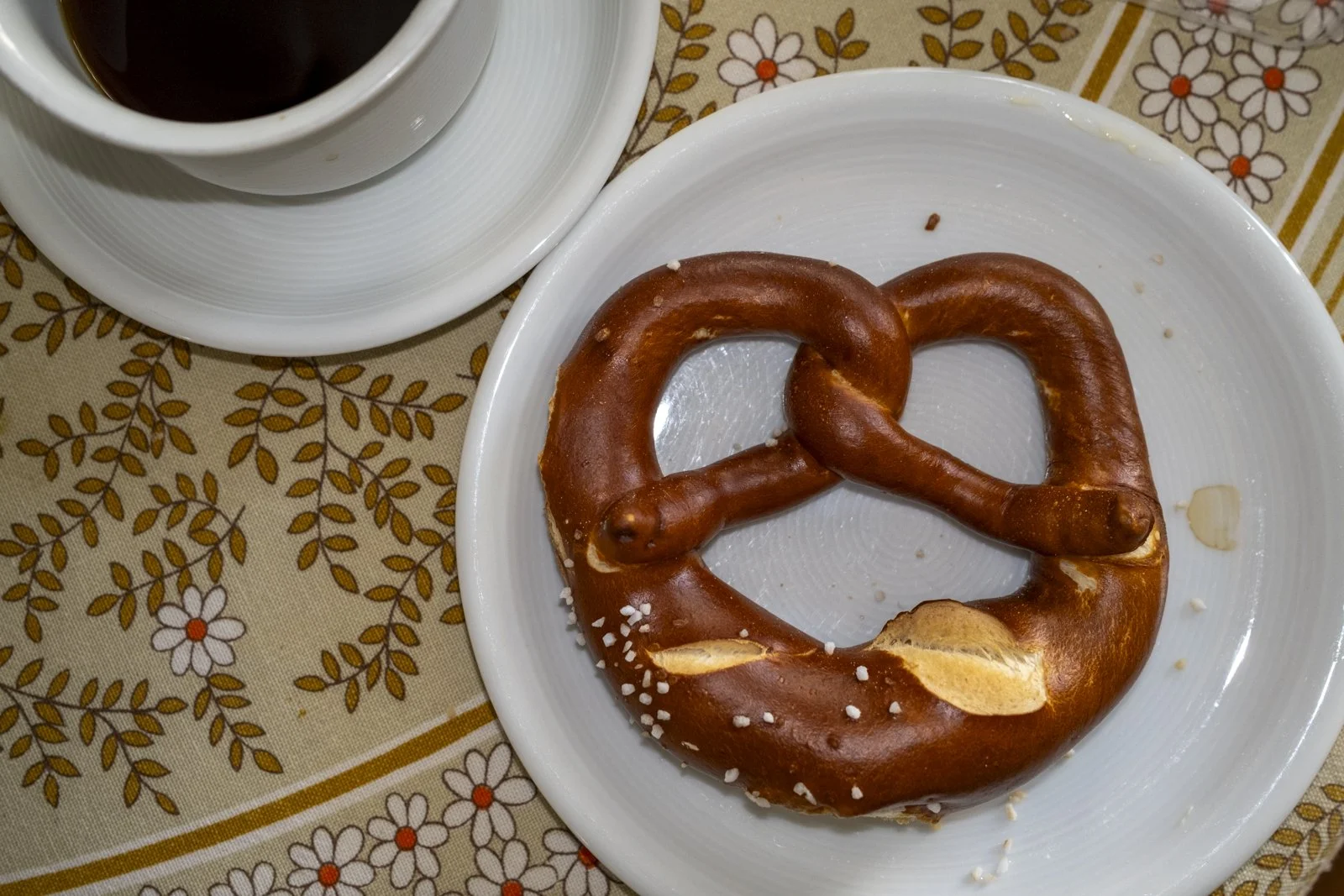
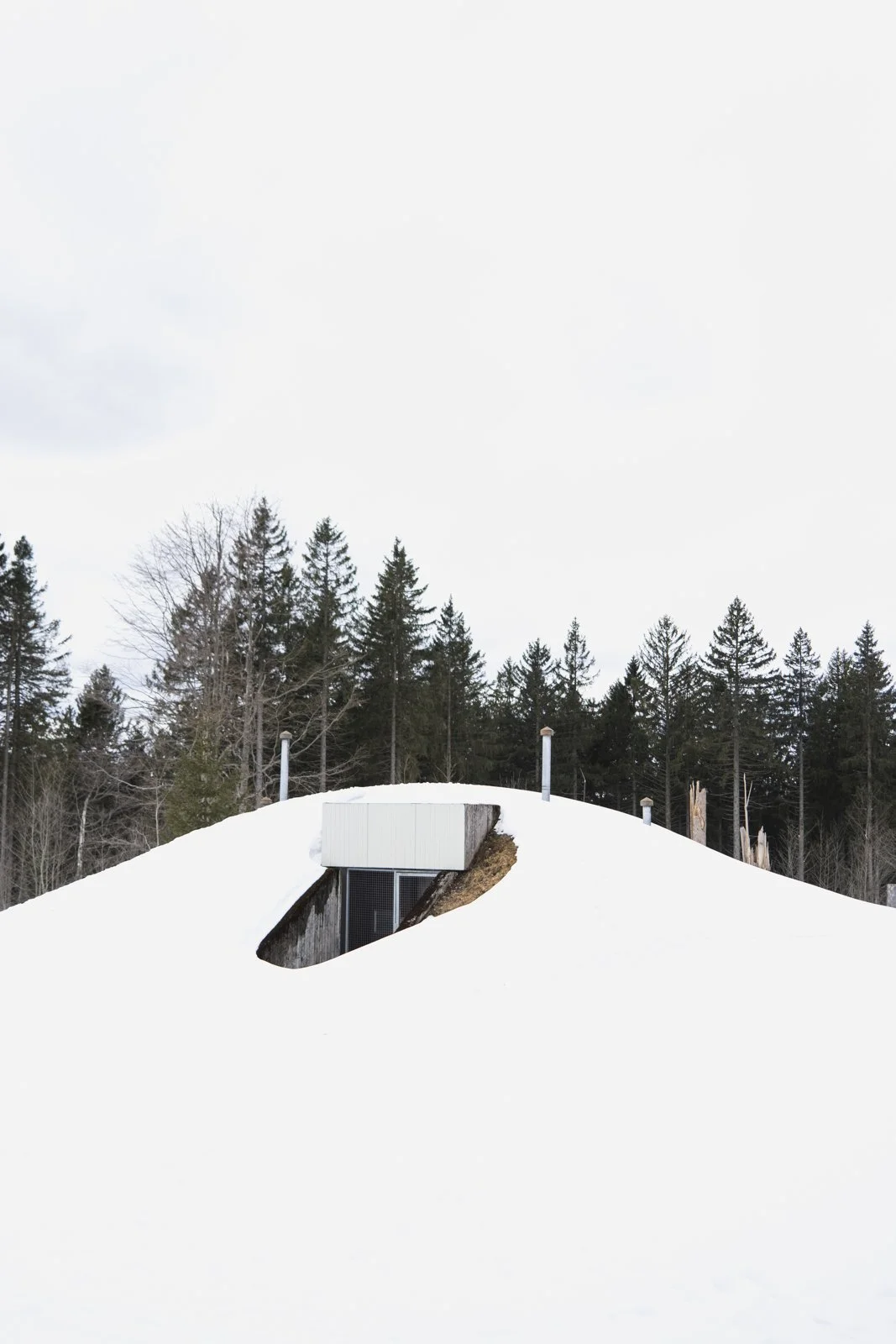
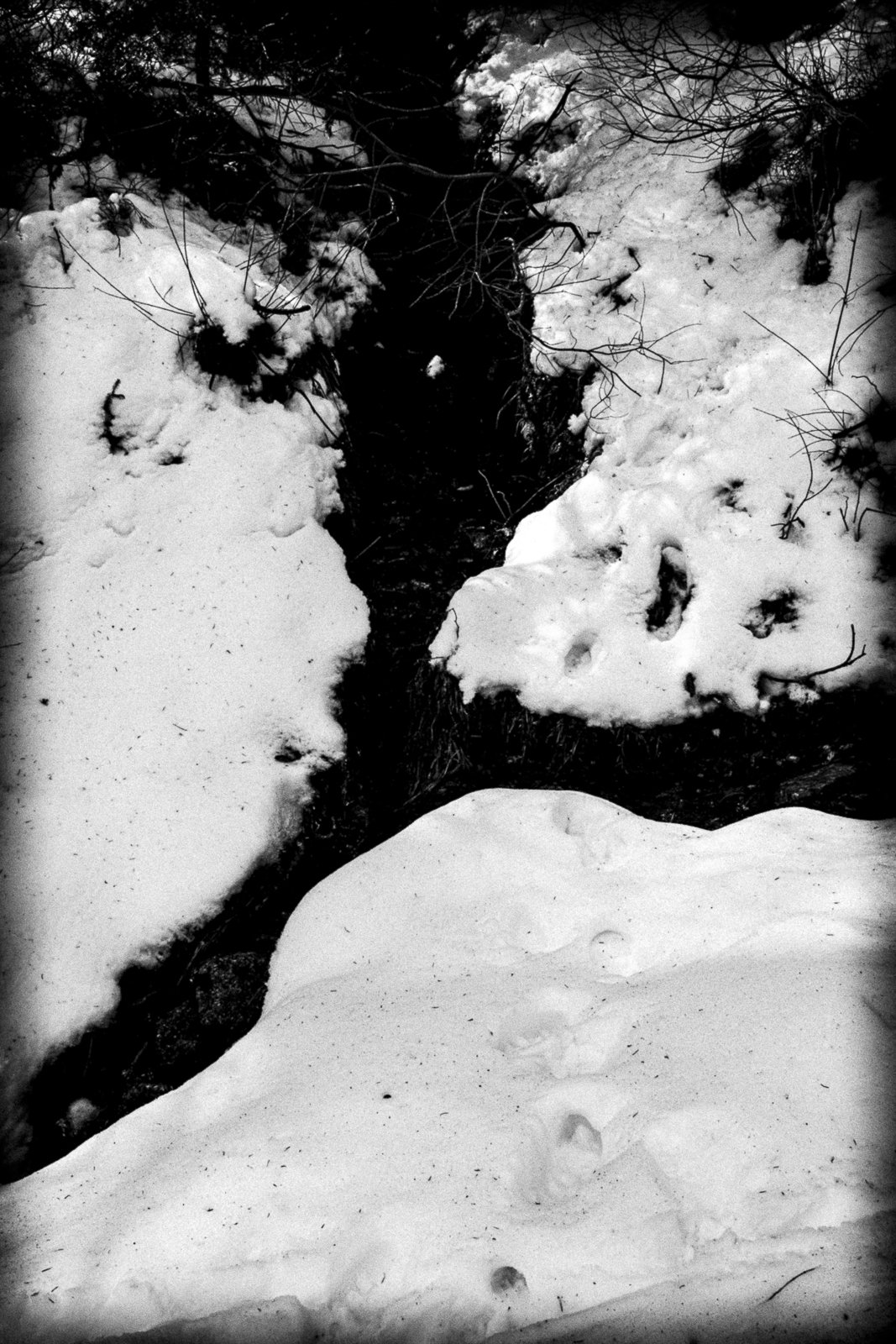
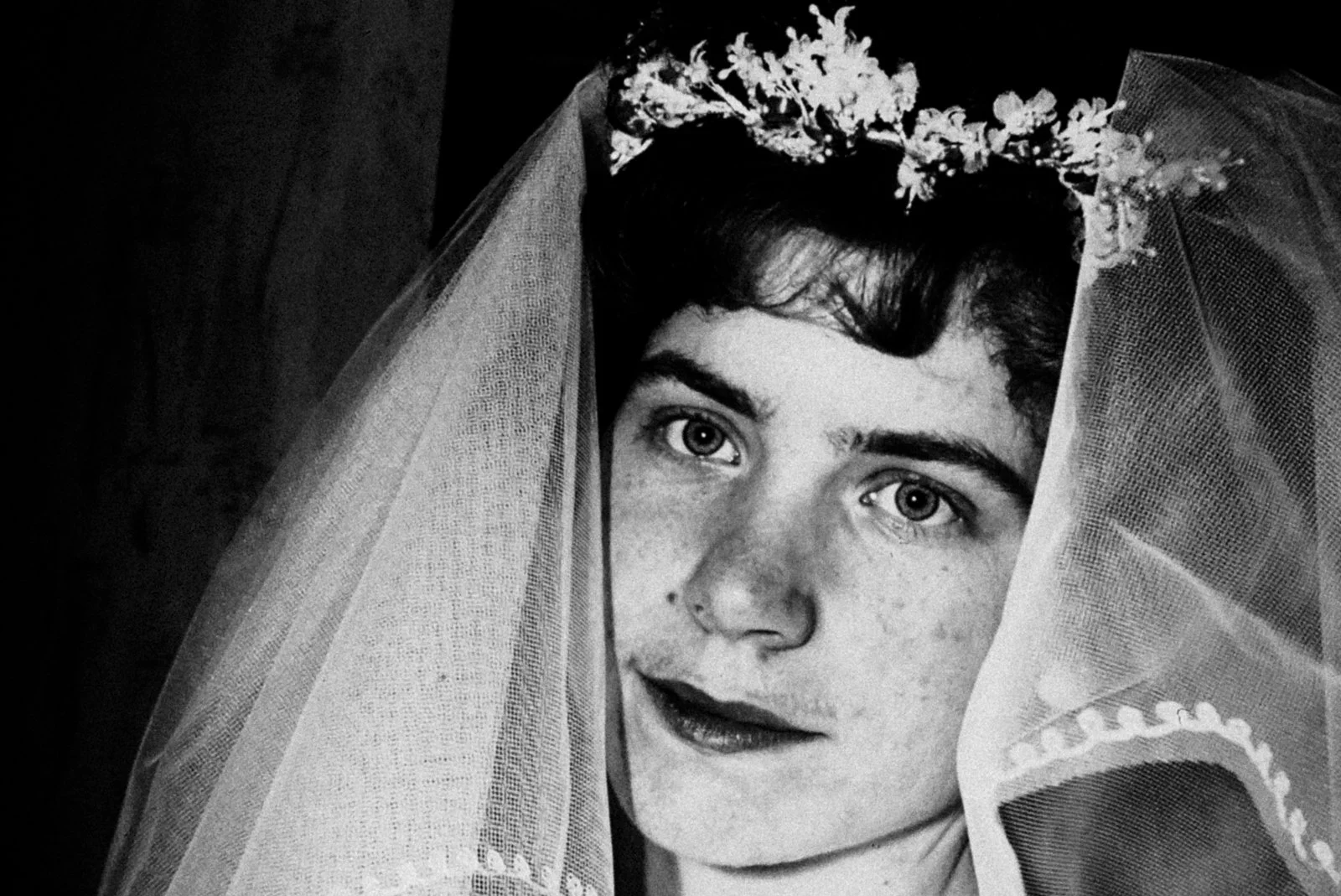
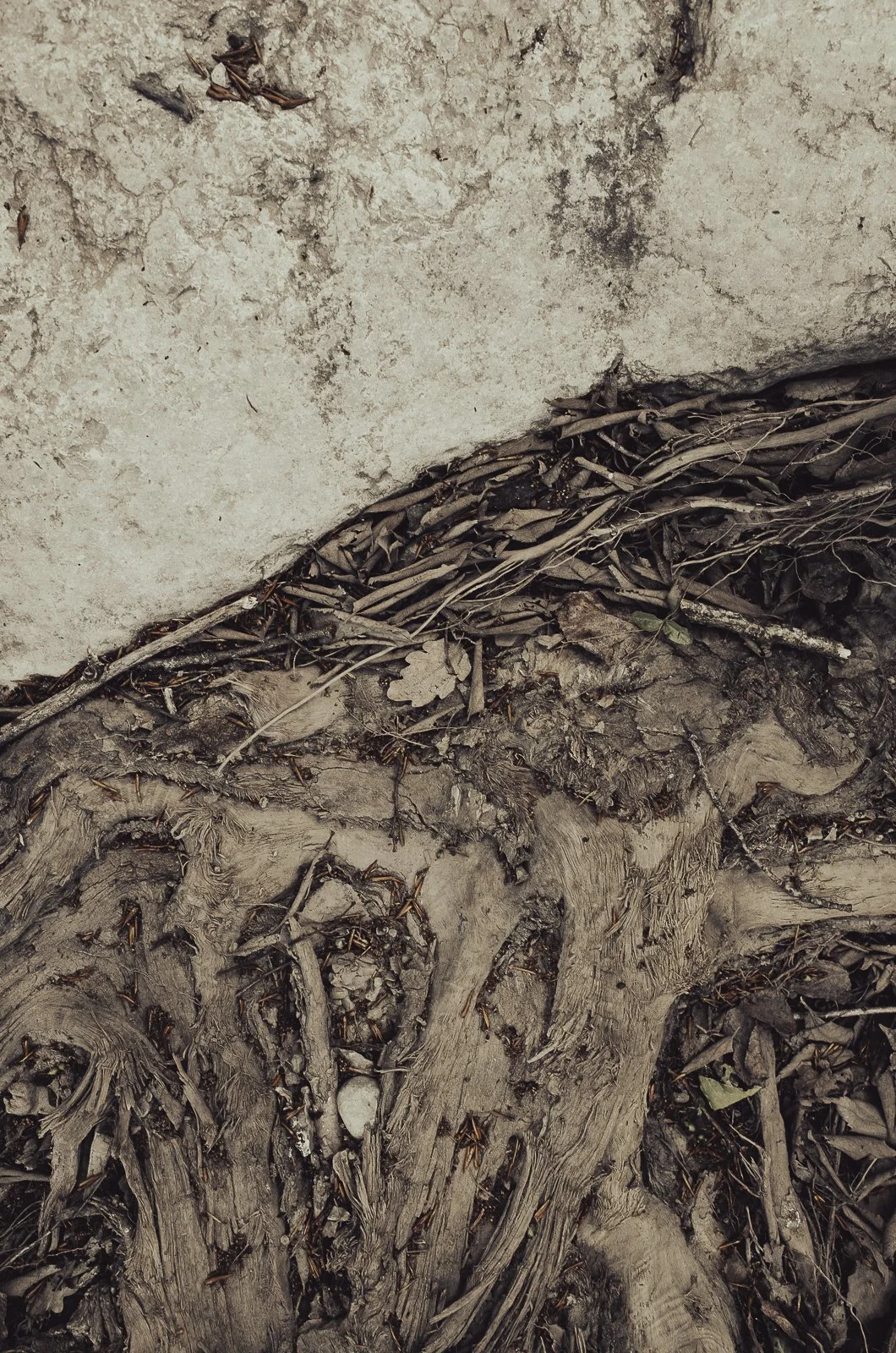
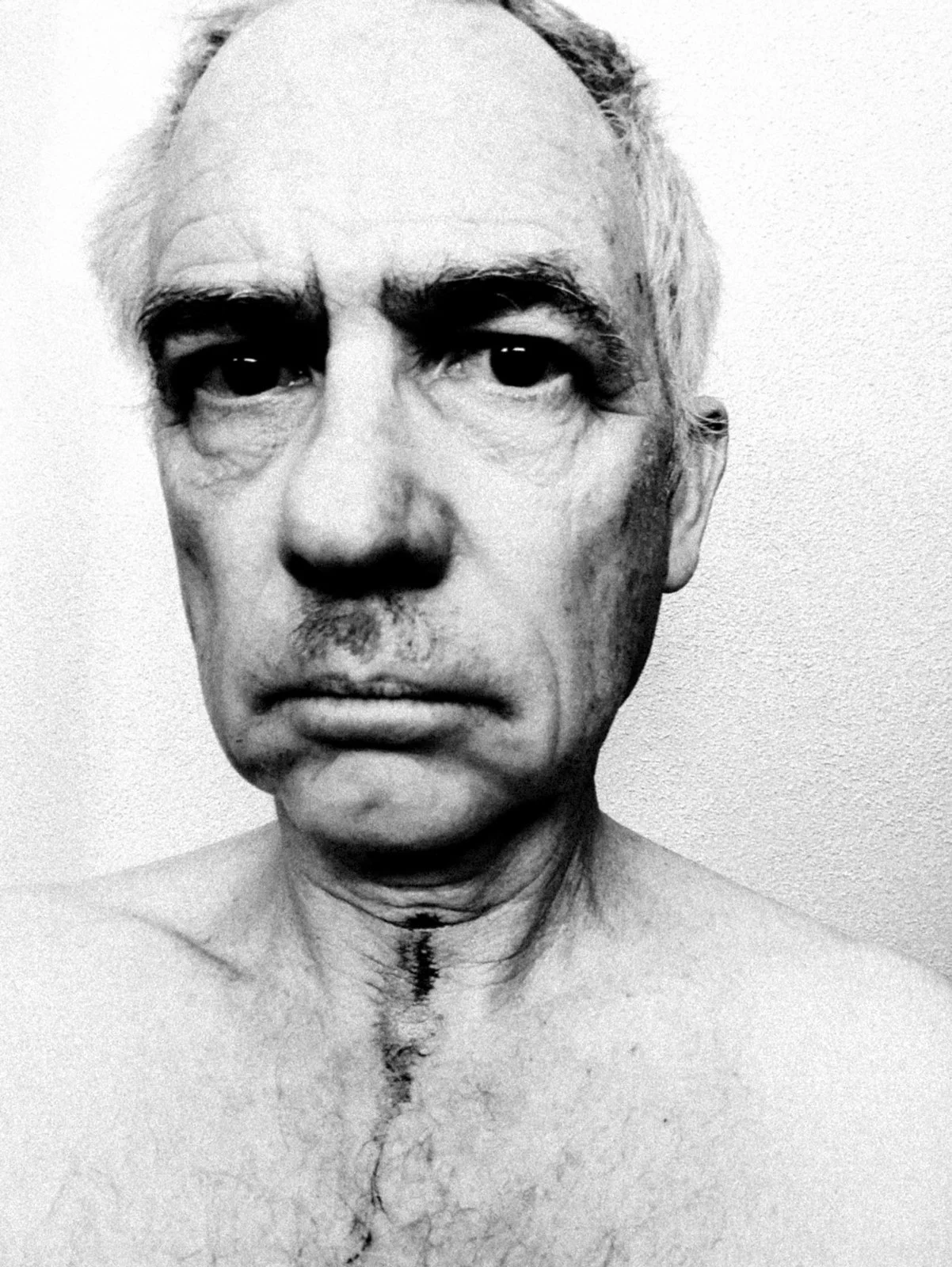
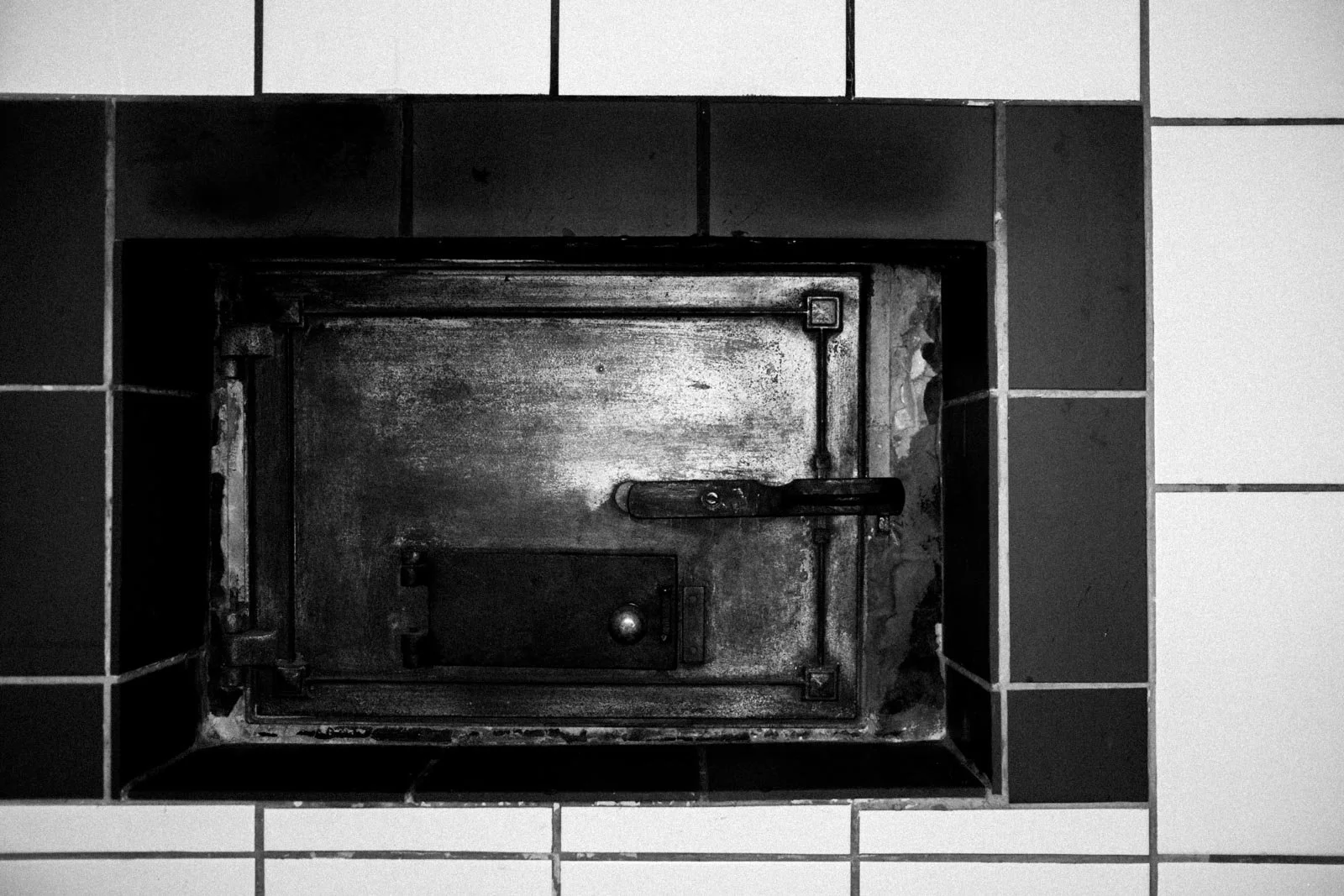
Todtnauberg examines the persistence of twentieth-century ideological legacies in our landscapes and everyday lives, at a time when authoritarian regimes are re-emerging in renewed yet familiar forms.
This series is meant to be read as a sequence.
Click on an image to view the full series.
I grew up not far from Todtnauberg. Heidegger had his hut there, in the Black Forest. We breathed the same air.
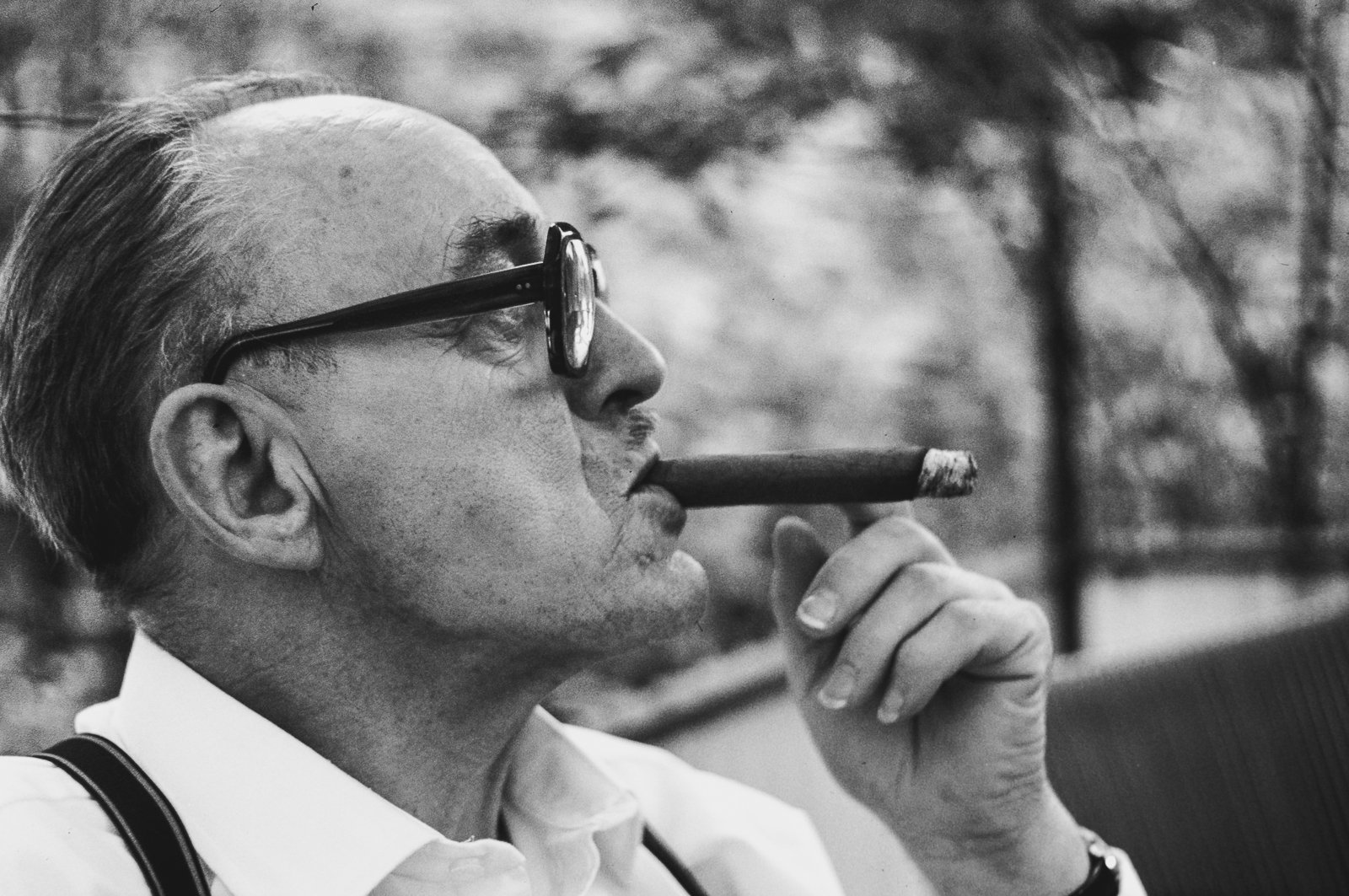
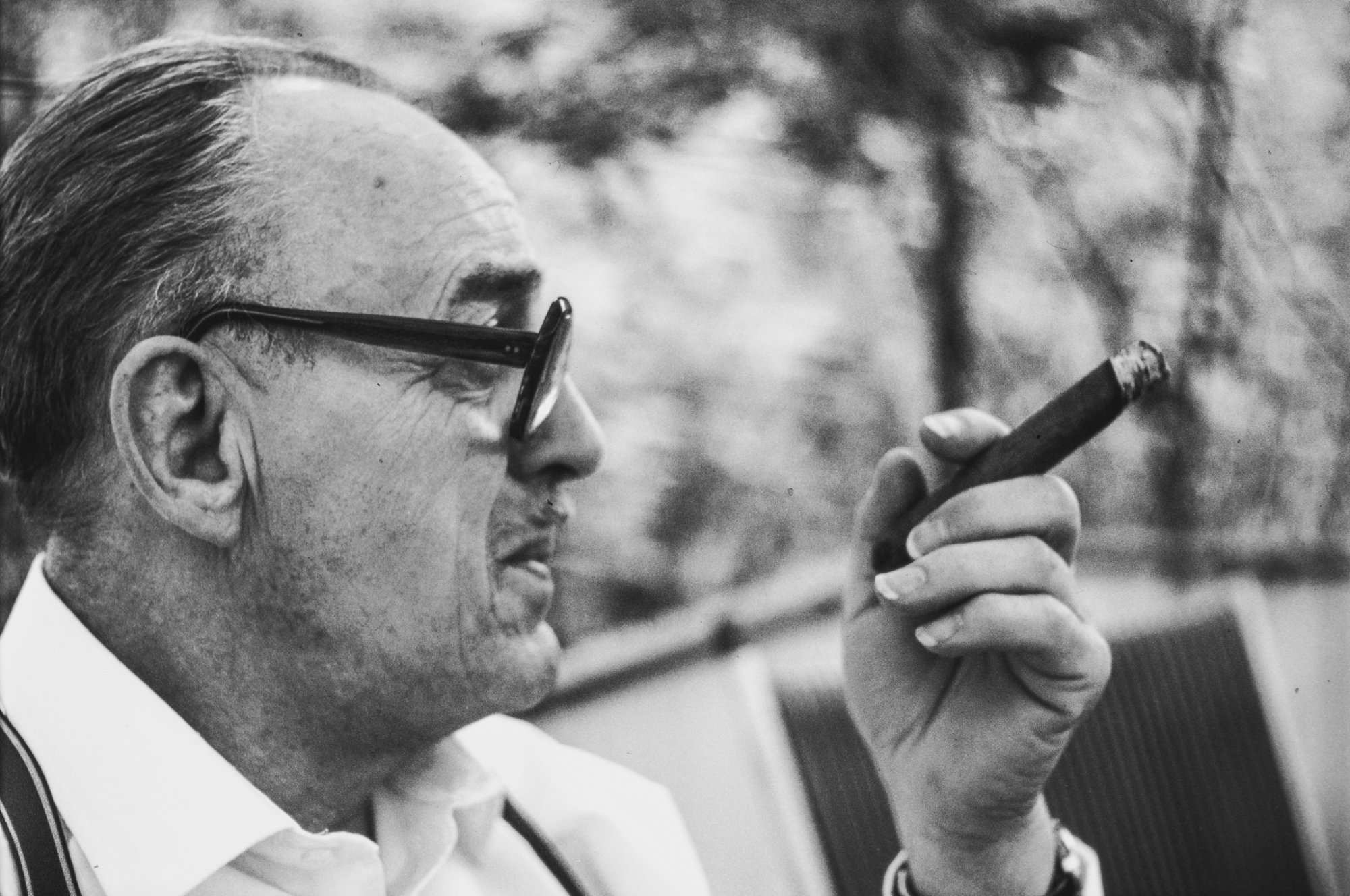
My grandfather was a Nazi. I have three portraits of him, smoking a cigar. He is the Meister aus Deutschland — the master from Germany — the figure Paul Celan conjured in Todesfuge: the one who plays with serpents, who commands, who gives orders with precision and grace. He is ordinary. He is familiar. He is mine.
Todtnauberg is a series built from that inheritance — from growing up in landscapes that were beautiful and complicit, from belonging to a lineage that I cannot choose and cannot erase.
—
In 1967, Paul Celan visited Heidegger at Todtnauberg. The poet — survivor, witness, author of Todesfuge — came hoping for a word of acknowledgment, perhaps atonement. He left with nothing but a line in a guestbook. That silence is one of the open wounds of the 20th century. The philosopher who had thought being more deeply than almost anyone, could not think his way to a single honest sentence.
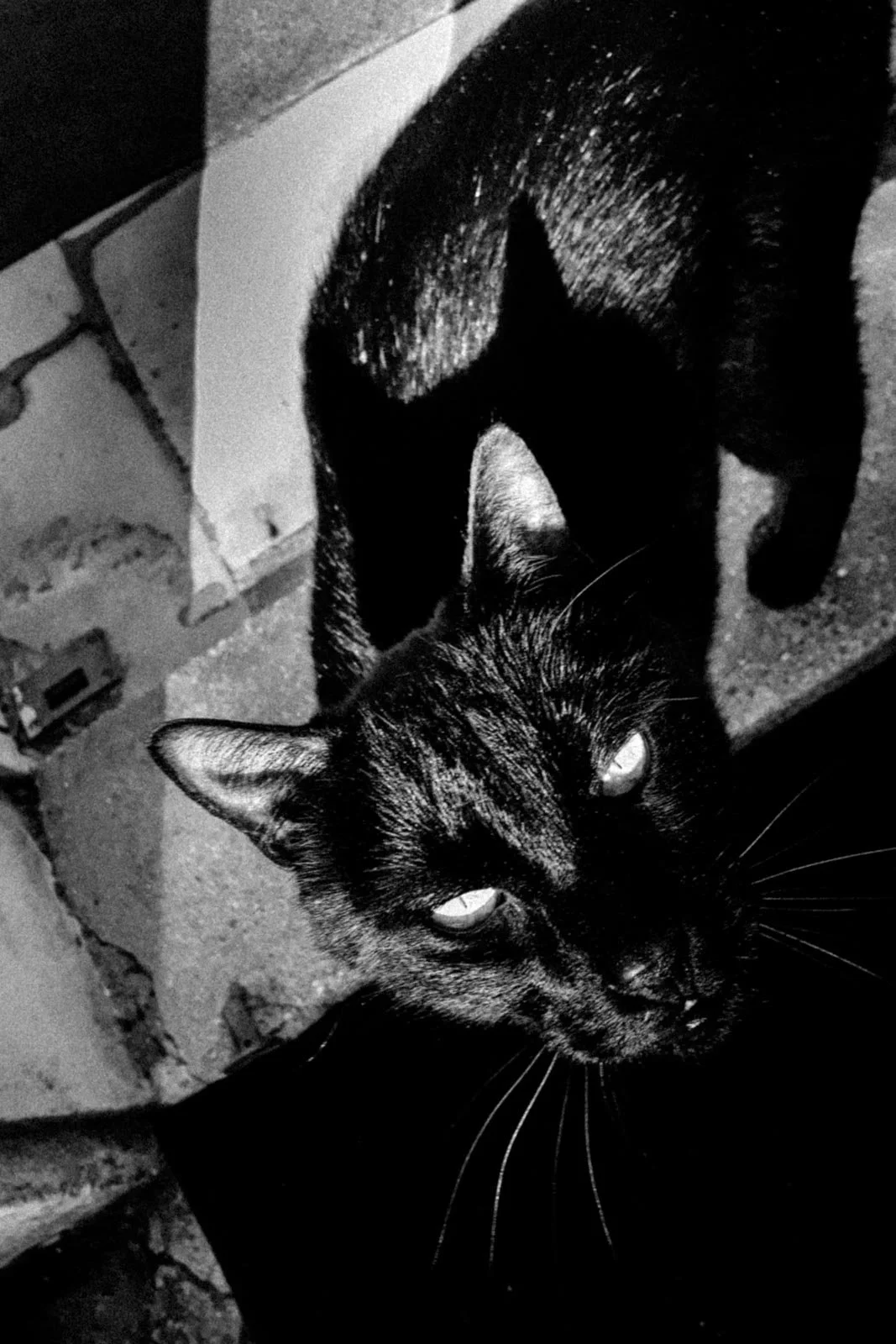
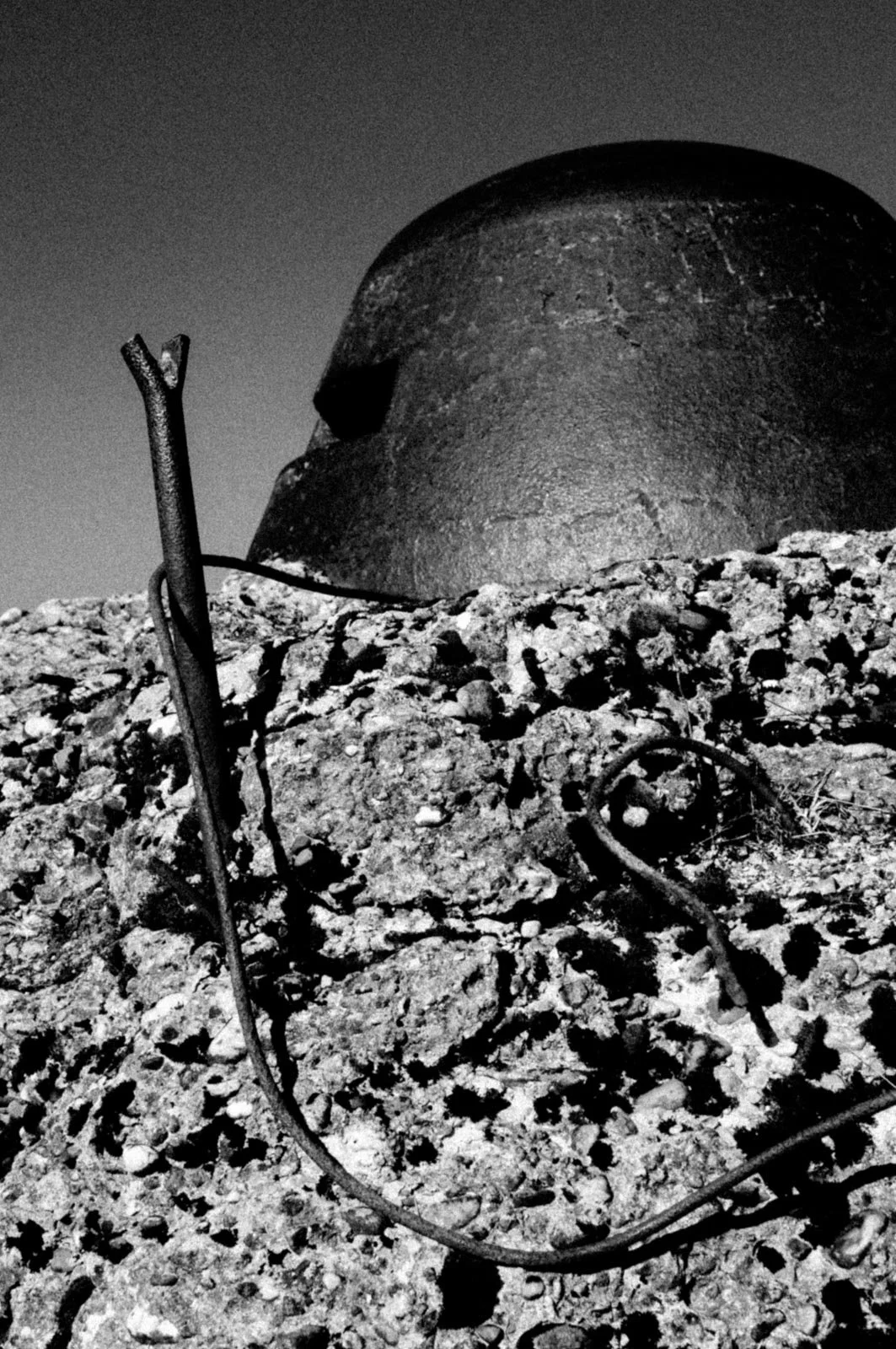
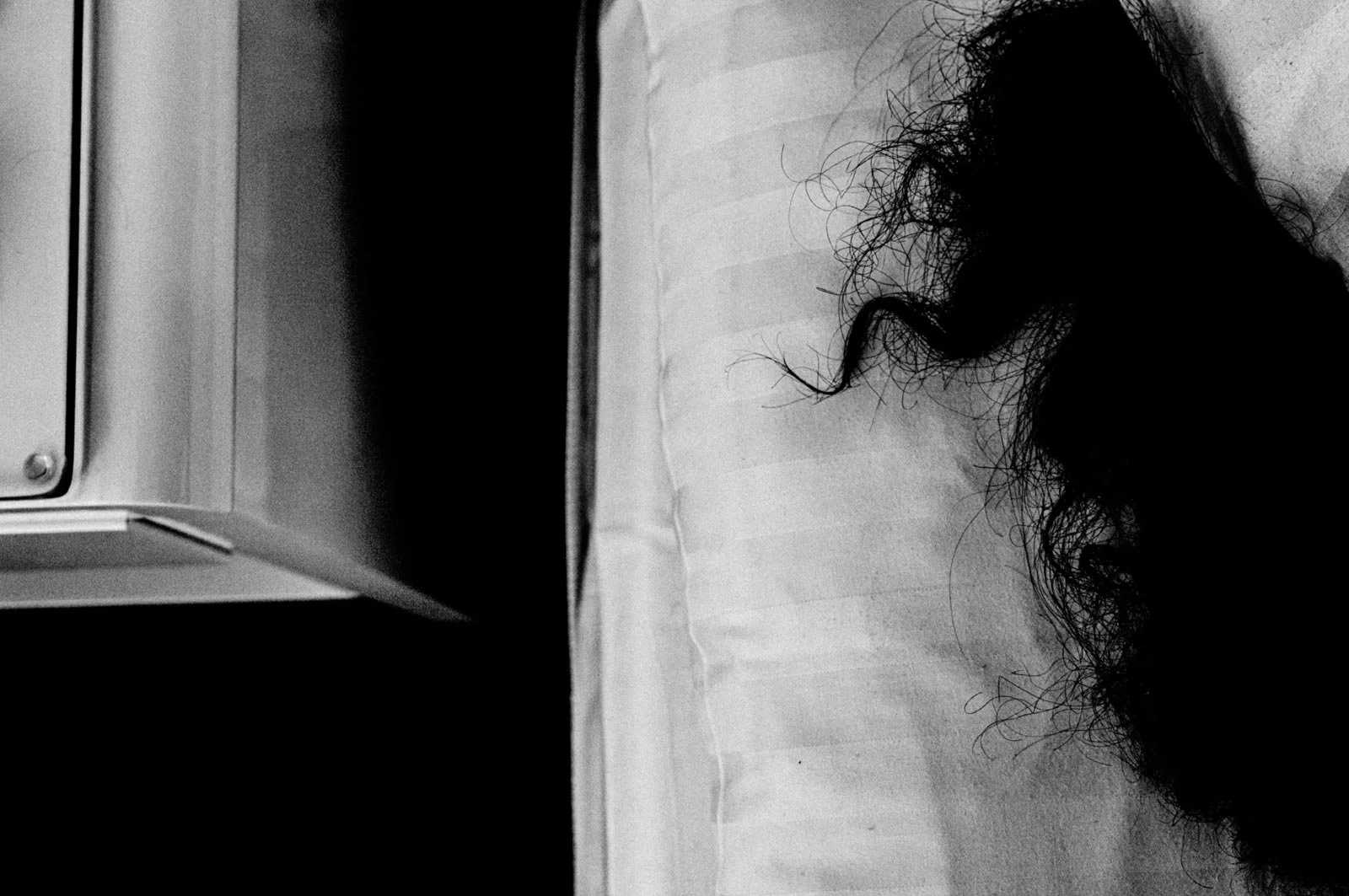
The series moves across places where that wound has left its mark. In the Black Forest around Todtnauberg, landscapes of fog and silence — the beauty that harbored complicity. In Amsterdam, a single image: a lock of my daughter's black hair, taken after visiting the Anne Frank House.
Celan wrote: dein goldenes Haar Margarete, dein aschenes Haar Sulamith. Golden hair for the Aryan myth. Ashen hair for the woman reduced to smoke. My daughter has black hair. She is the granddaughter of the Meister, and she carries Sulamith's hair. The poem's racial partition has collapsed into a single child, alive, standing in the house where another child did not survive. This is what inheritance looks like when history folds back on itself.
In Athens, sheep heads: the ancient, wordless fact of sacrifice. Before ideology, before the camps, before philosophy — the slaughter that precedes all the others.
—
Todtnauberg is not a series about the past. It is a series about the eternal return of authoritarian regimes — the way they rise from the same soil, speak the same language of order and purity, find their Meister in every generation. My grandfather's portrait is not a relic. It is a mirror held up to the present.
Between the old man with the cigar and the child with black hair, I stand. I cannot undo what was done. I can only look — at the landscapes, at the faces, at the hair — and refuse to look away.


Published in The Eye of Photography 2025 , Les Cahiers du Tanargue 2025