Resonances
An exploration of geological and memorial sedimentations
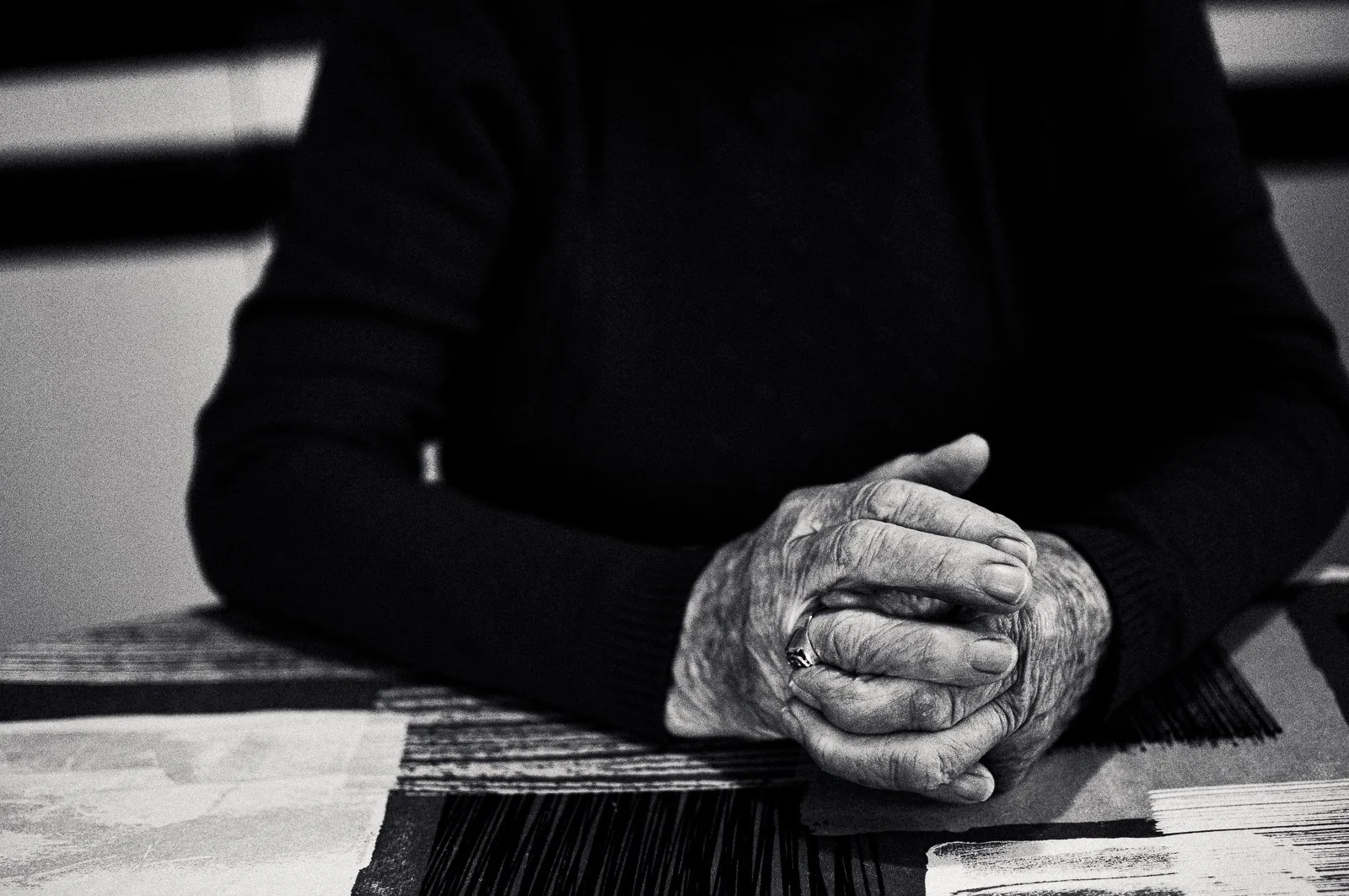
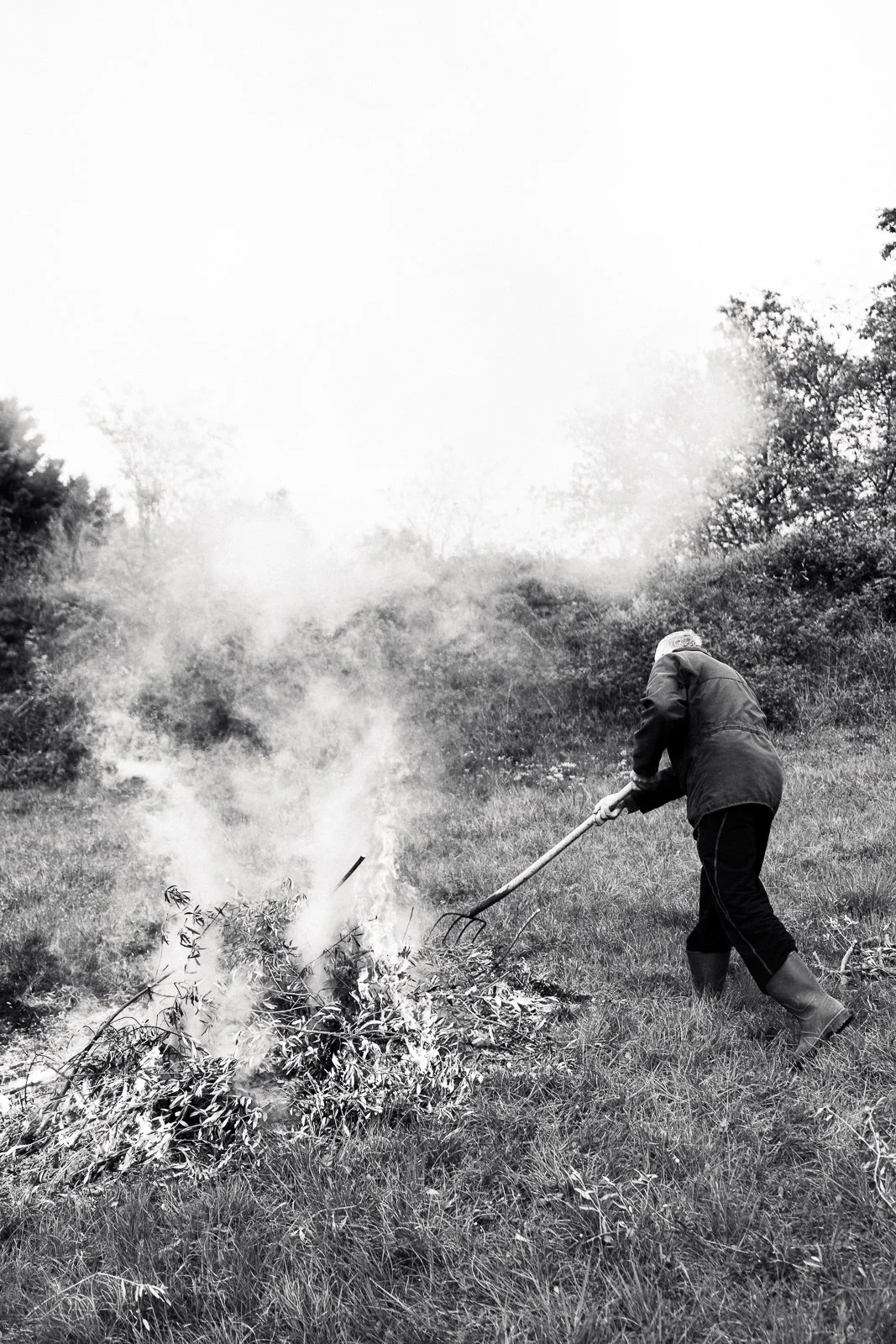
My father-in-law worked this land for sixty years. Not as a farmer by vocation — as a man for whom the earth was simply what you maintained, what you returned to each evening, what you passed on without ceremony. He is gone now. The terraces he built by hand are still here, the chestnut trees he pruned, the stone walls that hold the hillside in place.
I came to Ardèche from outside. German by birth, formed elsewhere, I arrived on these lands through marriage — which is to say, through love, which is to say, without any right to them except the one that was given. I did not inherit this territory. I was received into it.
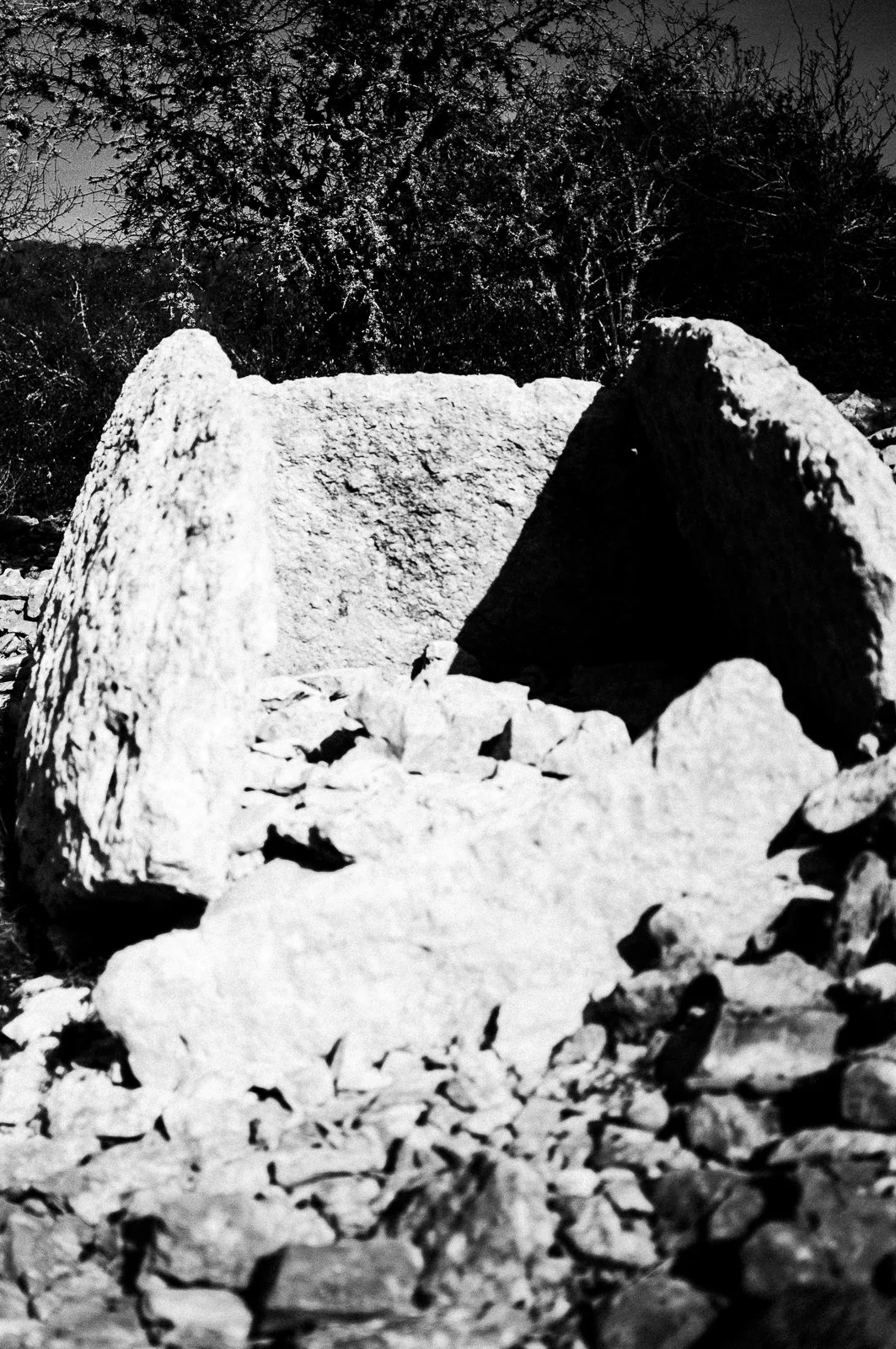
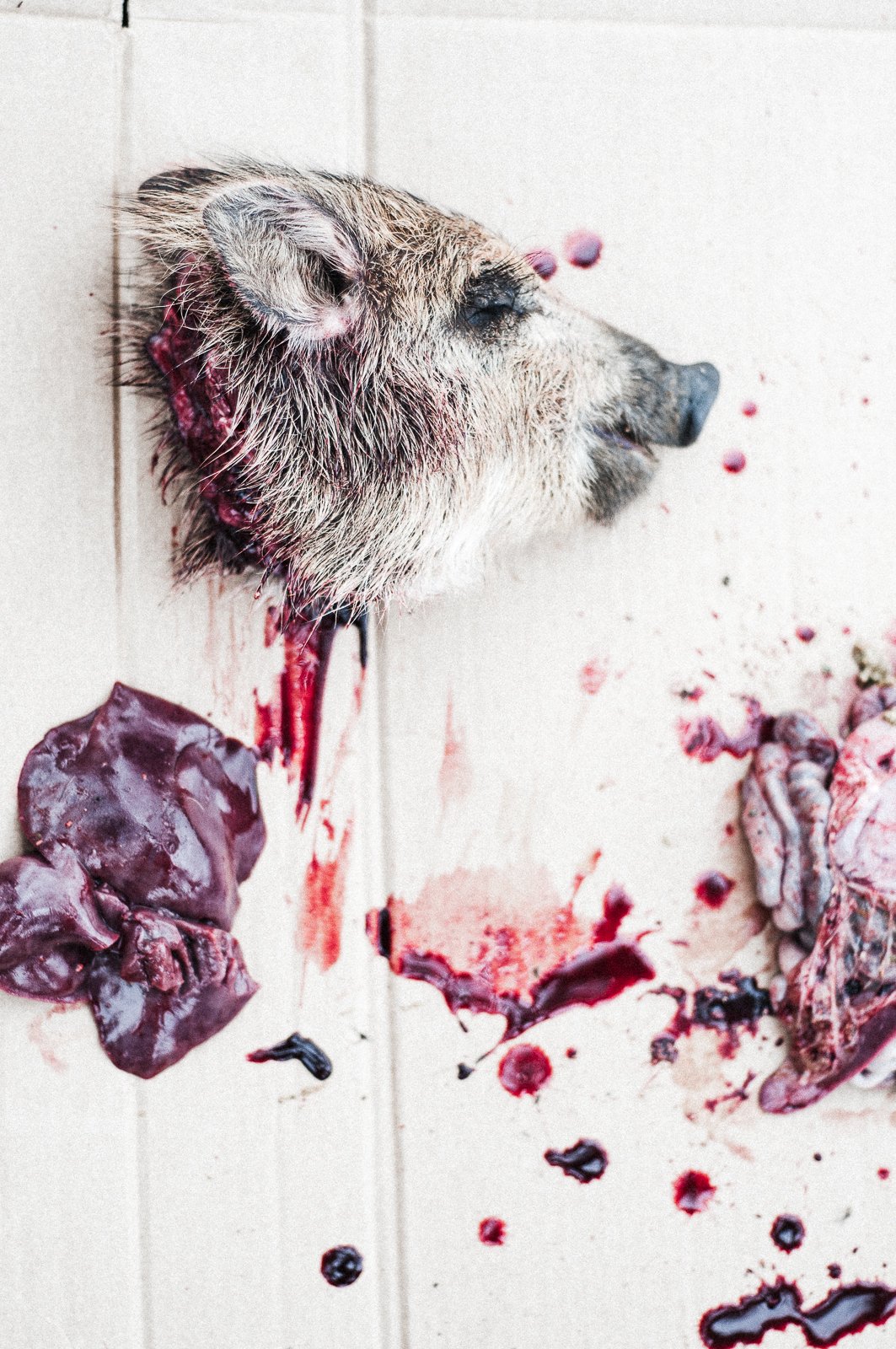
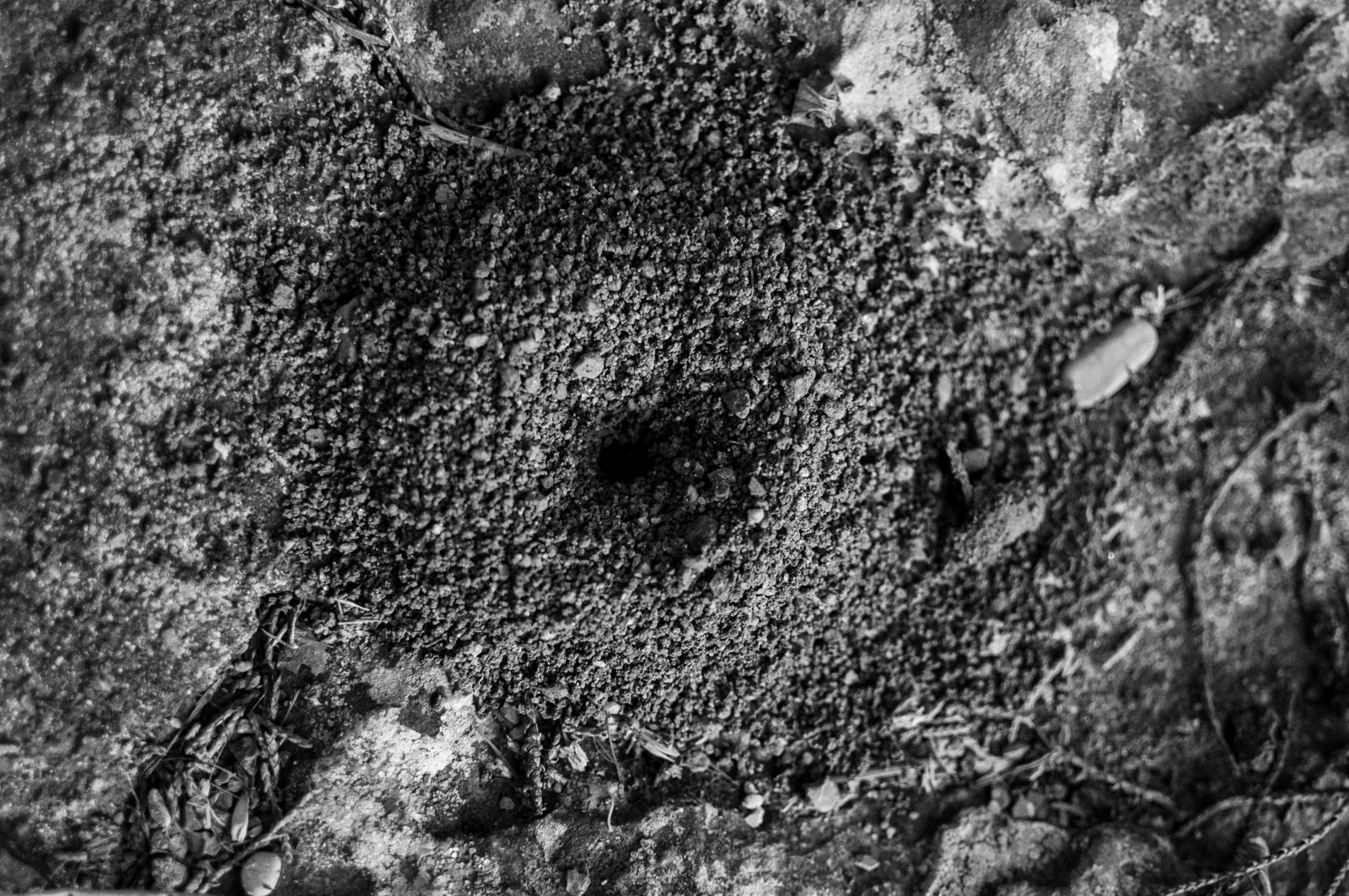
Resonances began there: in the slow recognition that a landscape is never only what it looks like. It carries the gestures of those who worked it, the silences of those who left, the weight of what was never written down. The Ardèche is a region that lost half its population in a century — exodus, abandonment, the slow extinction of a way of inhabiting the world. What remains is not ruin. It is something more stubborn: the persistence of form. The terraces hold. The walls hold. The paths hold, even when no one walks them.
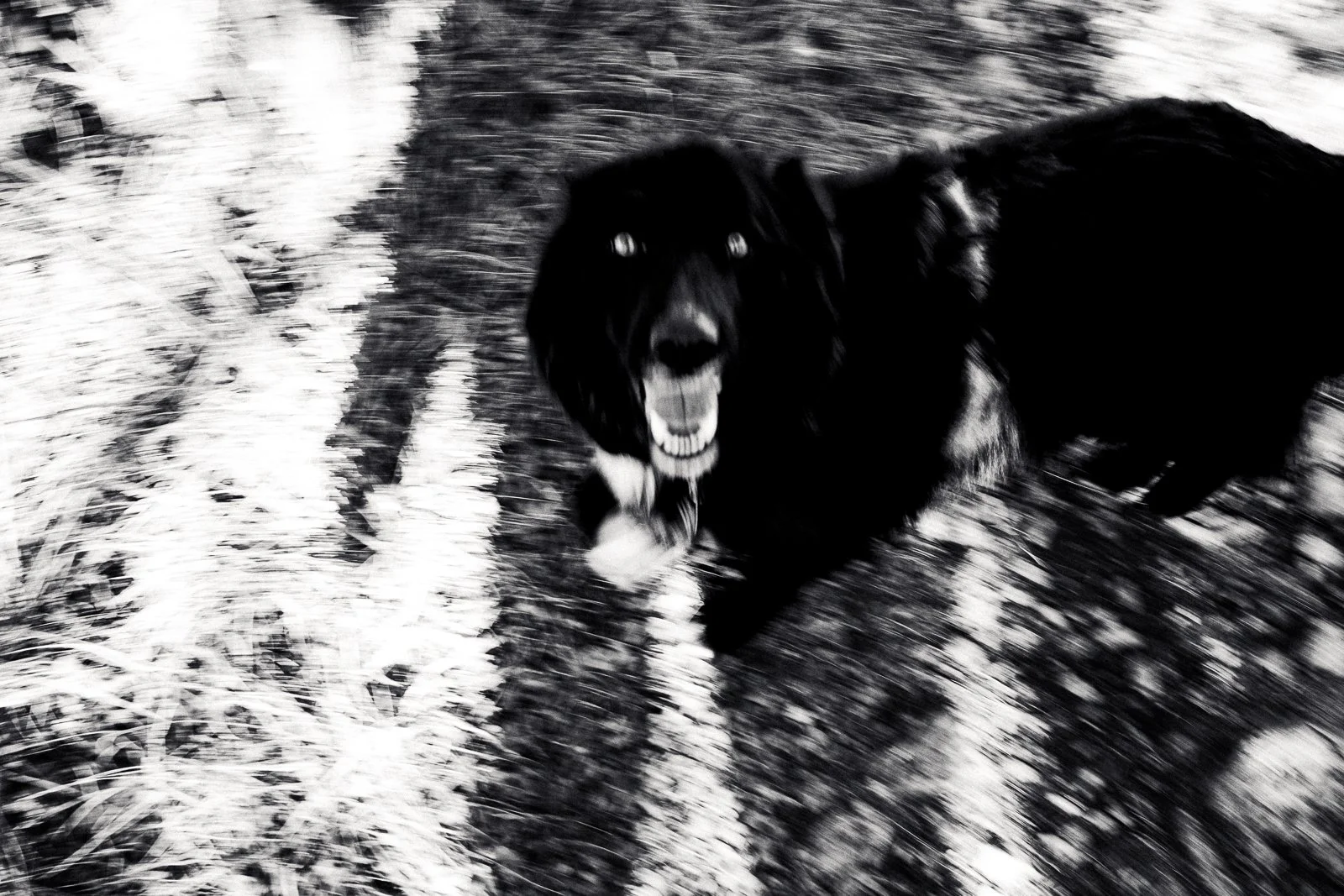
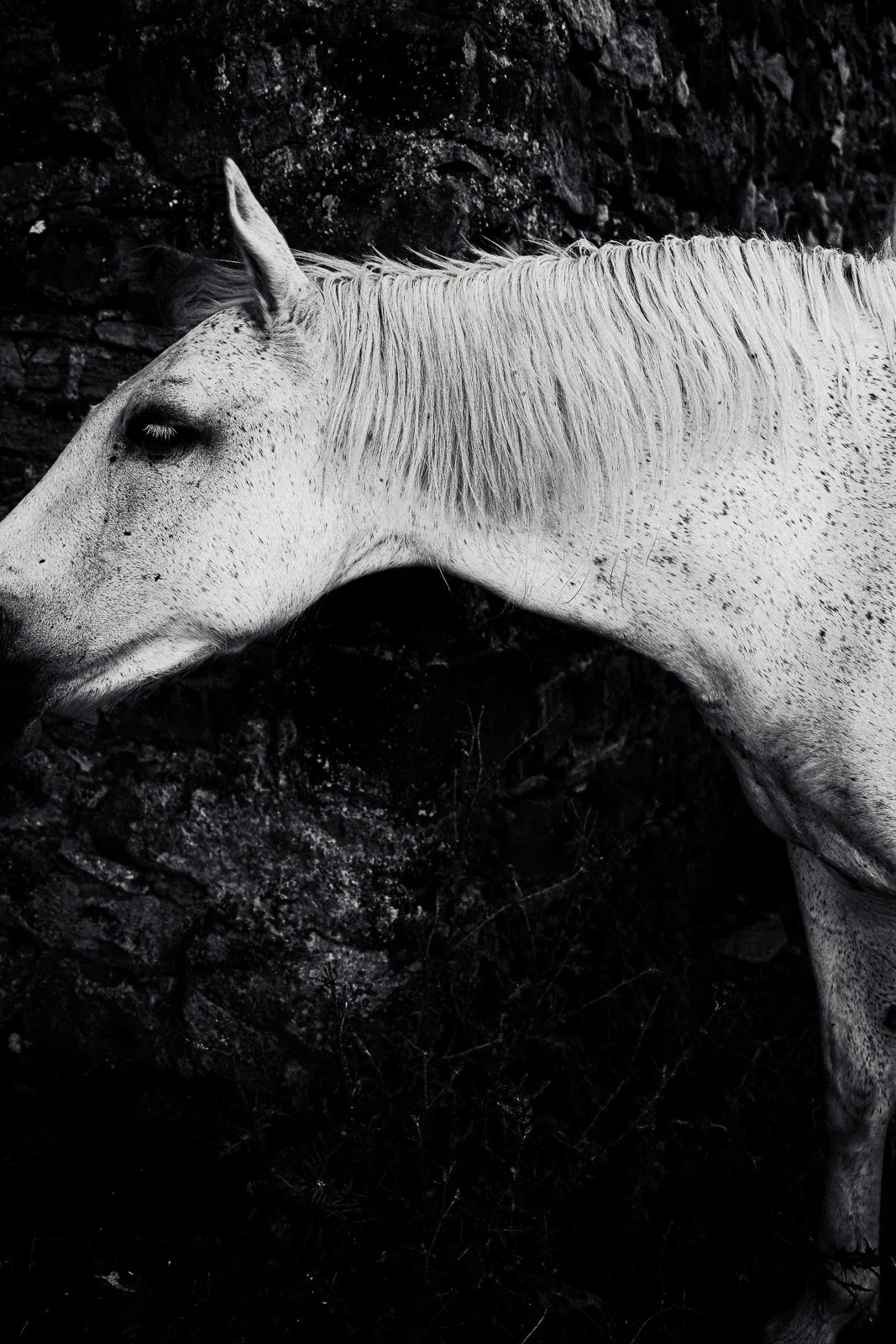
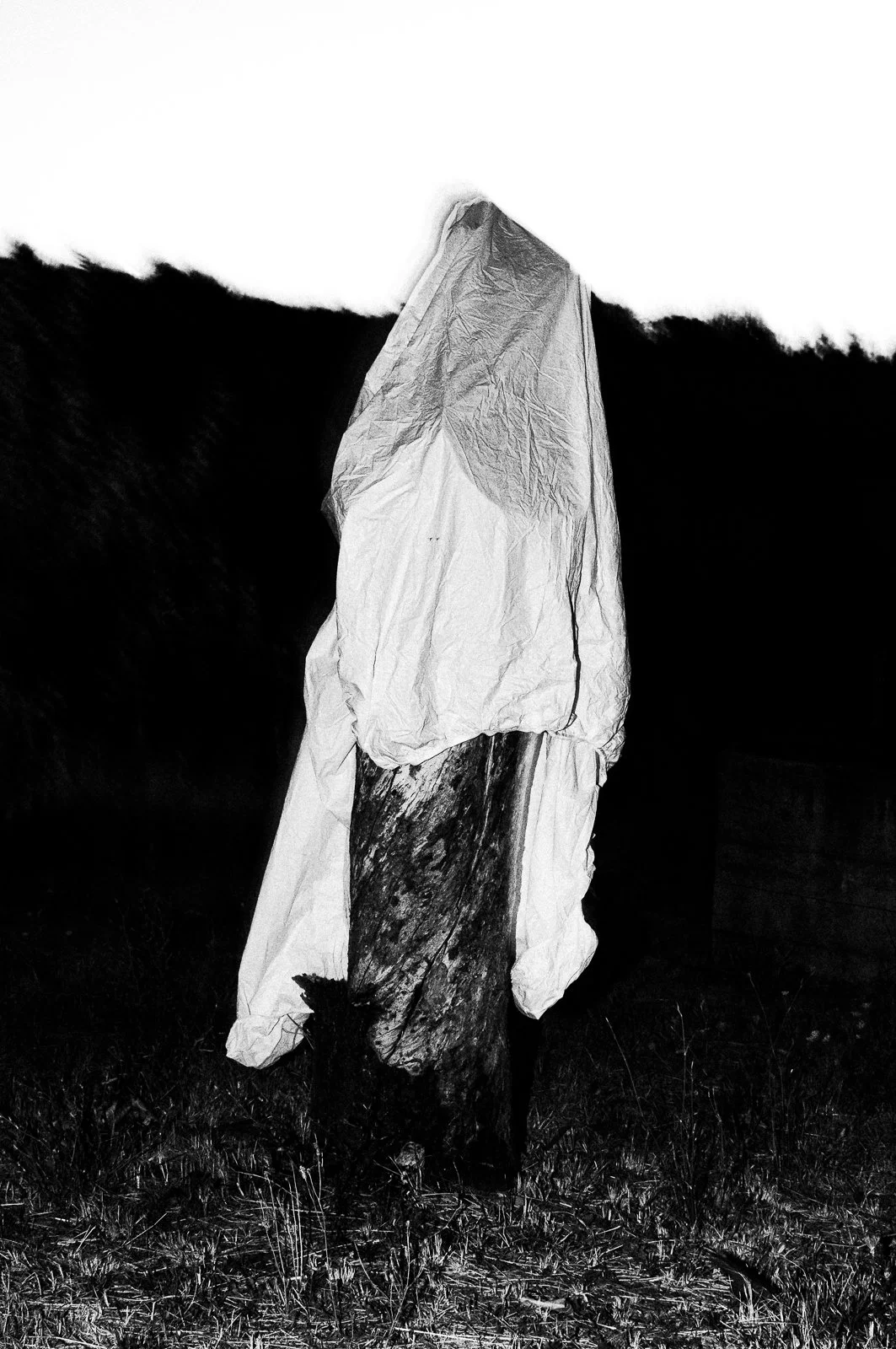
But the territory does not only hold human time. Beneath the terraces, the basalt. Beneath the basalt, geological strata that precede any human presence by hundreds of millions of years. Above the abandoned walls, the chestnut trees continue their own logic, indifferent to ownership. Animals move through spaces that were once fields, now returned to something older. The mineral, the vegetal, the animal — they do not illustrate the human story. They predate it, outlast it, and ultimately absorb it. What I photograph is this superposition: layers of time deposited one upon another, each persisting on its own frequency, each indifferent to the others — and yet, somehow, answering.
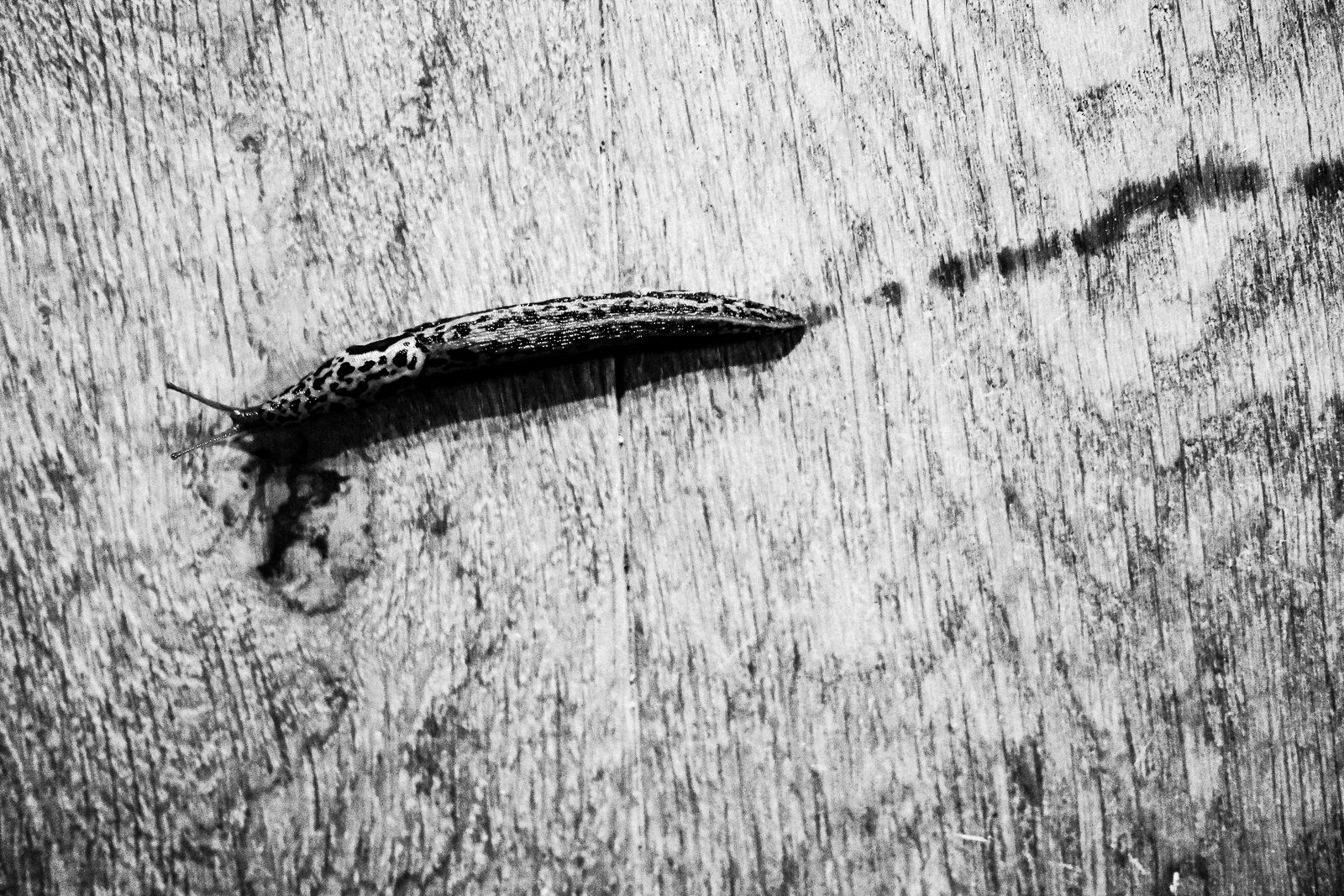
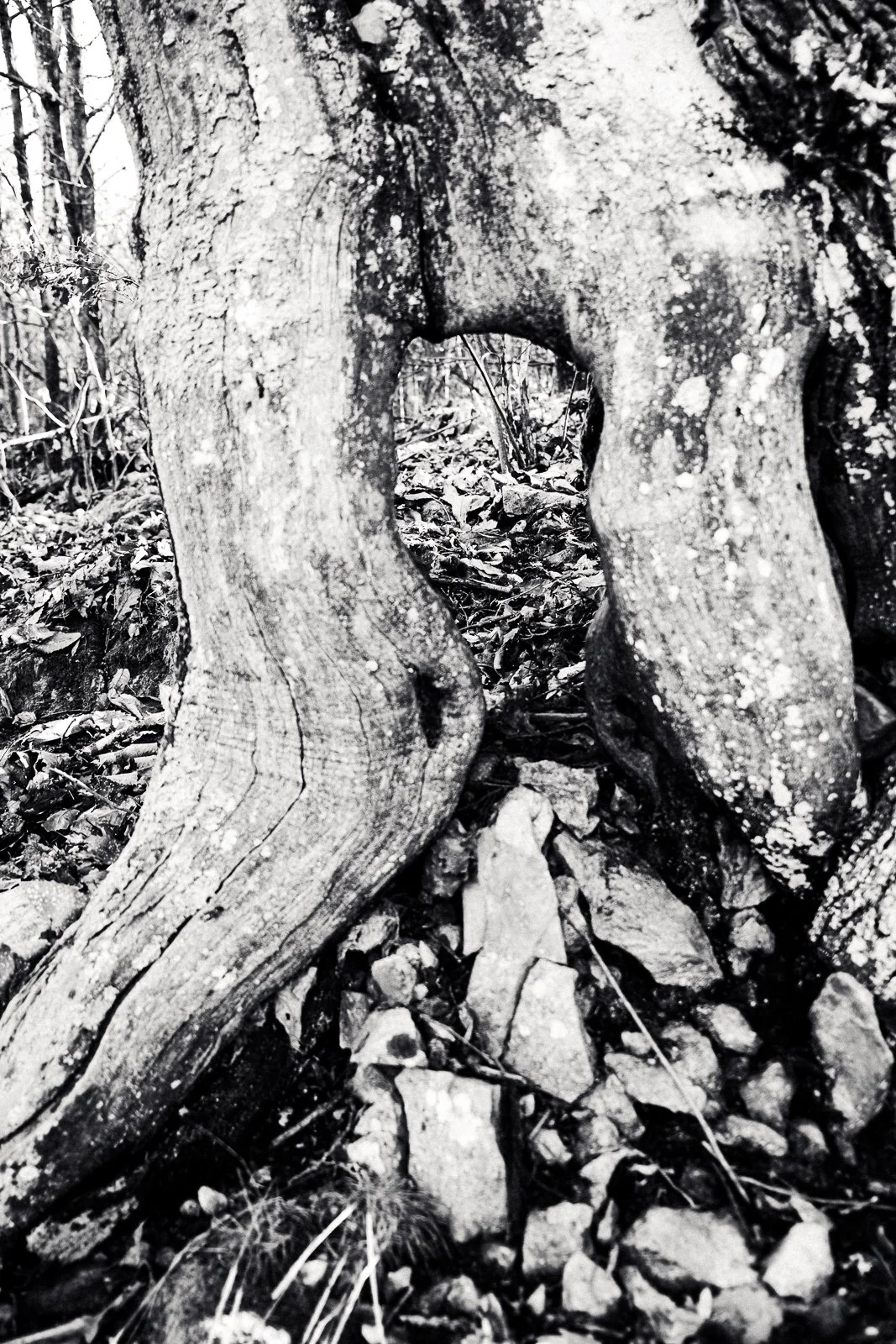
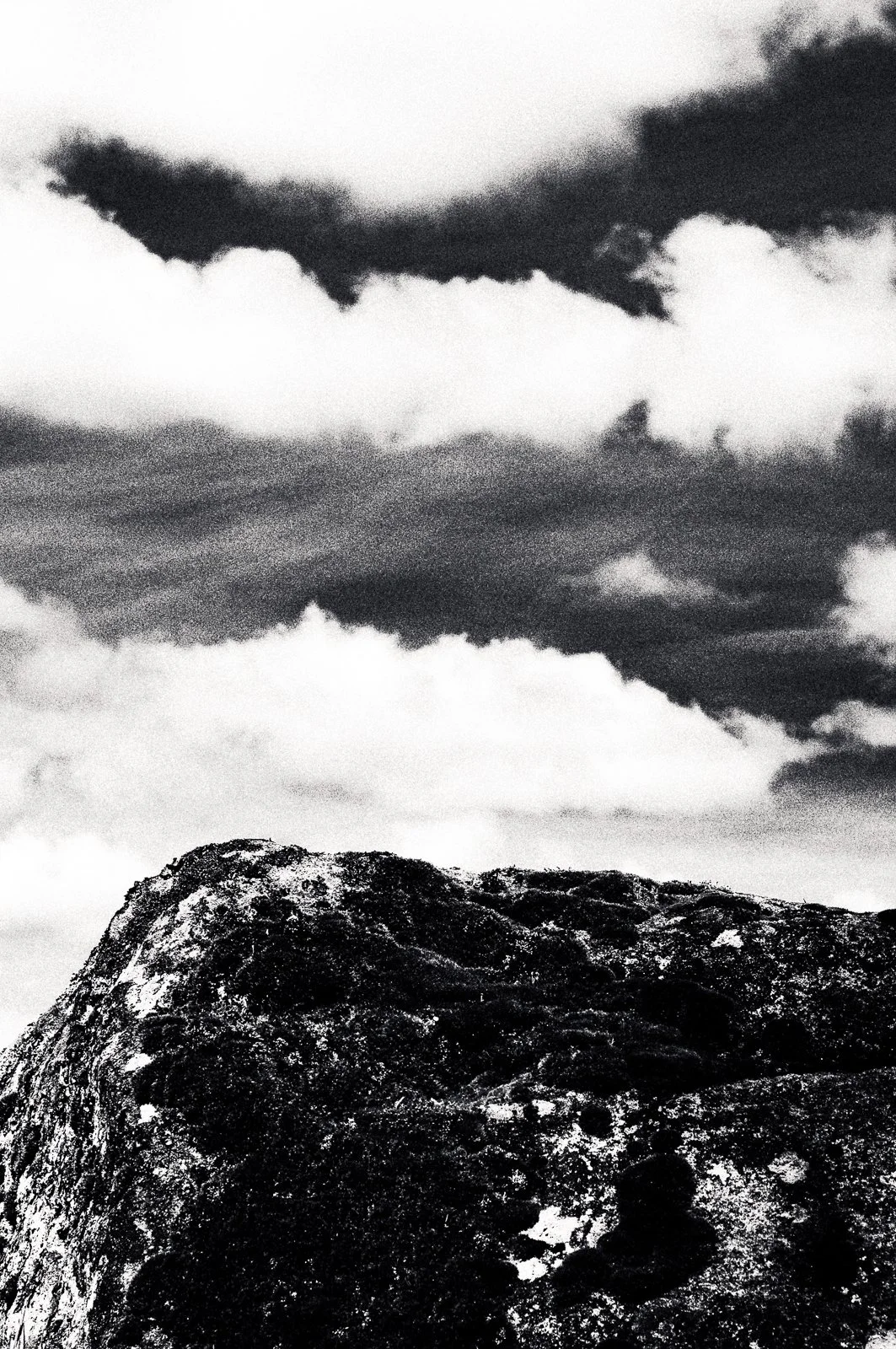
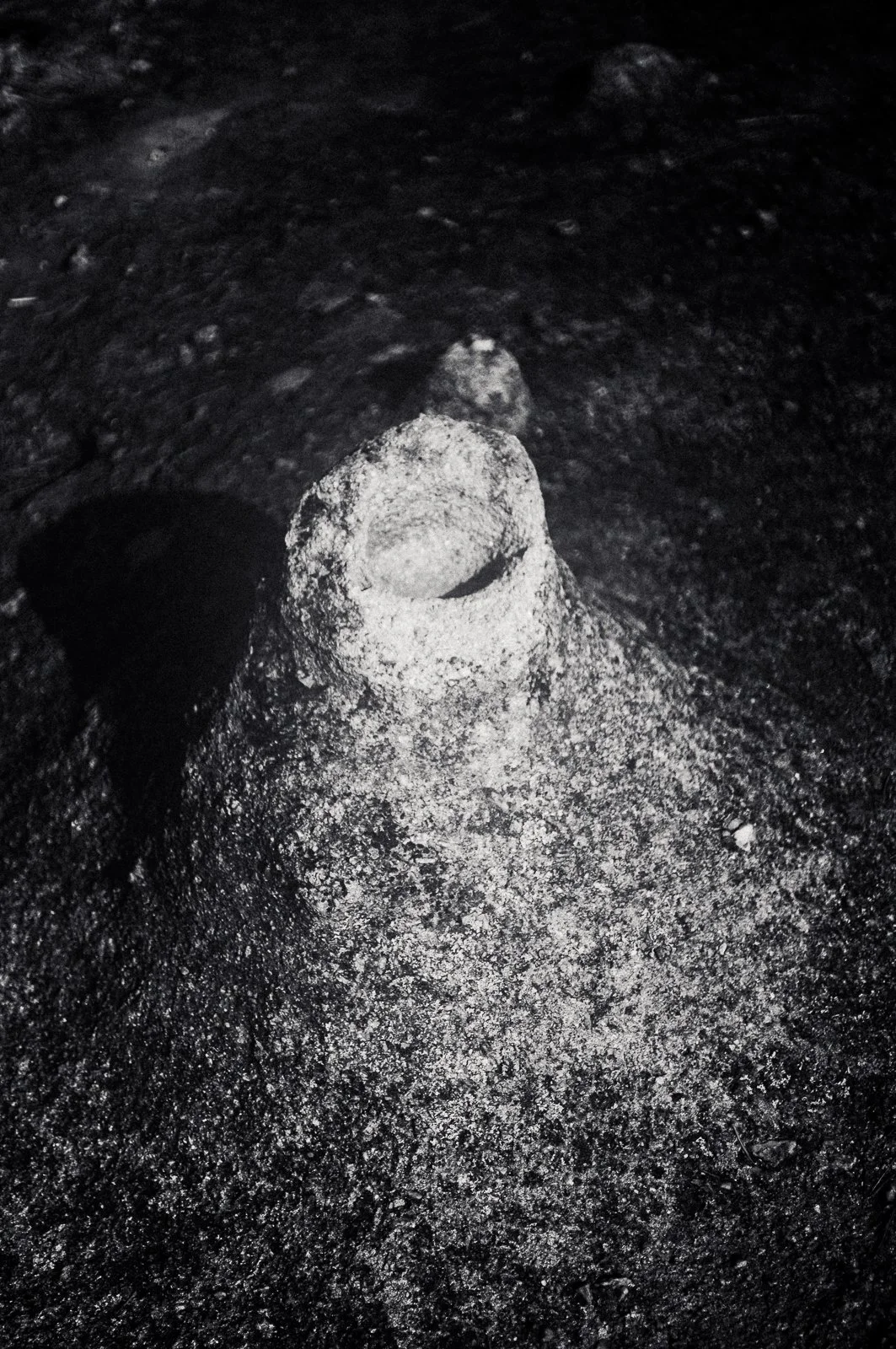
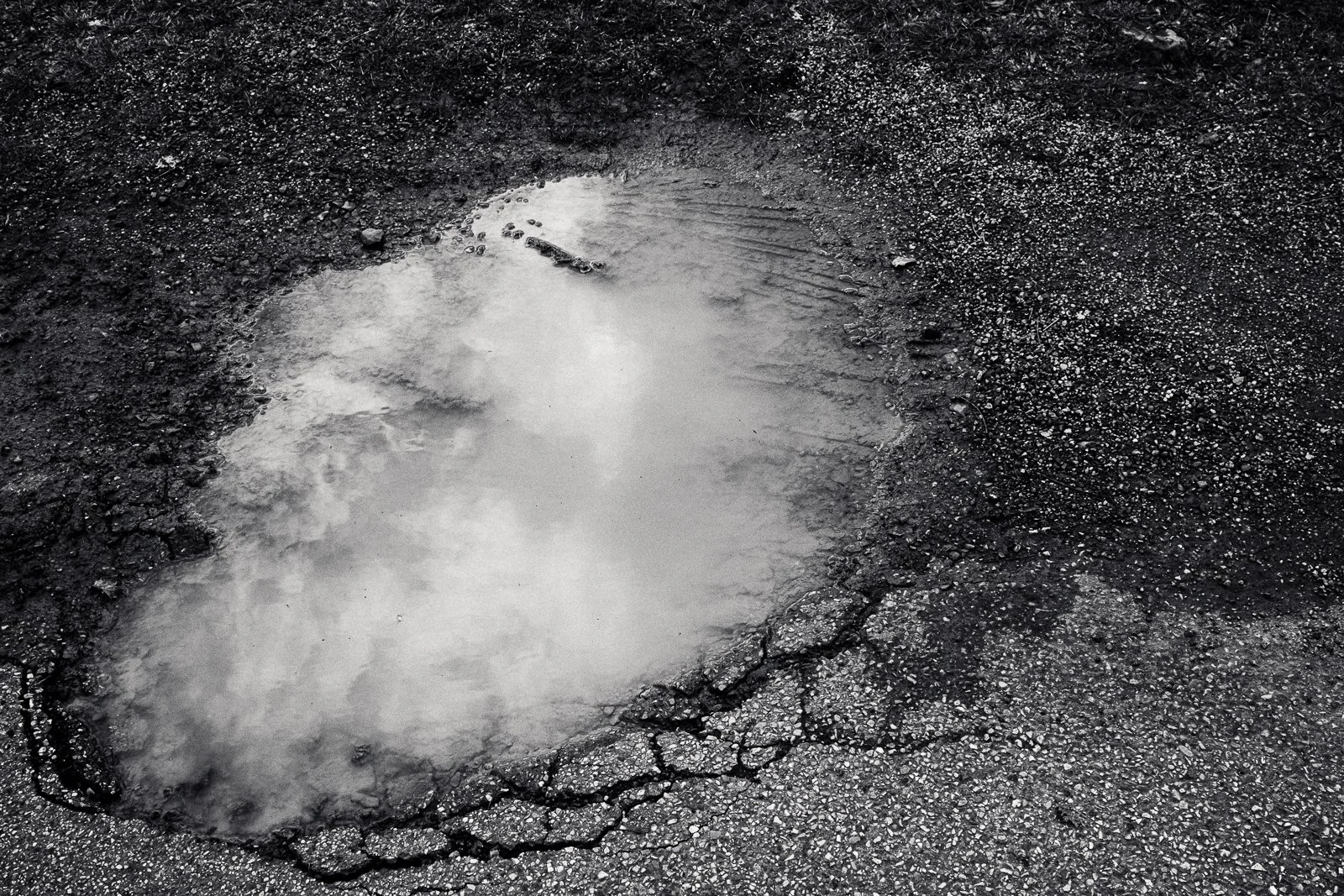
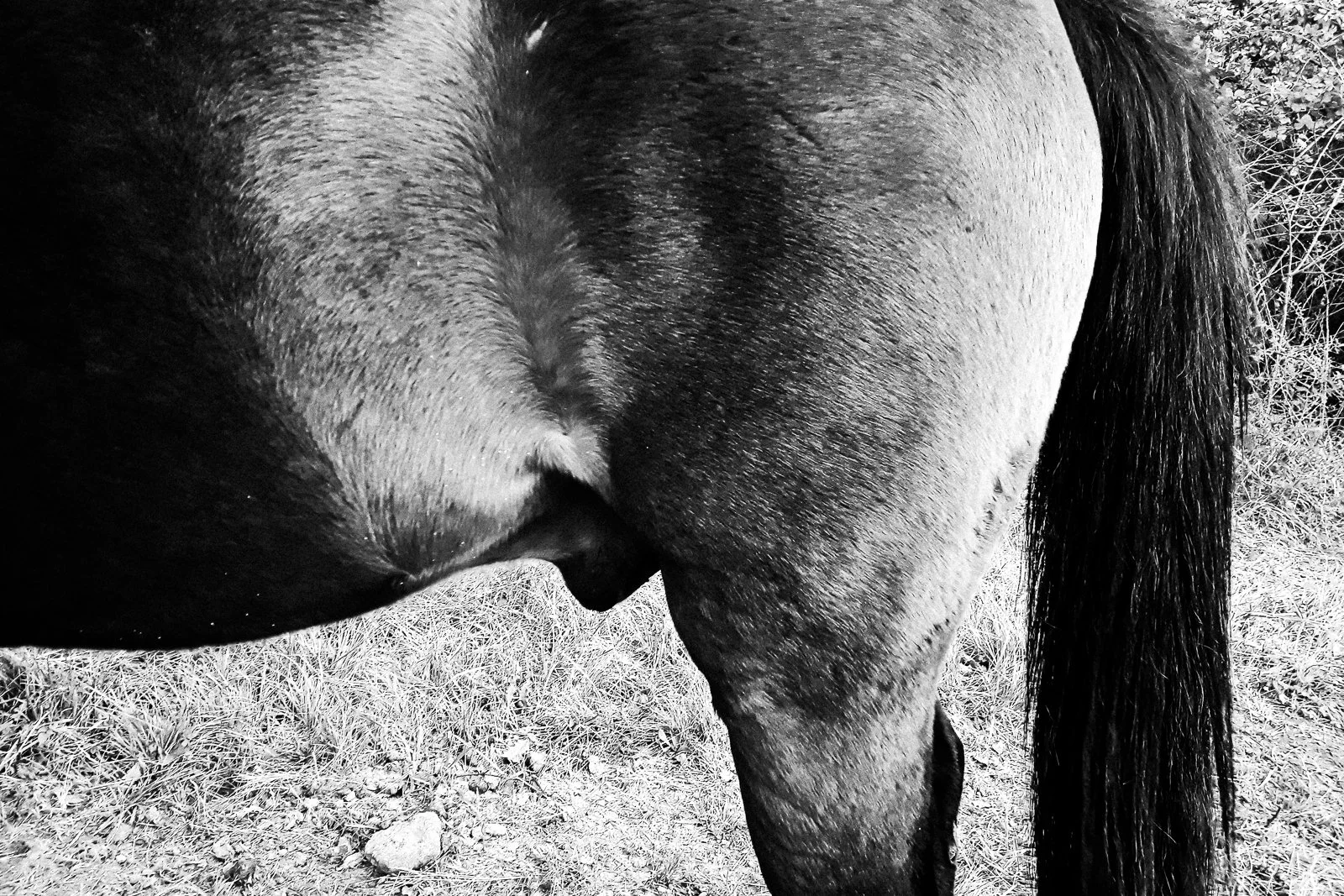
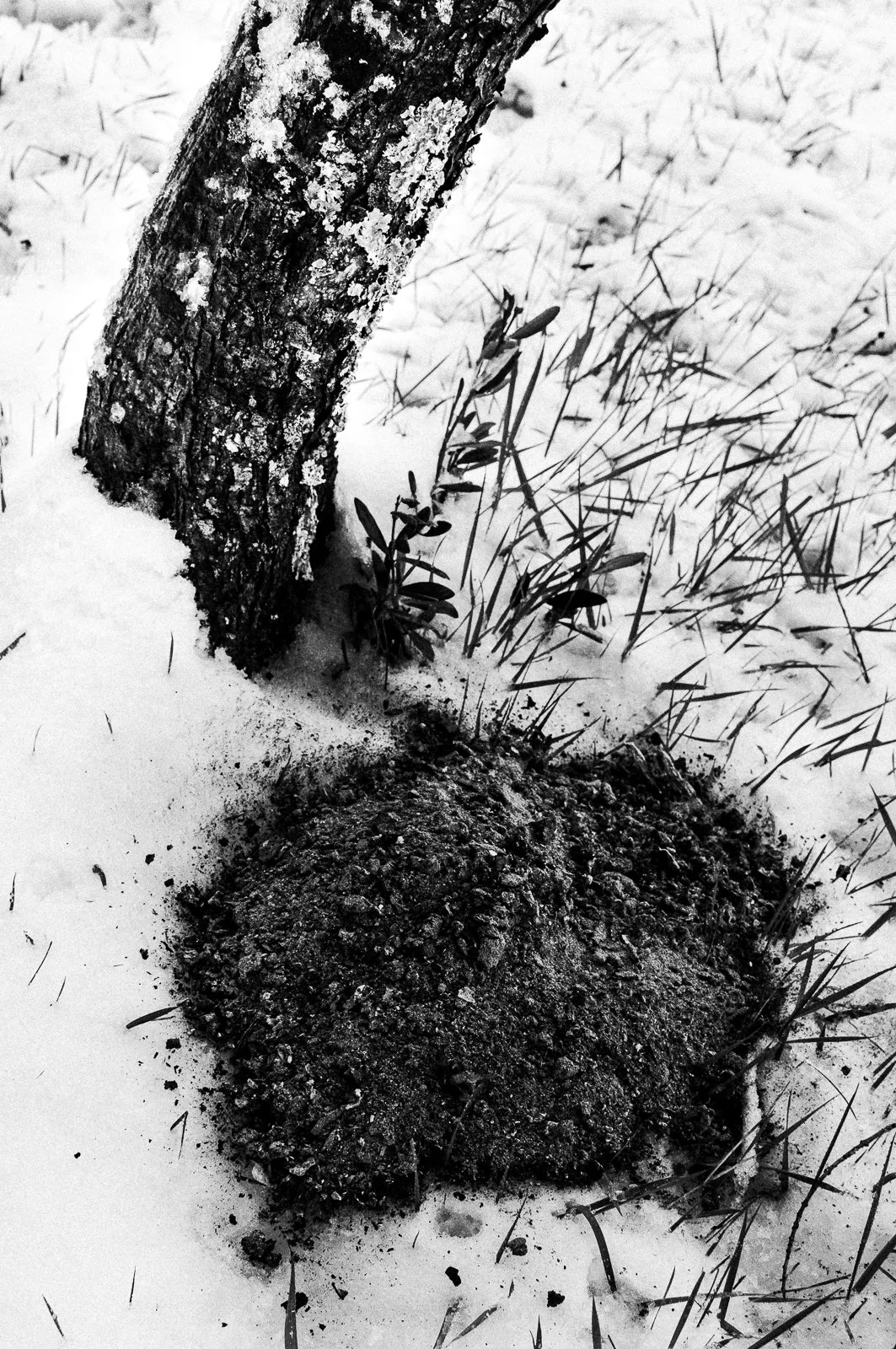
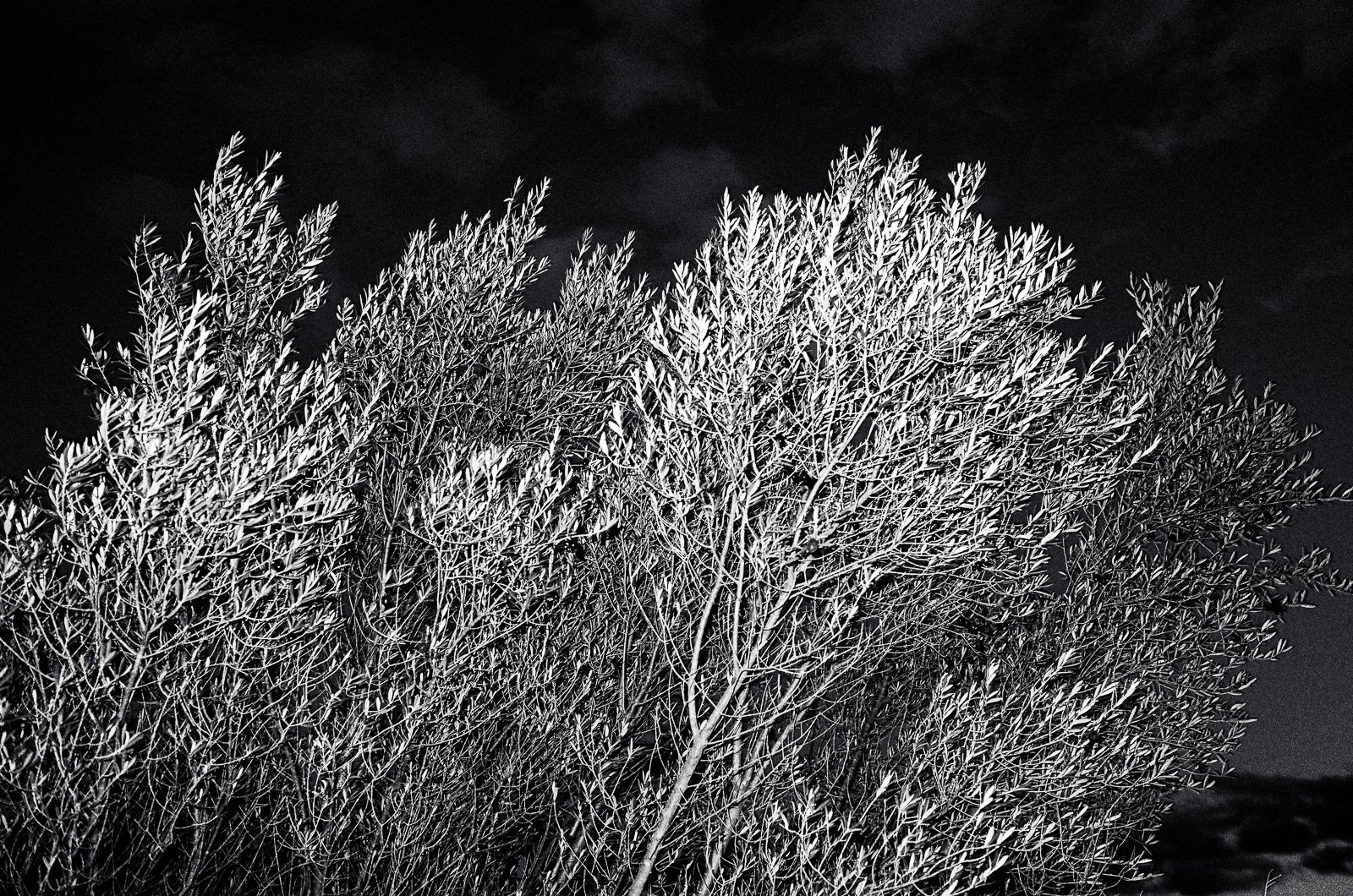
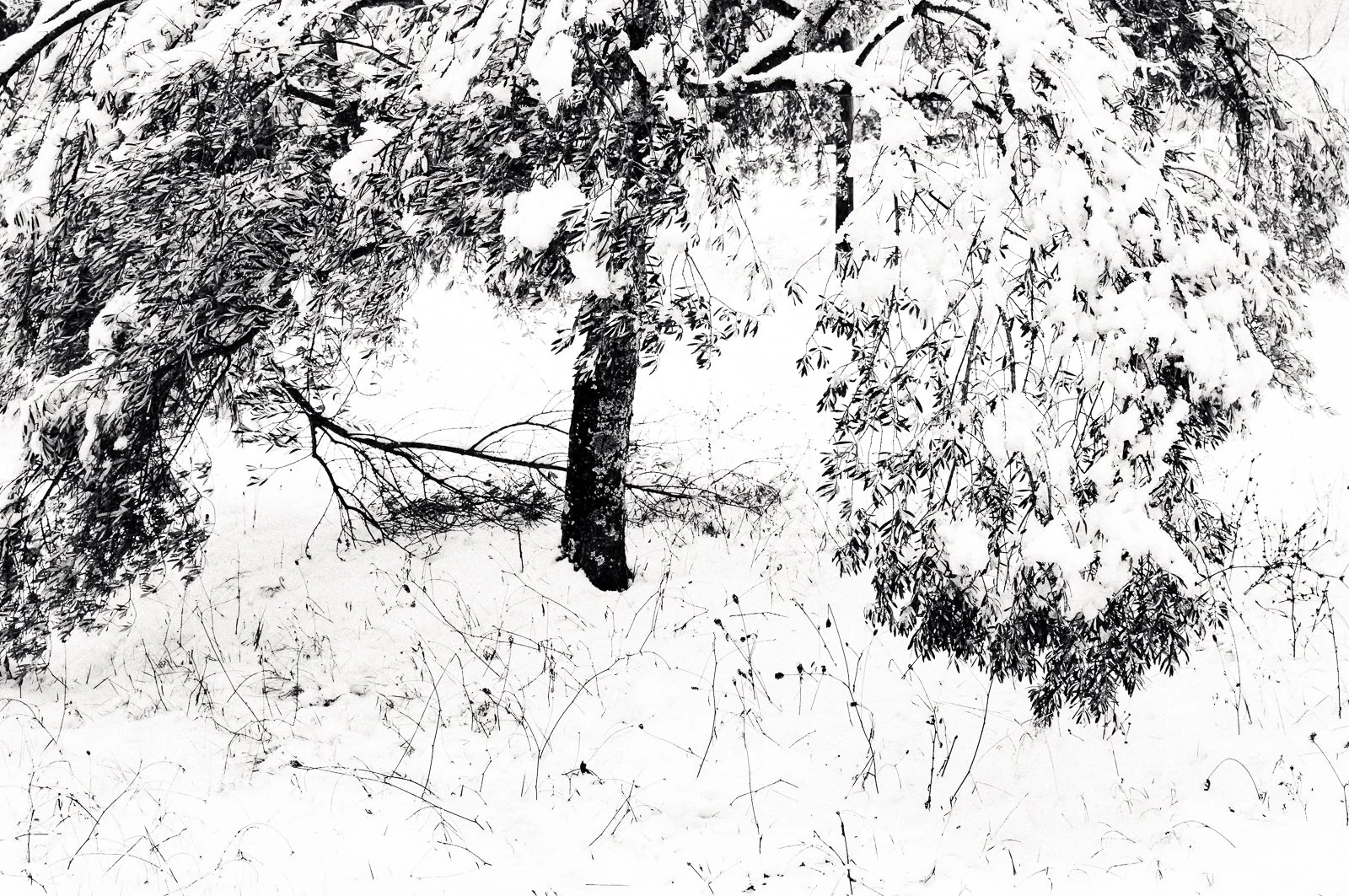
One winter I found an olive tree under the snow. Its branches were heavy, bowed almost to breaking. It was in its own silence, its own suspension. It was not waiting — it simply was, as it had been for decades before I arrived, as it will be when I am gone. Nothing about it required my presence or my attention. And yet something passed between us. That is what I mean by resonance. Not echo, not repetition — resonance in the sense Hartmut Rosa gives the word: a relation in which two distinct bodies vibrate in response to one another without merging, without one absorbing the other. The basalt does not remember the peasant who laid stone upon it. The olive tree does not know it is being photographed. But something passes between the layers — between the mineral and the human, between deep time and a single winter morning — still legible if you look slowly enough.
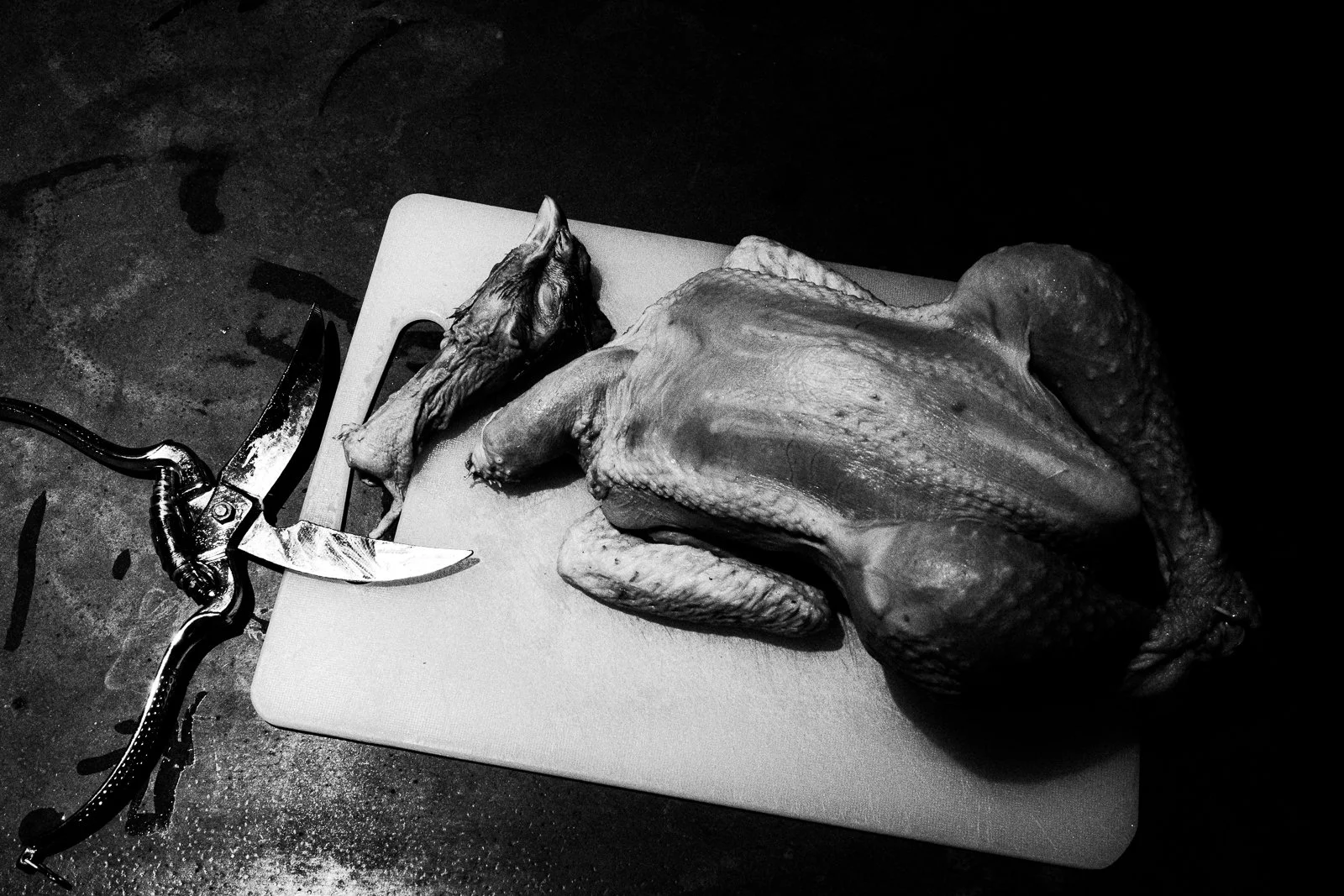
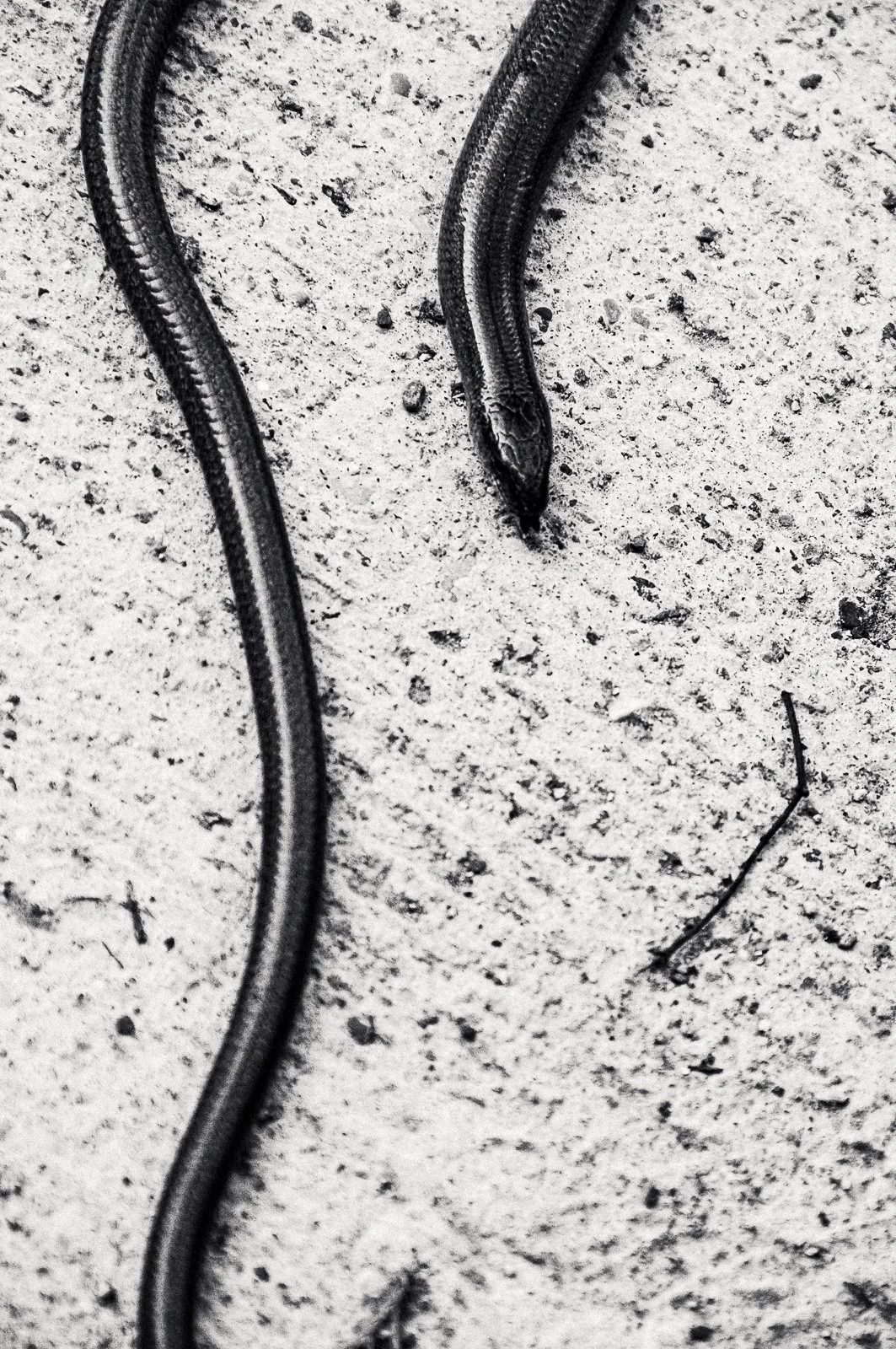
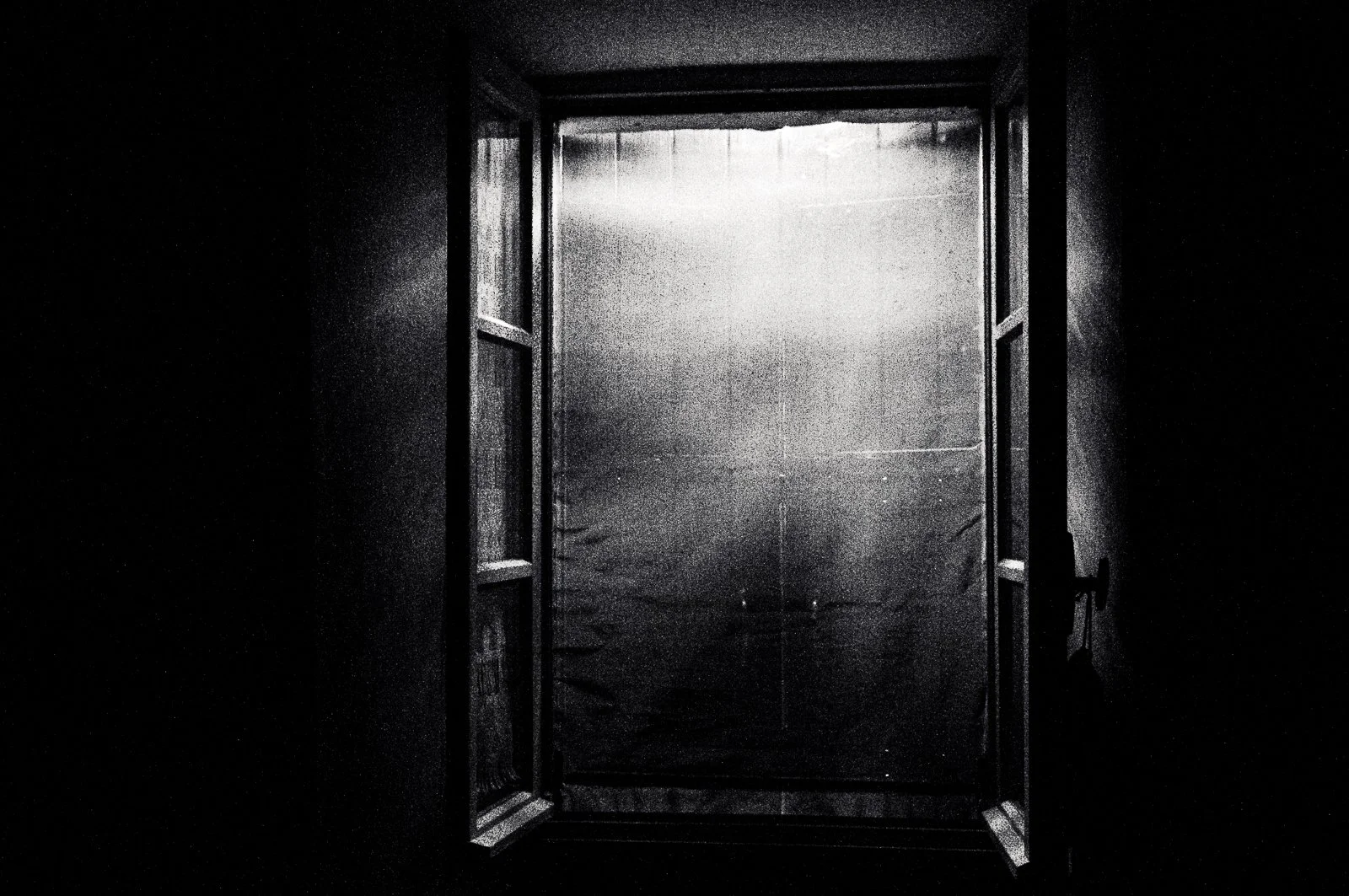
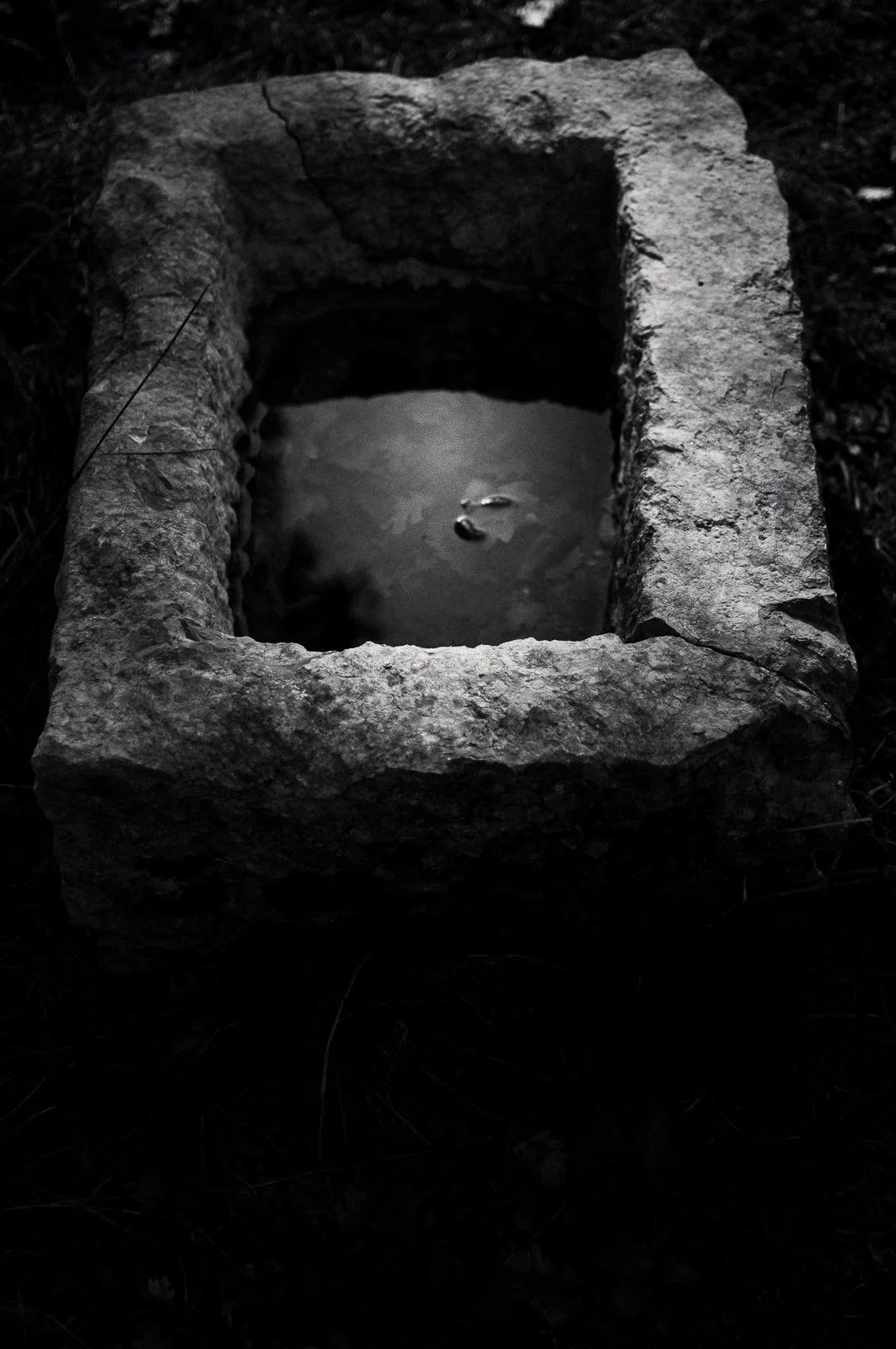
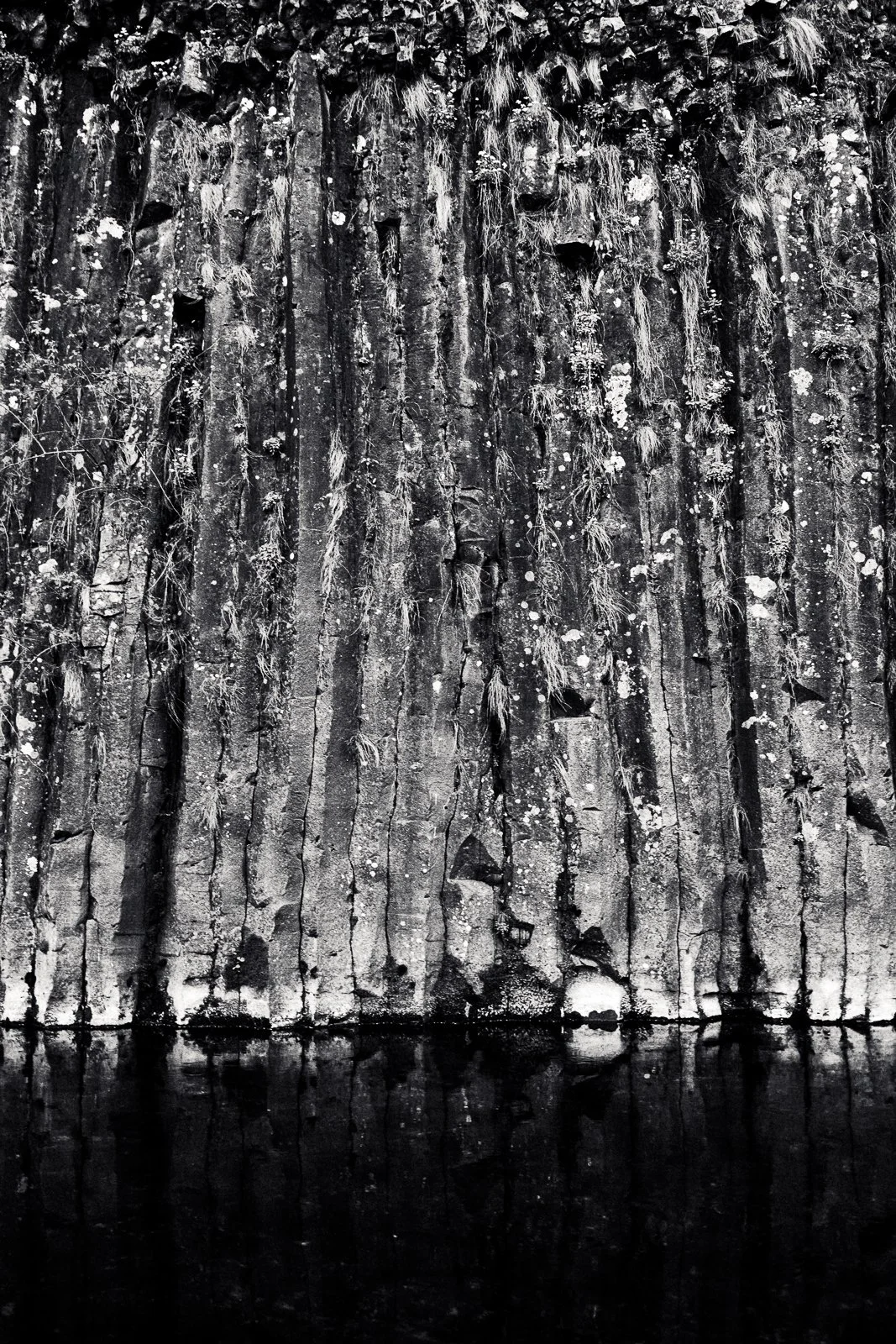
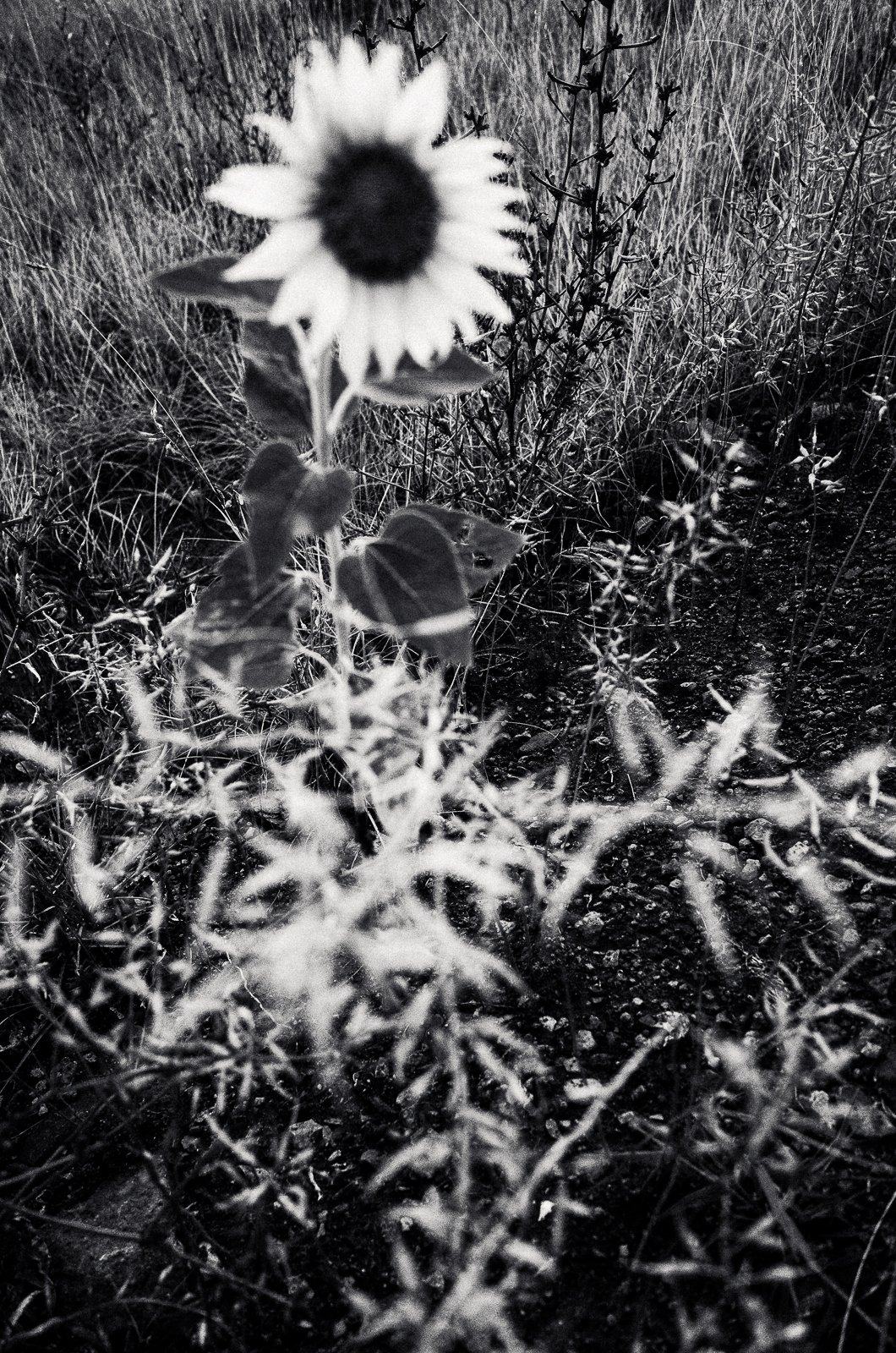
I am the stranger who was received into this territory. I photograph it not as document, not as elegy — I am not mourning something I never possessed. But as an act of attention toward what continues to exist outside of memory, outside of transmission, outside of anyone's intention to preserve it. These images are made slowly, across seasons, in the same place. They are not about landscape. They are about what landscape holds when the people who shaped it are gone — and about what was never theirs to shape in the first place.
Prints available • Contact for exhibitions and acquisitions. • Published in The Eye of Photography 2026
Prints & exhibition copies Available as limited editions: 40 × 50 cm and 60 × 80 cm. Piezography carbon inks on Hahnemühle Photo Rag 308g. Signed and numbered. Exhibition loans available on request. → matthias.koch@pm.me