

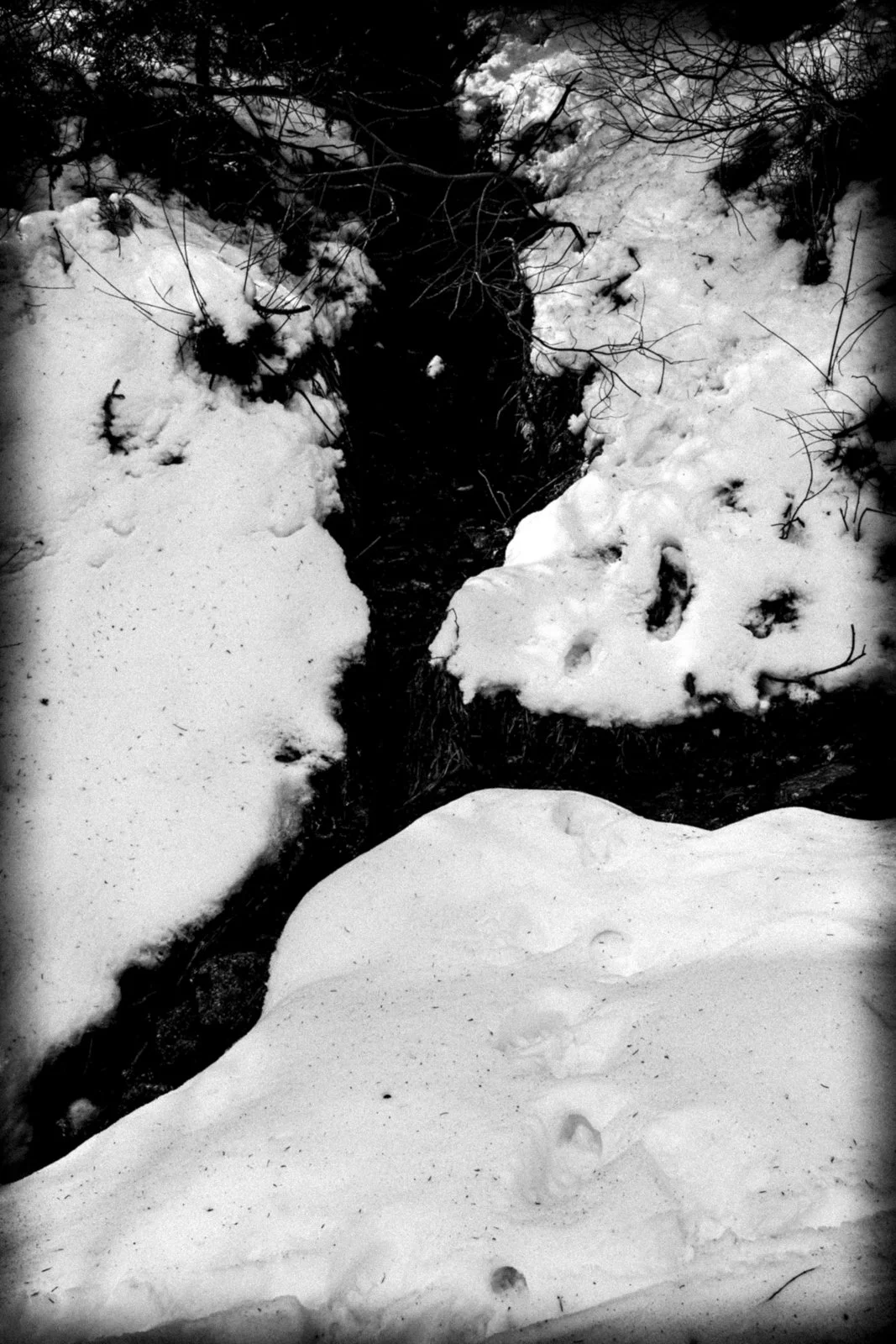

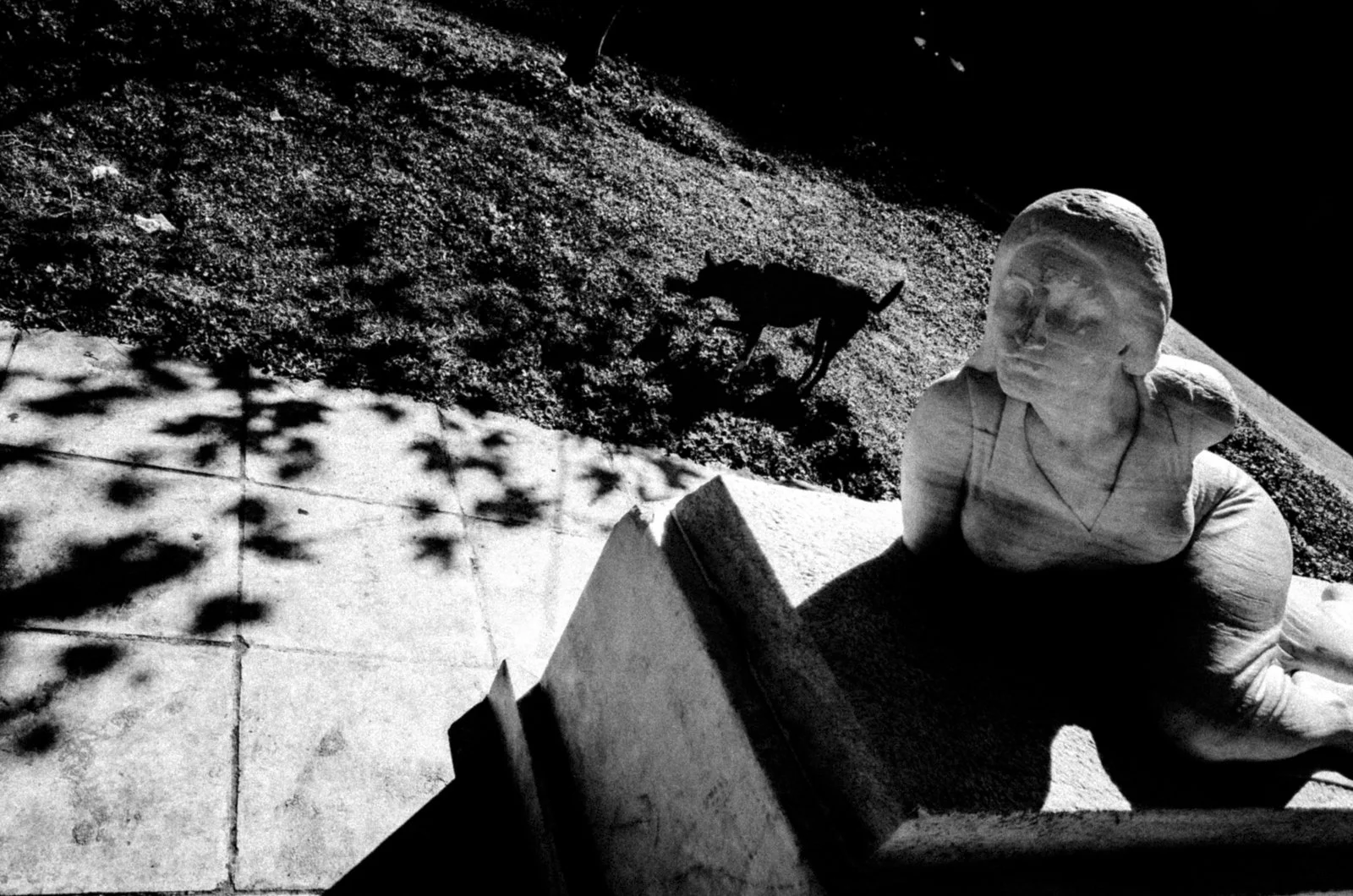

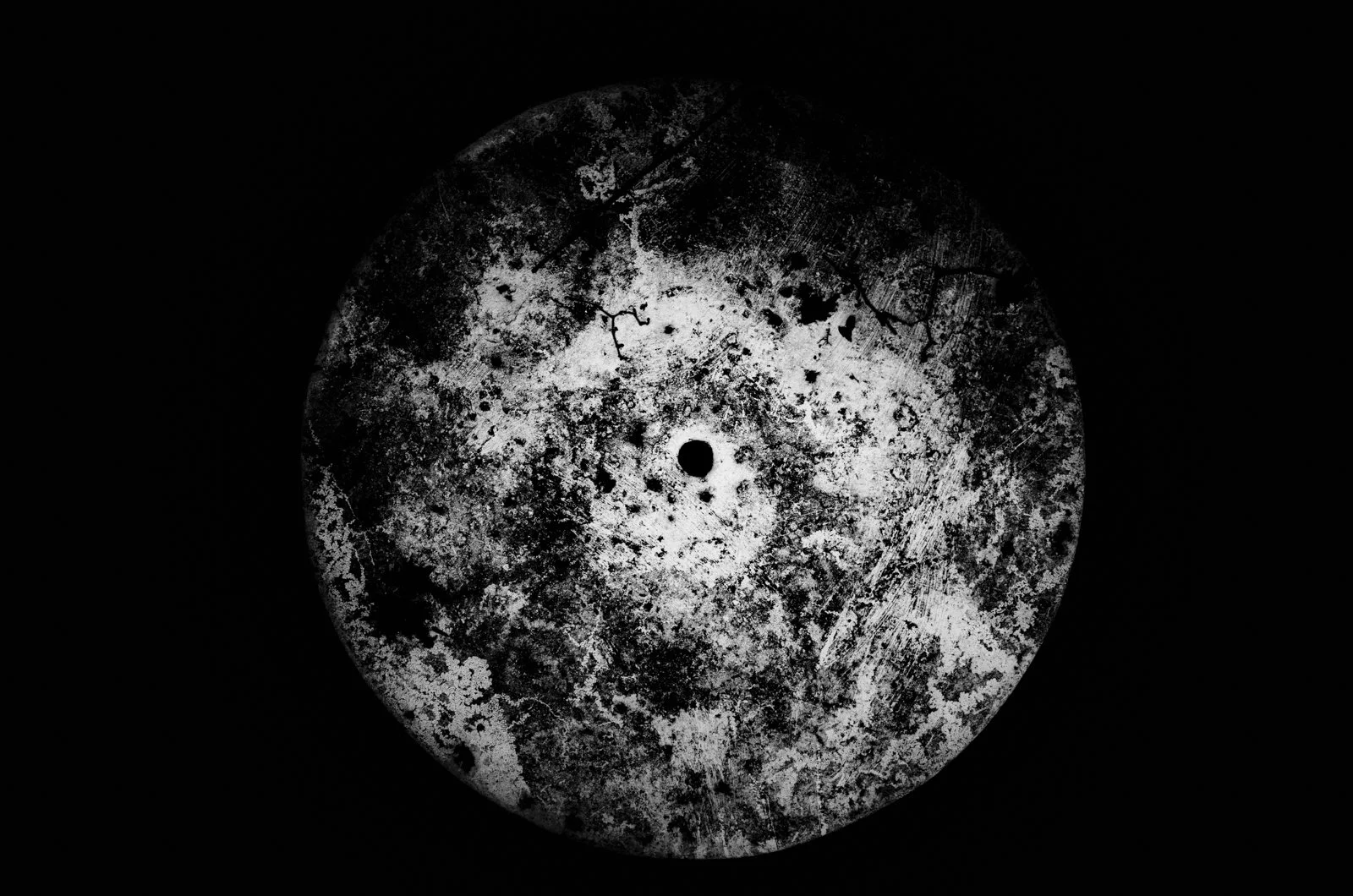
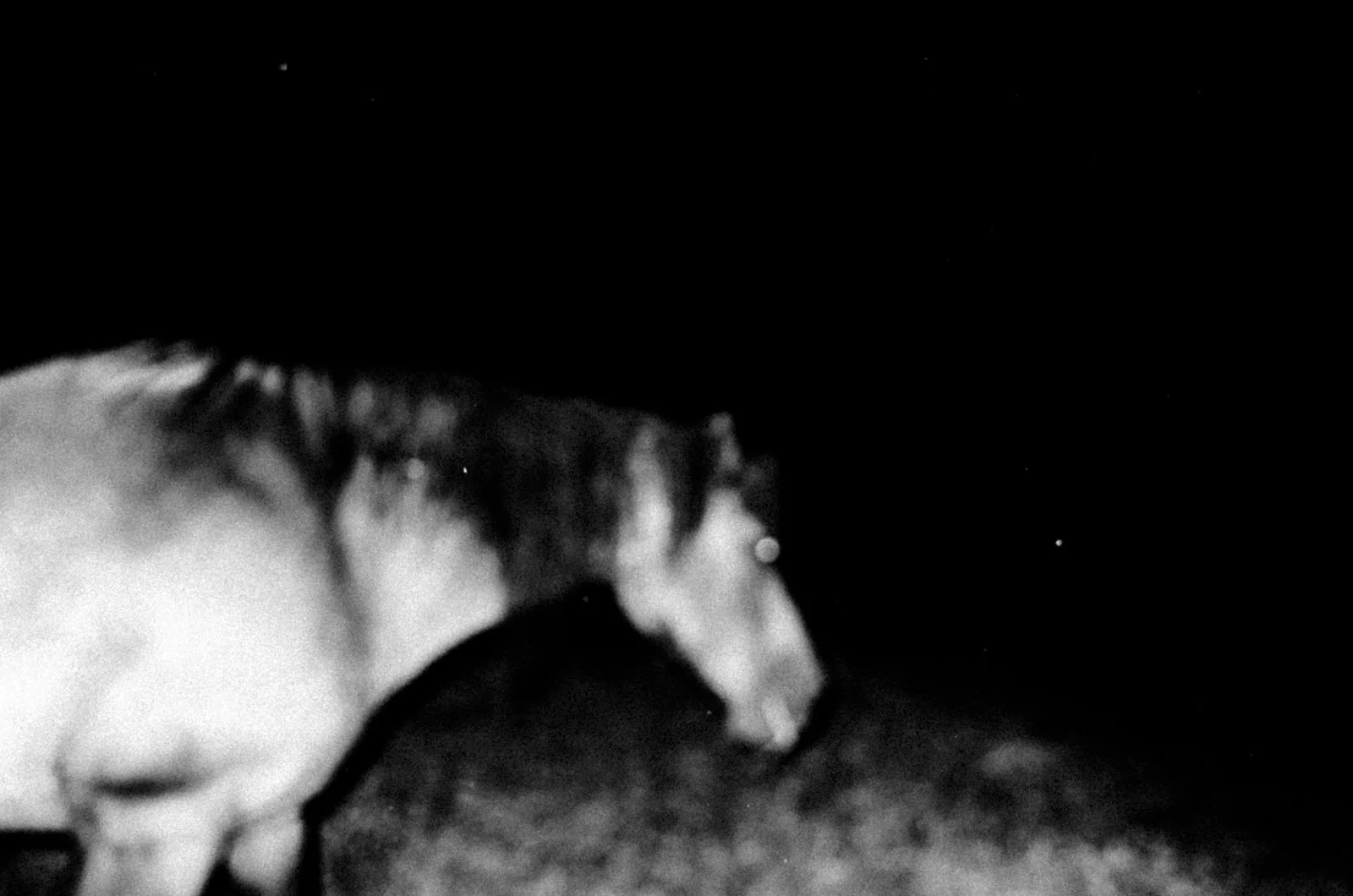
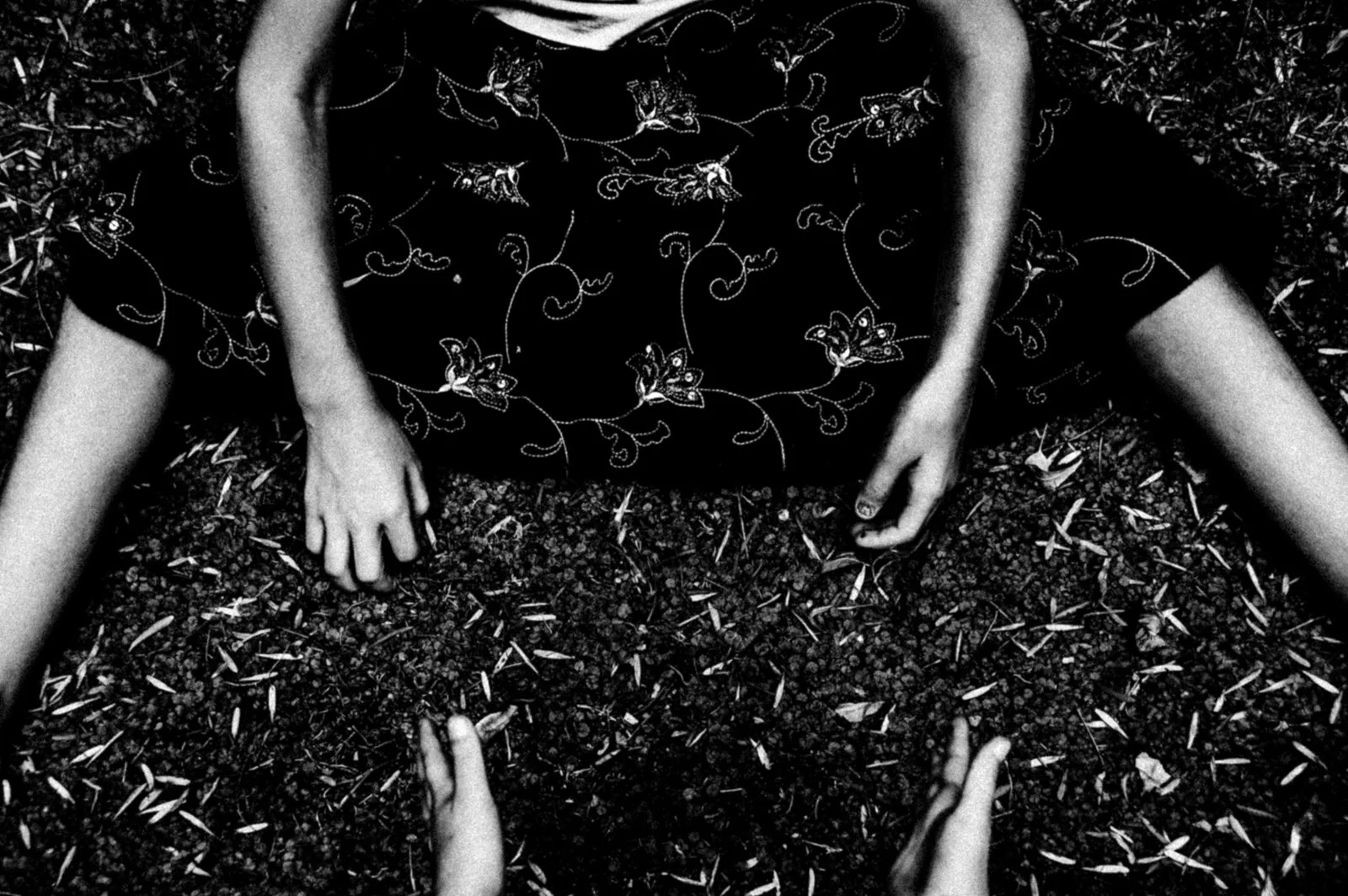

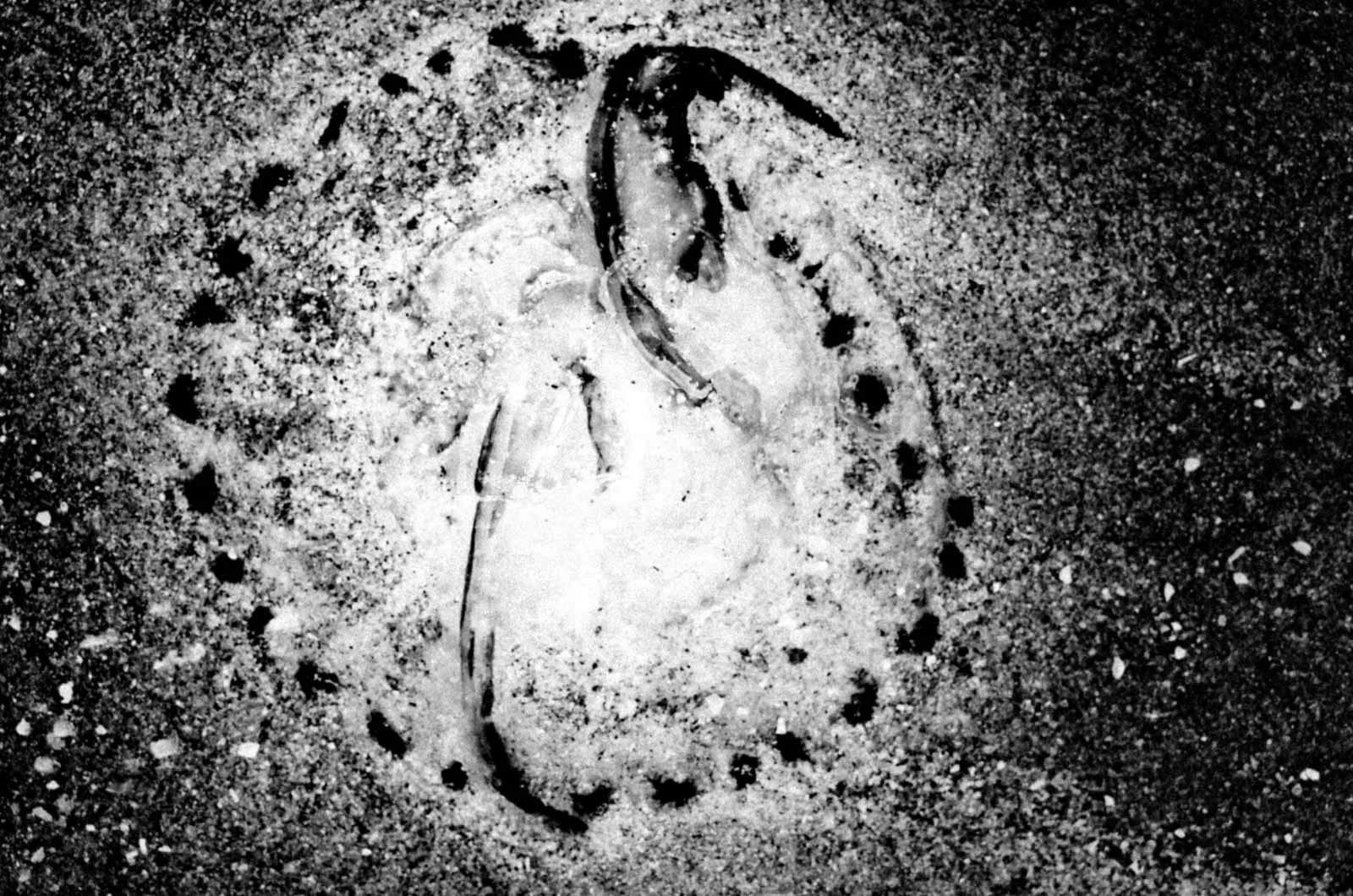
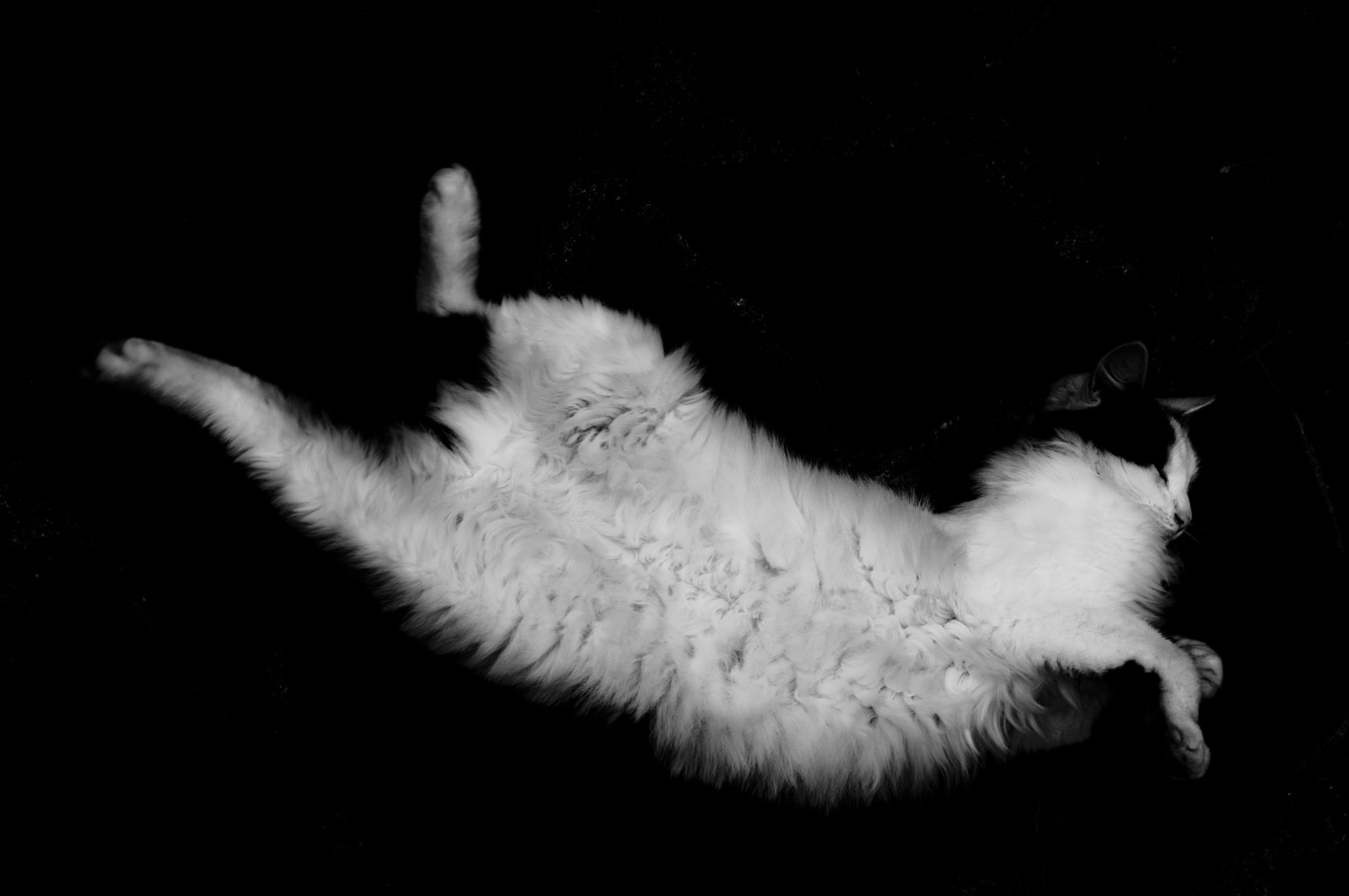

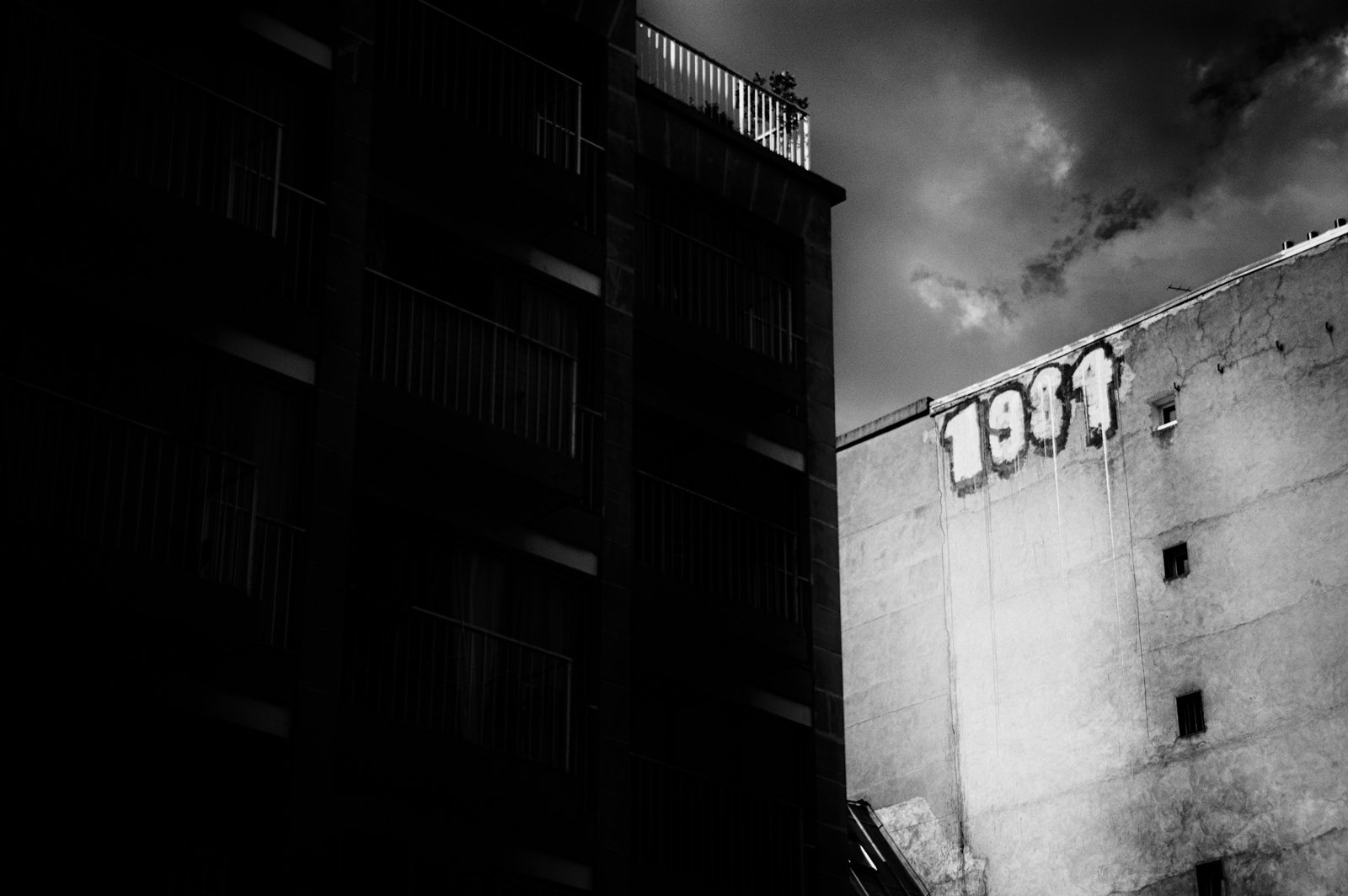
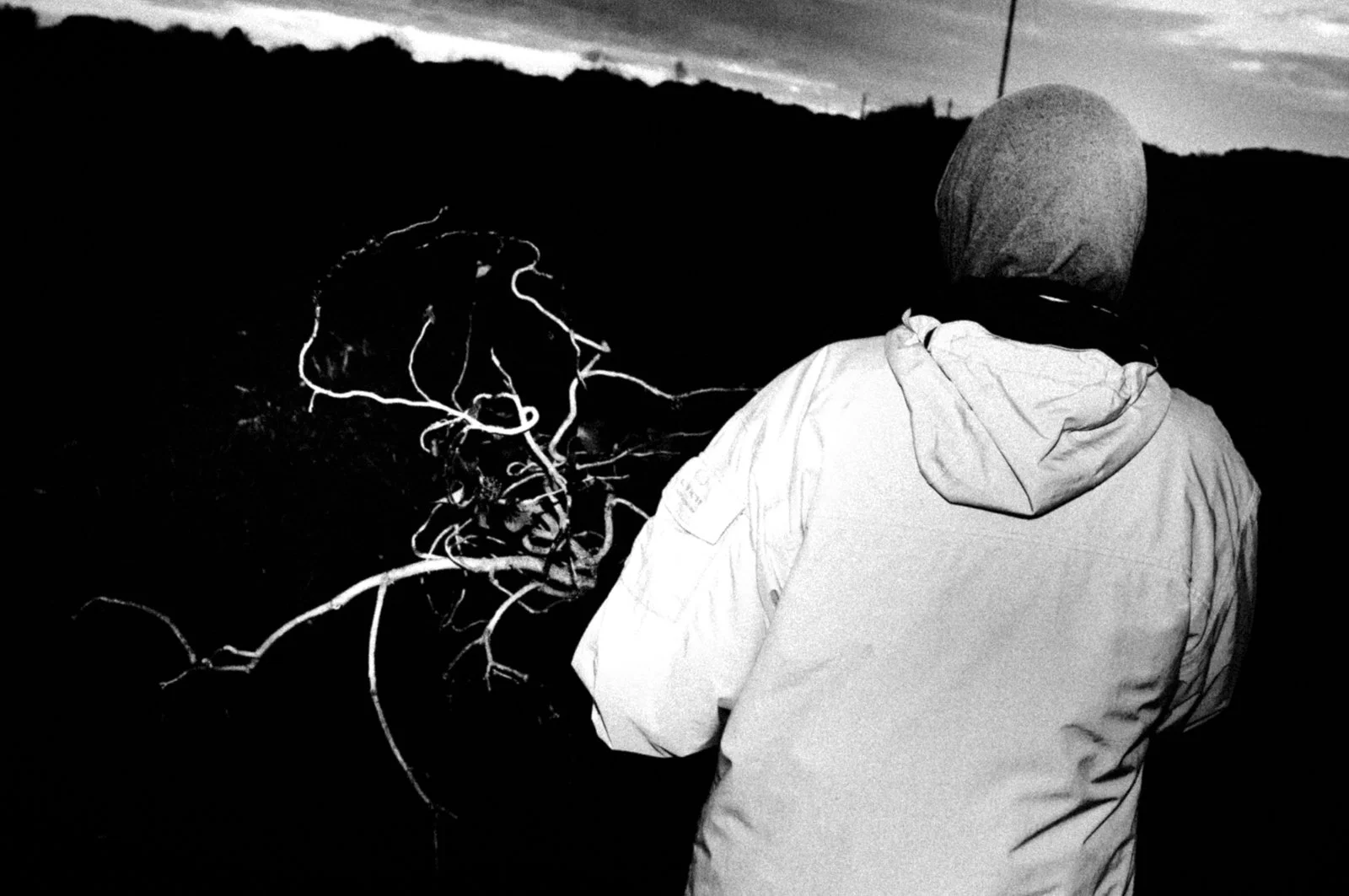
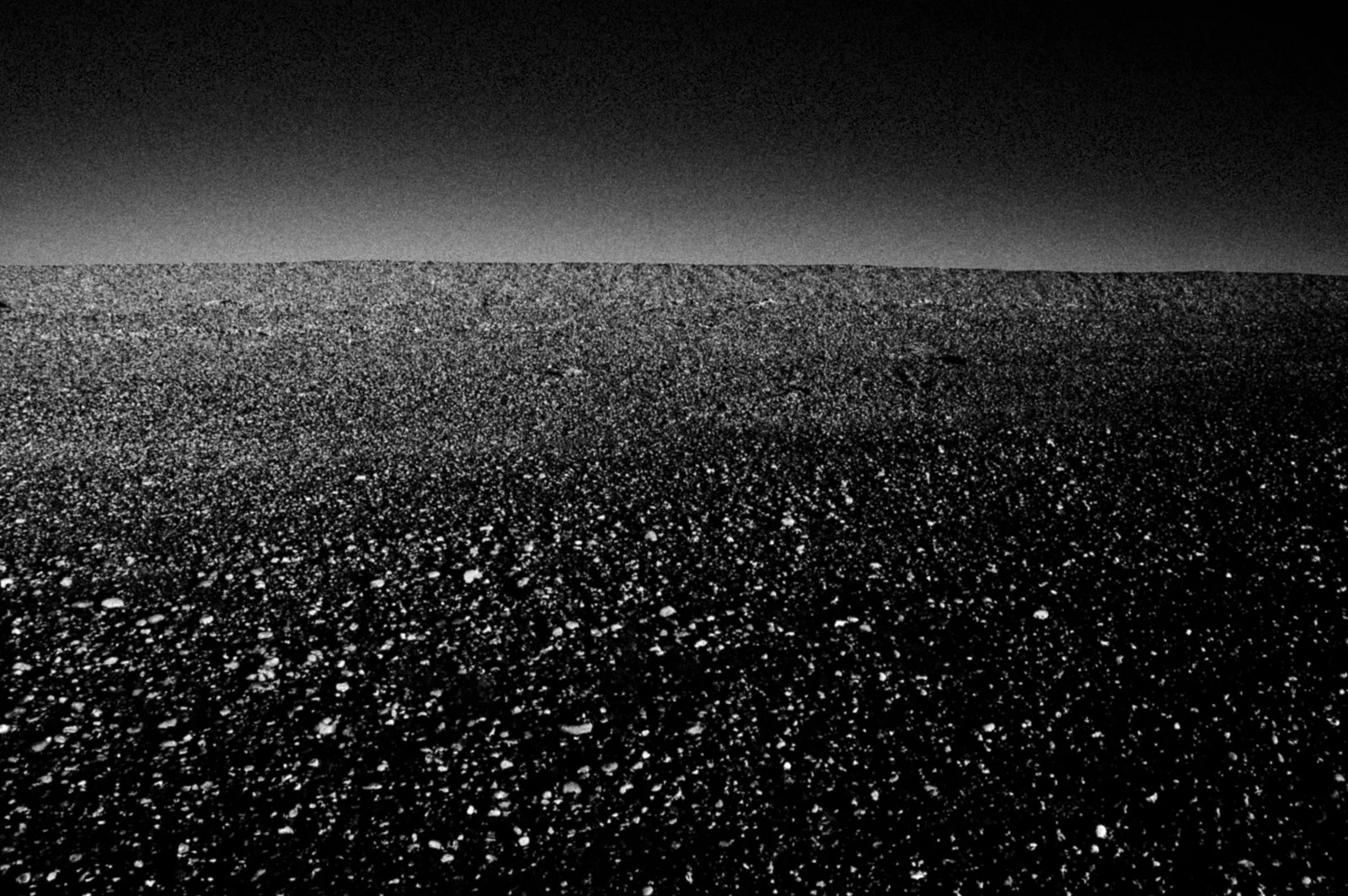
ESCHATON
or the fragile persistence of a world on the edge of itself
I did not plan ESCHATON. It emerged — the way a recurring dream eventually demands to be written down.
For years, the work accumulated in separate bodies — each series its own territory, its own timeframe, its own obsession. Then the sequence tightened. The images began to speak differently to each other — not as documents of crisis, but as pressure. Something irreversible had entered the frame.
ESCHATON is the point at which the separate bodies of work converge — and where images that belong to no single series find their place. It is not a retrospective. It is not a summary. It is what happens when a corpus reaches its own horizon and looks back at itself.
—
The word comes from Greek — eschatos, the last, the furthest, the uttermost. In theology, the eschaton is the end of history: the moment beyond which nothing continues.
Walter Benjamin knew this differently. His angel of history — Klee's Angelus Novus — faces the past, not the future. Where we see a chain of events, it sees catastrophe: wreckage upon wreckage, debris piling at its feet. It would stop. It would gather the broken pieces, wake the dead, make whole what has been smashed. But the storm called progress drives it backward into the future, wings open, unable to close them, unable to turn.
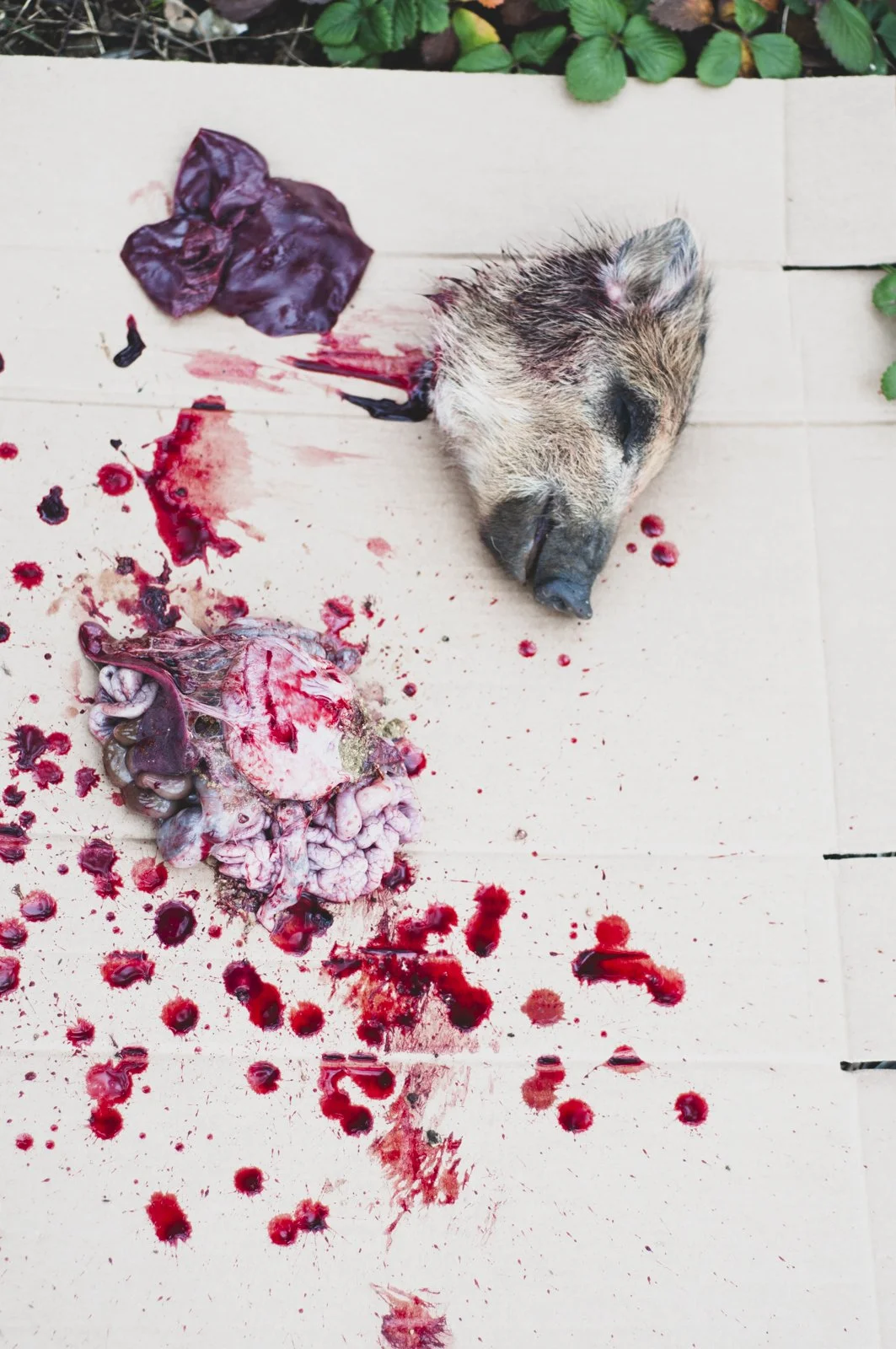
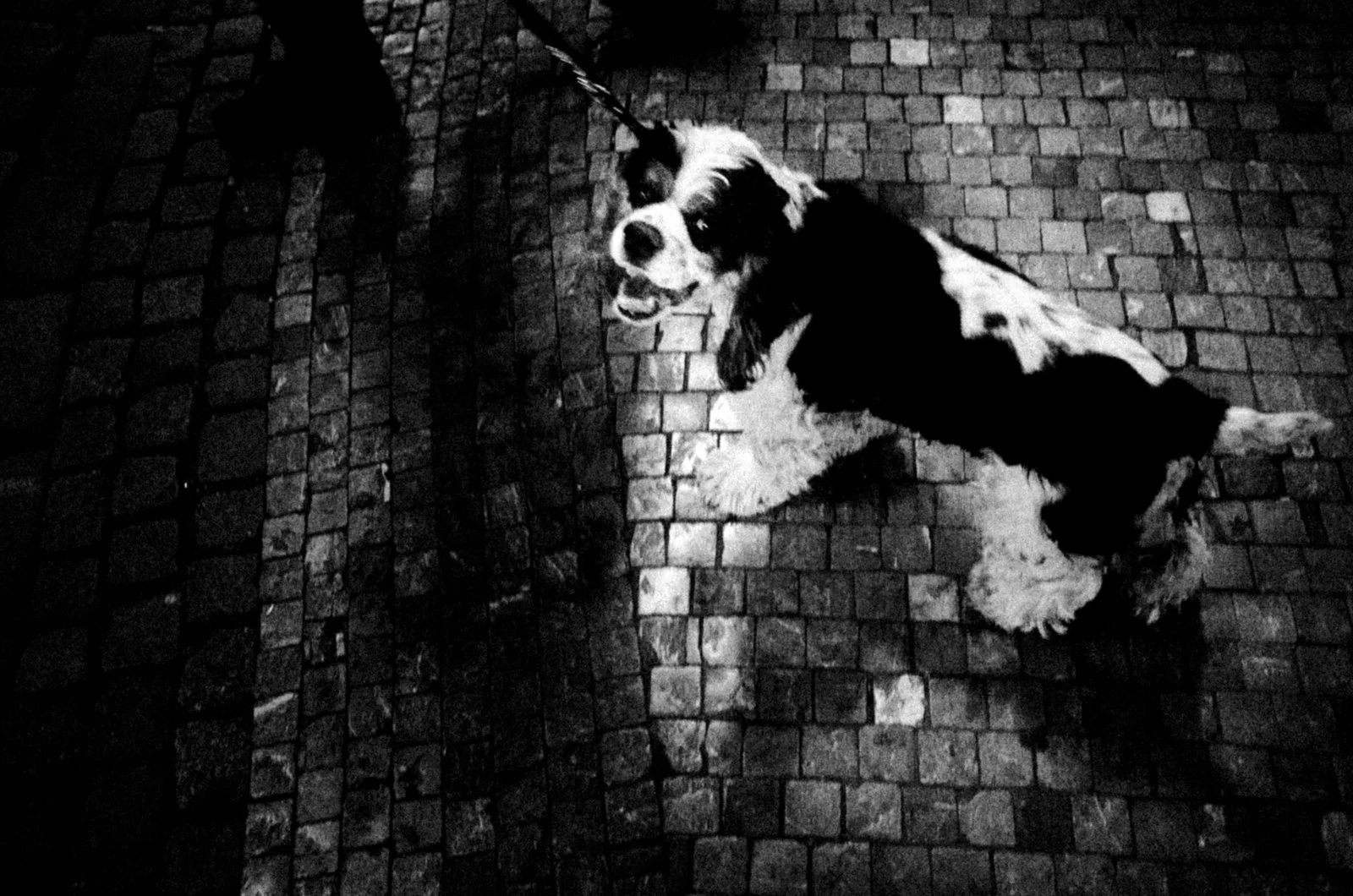
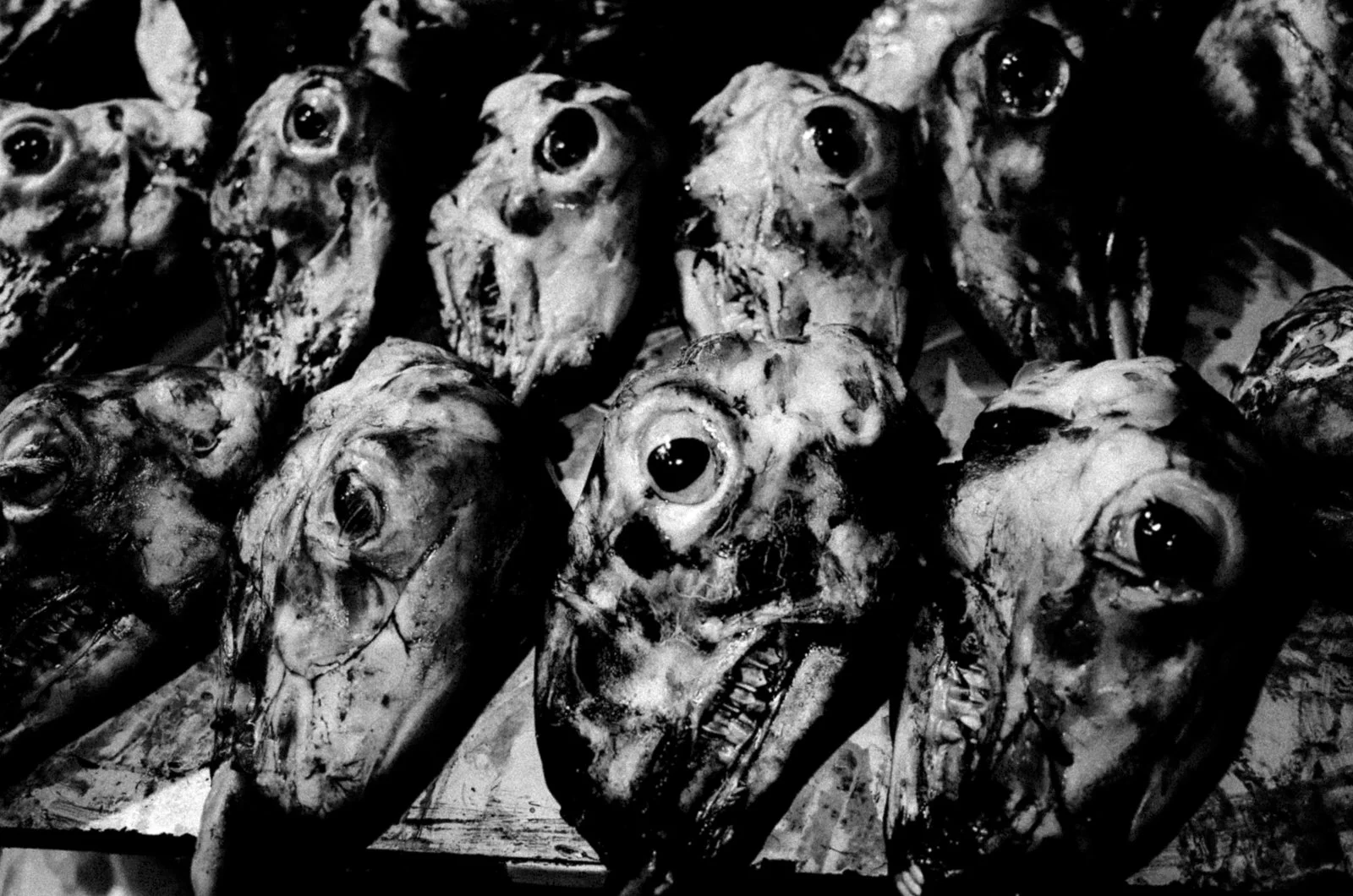
Photography is that angel. Each image is a fragment torn from the continuous disaster of time — not to preserve, but to bear witness to what cannot be undone. The camera does not stop the storm. It registers the wreckage with open eyes.
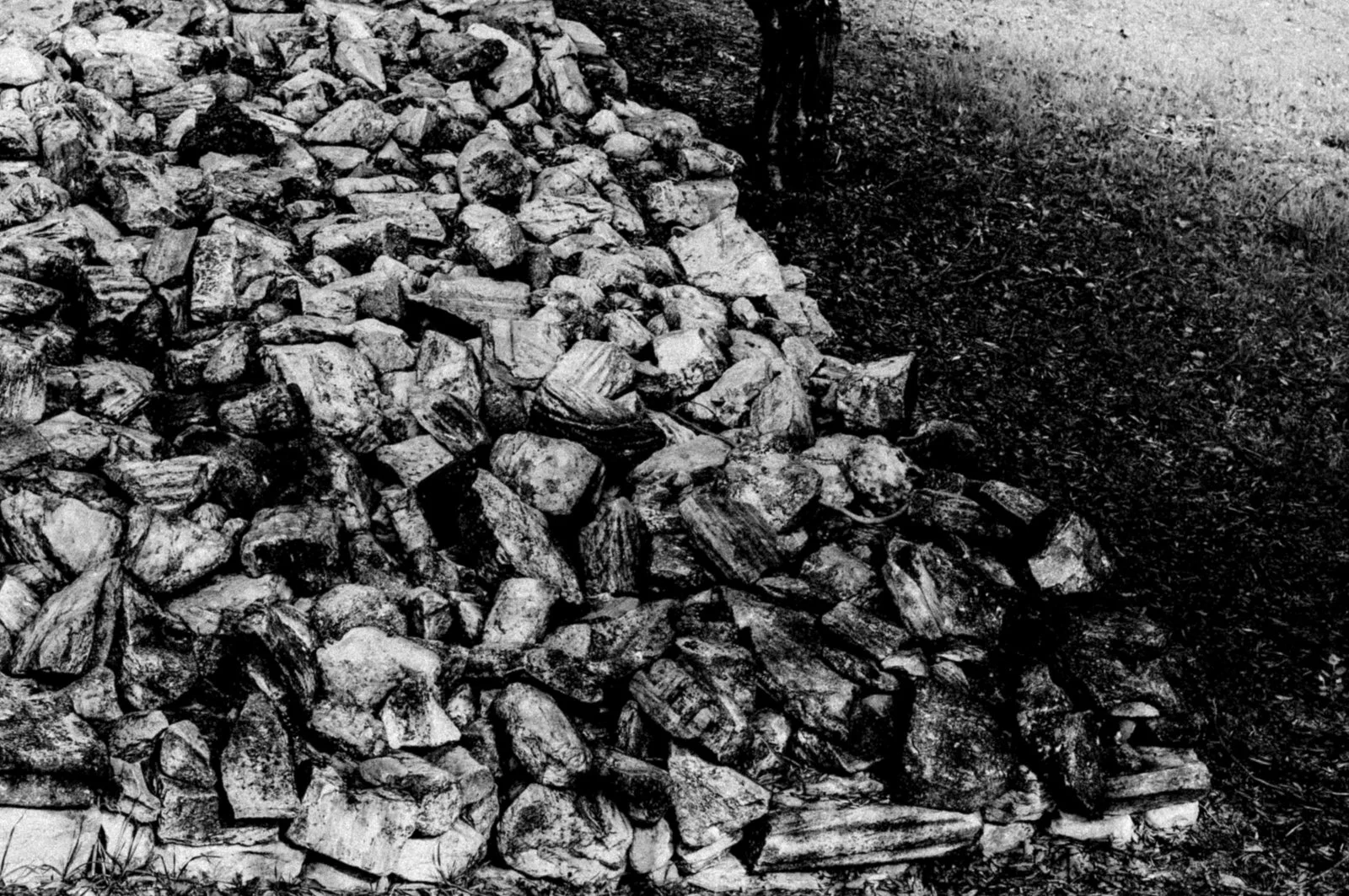
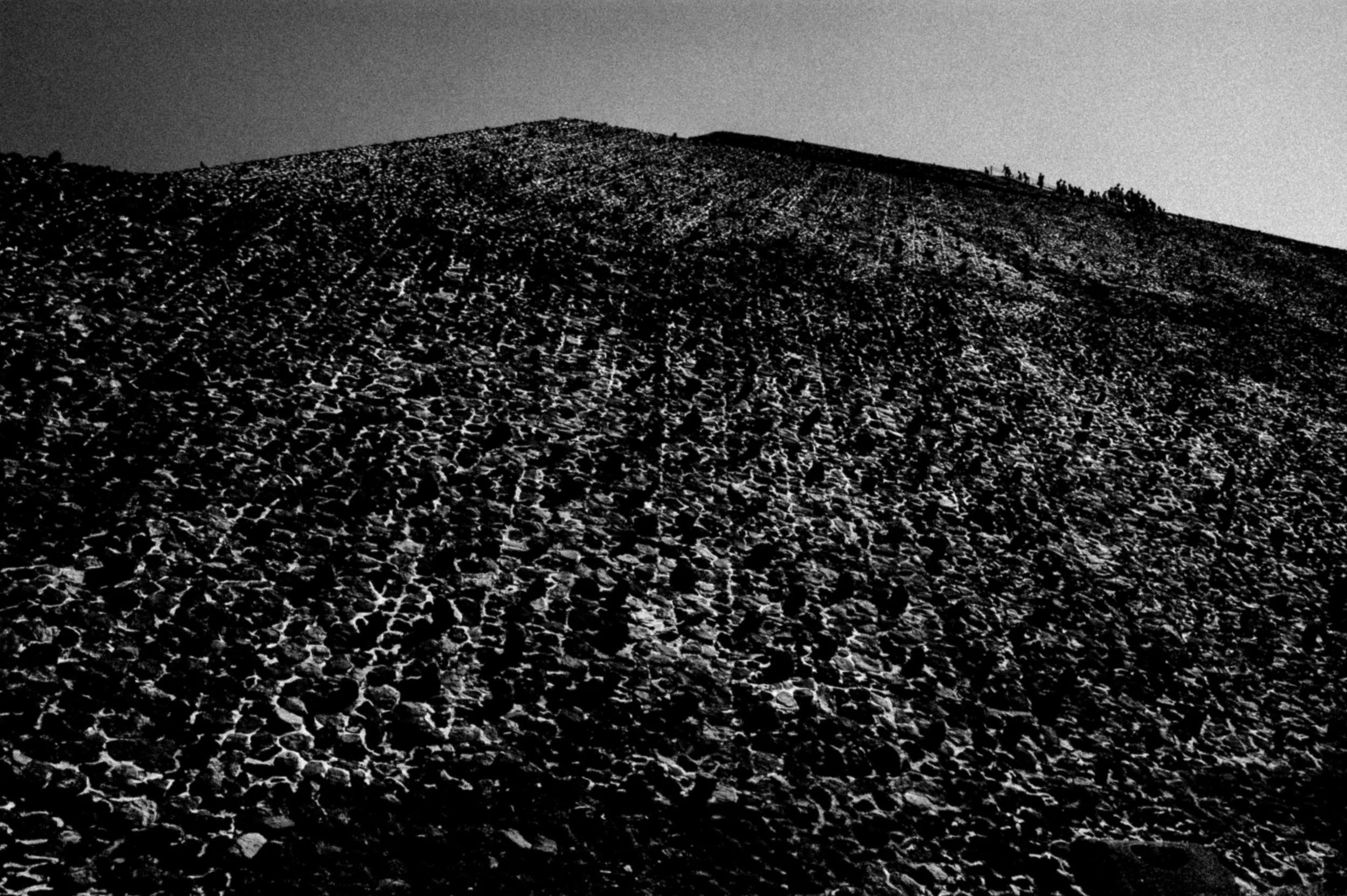
ESCHATON is the moment the debris becomes a sequence. Not order — pressure. Not archive — weight.
—
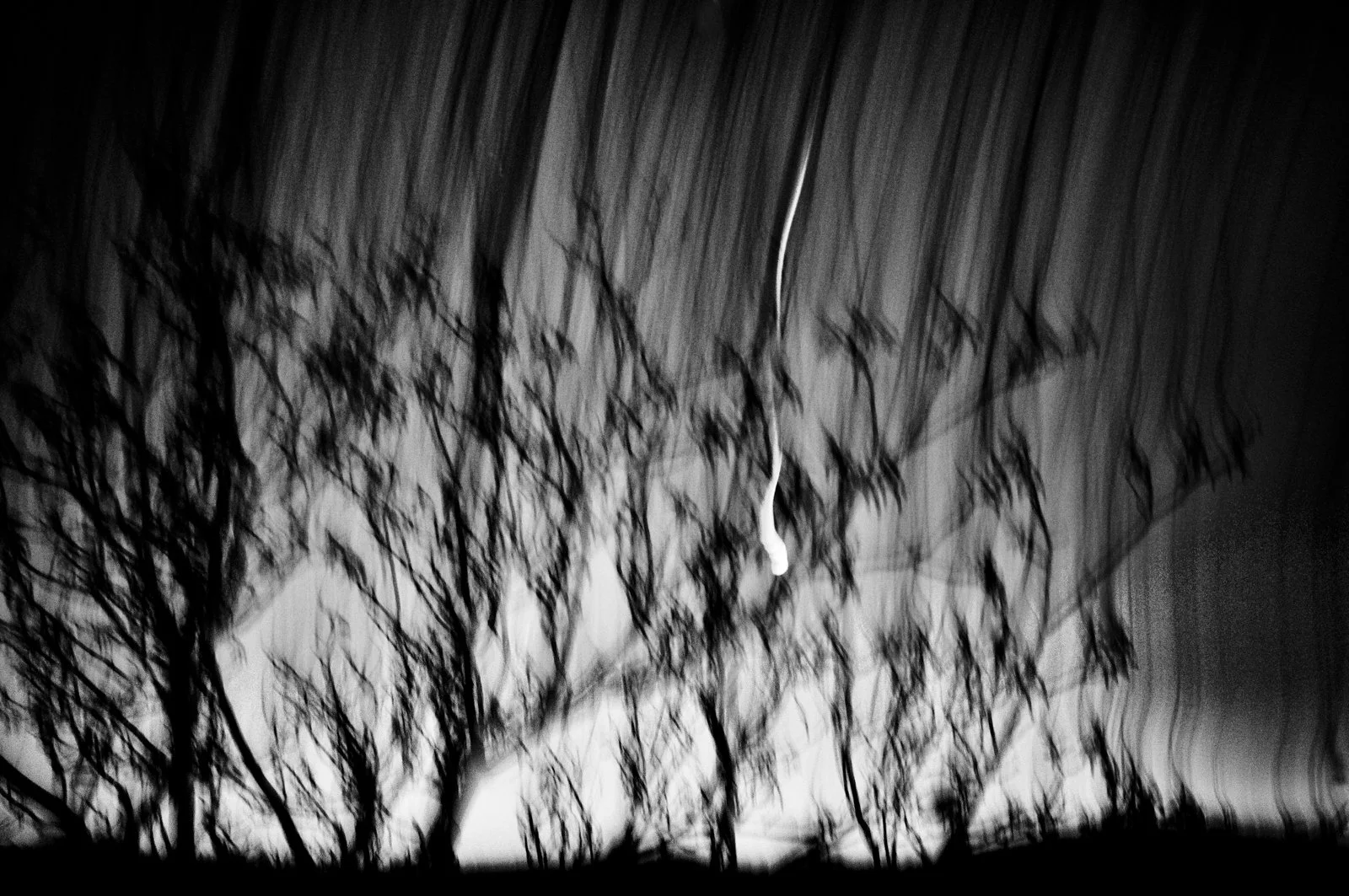
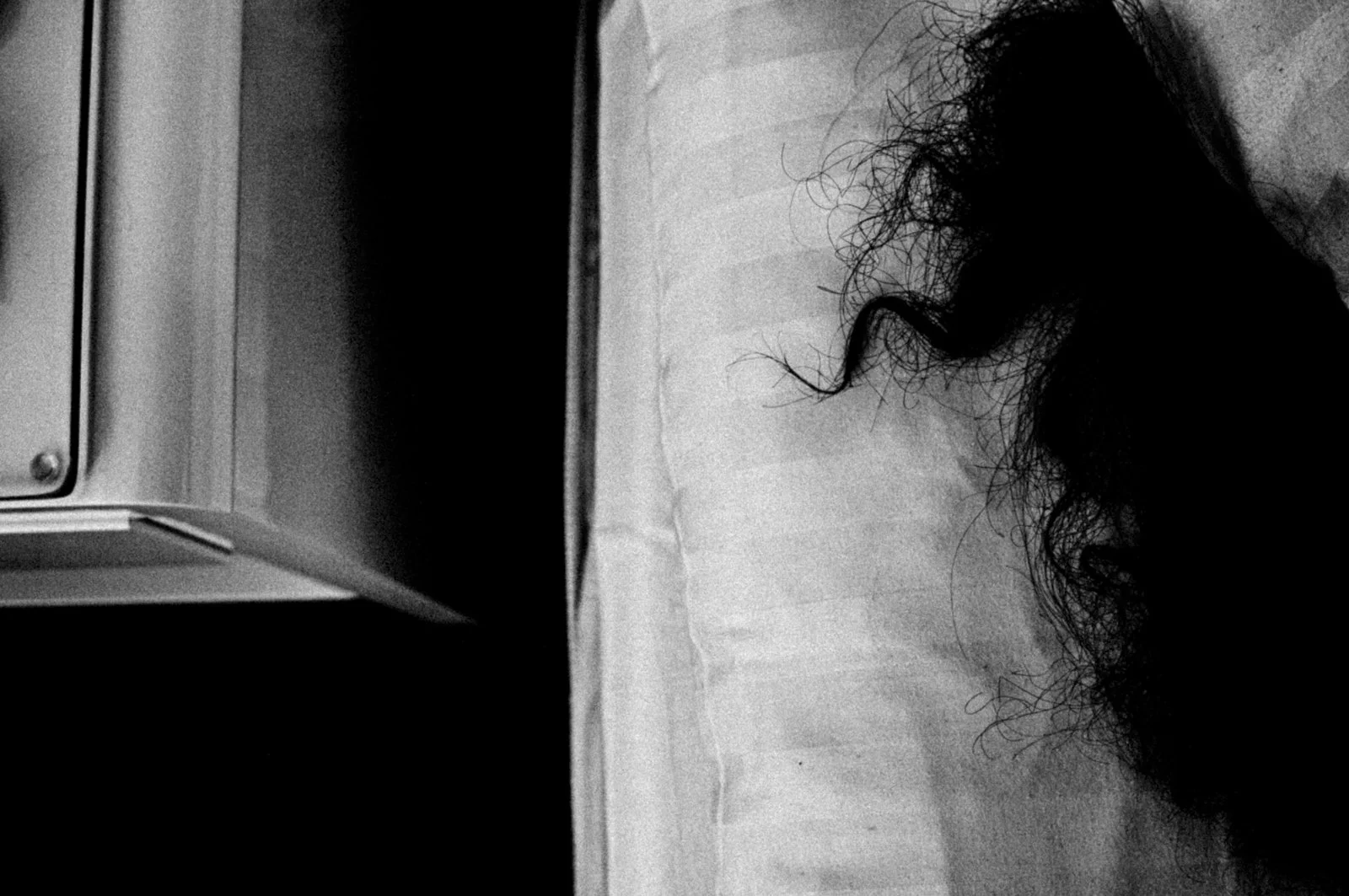
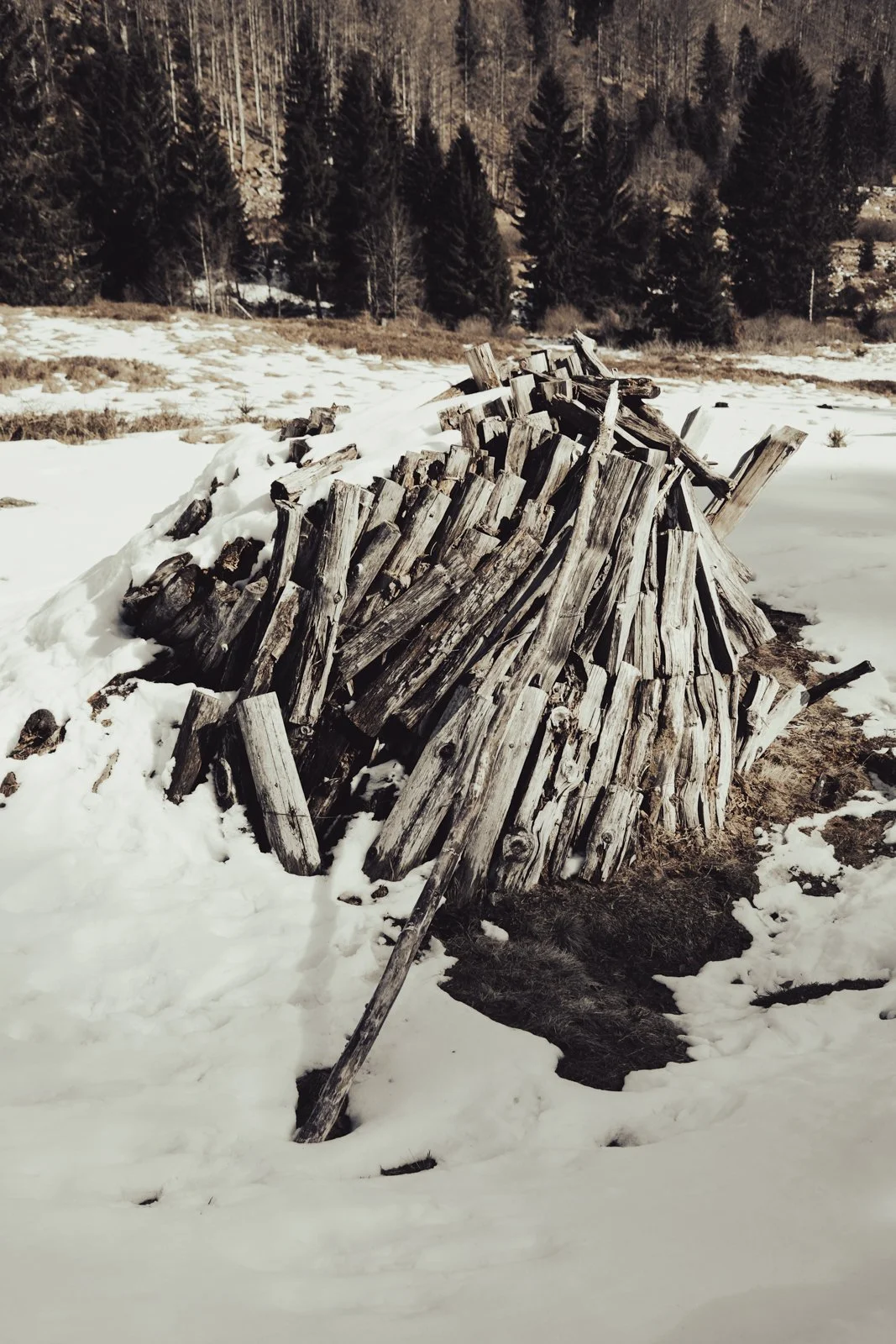
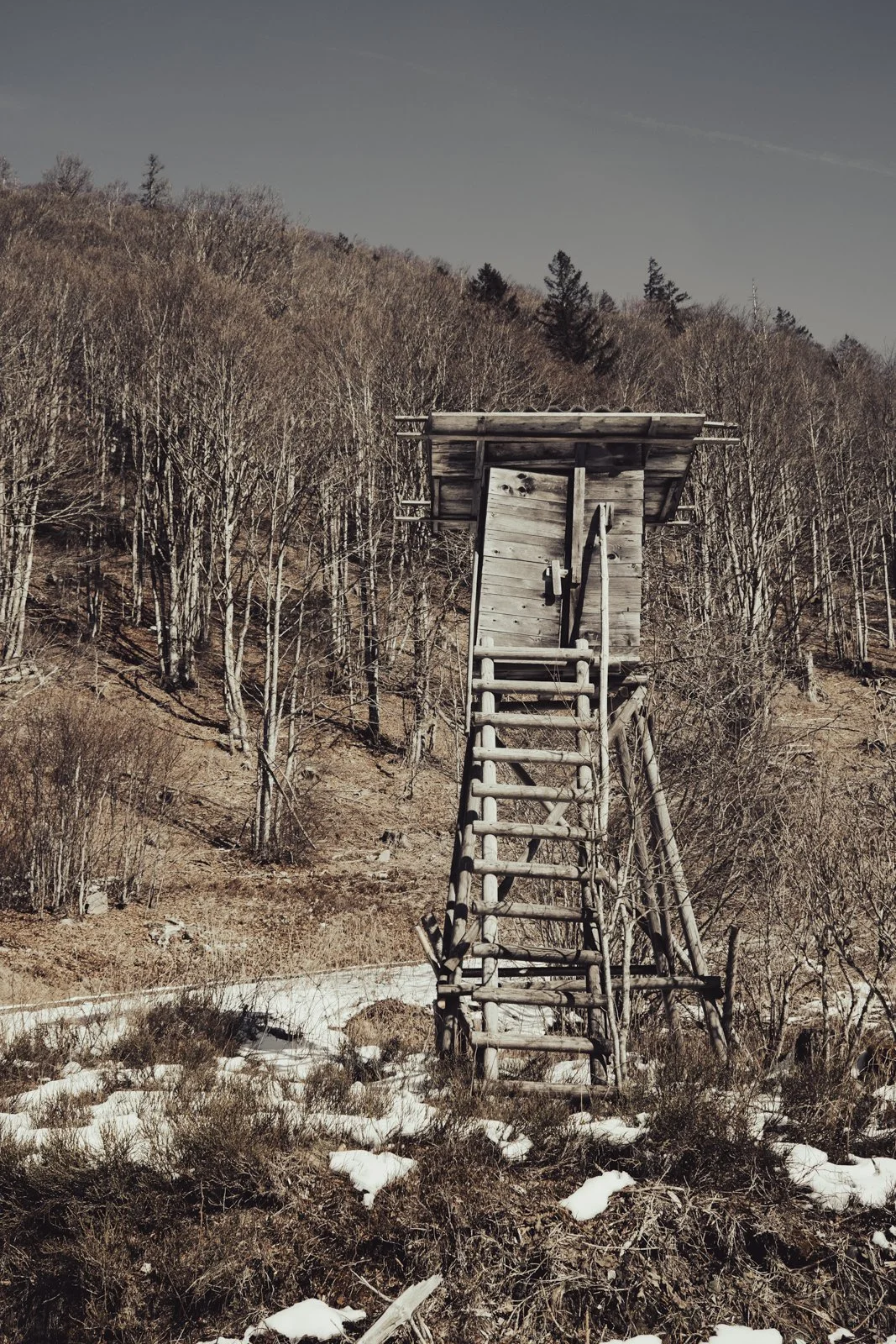
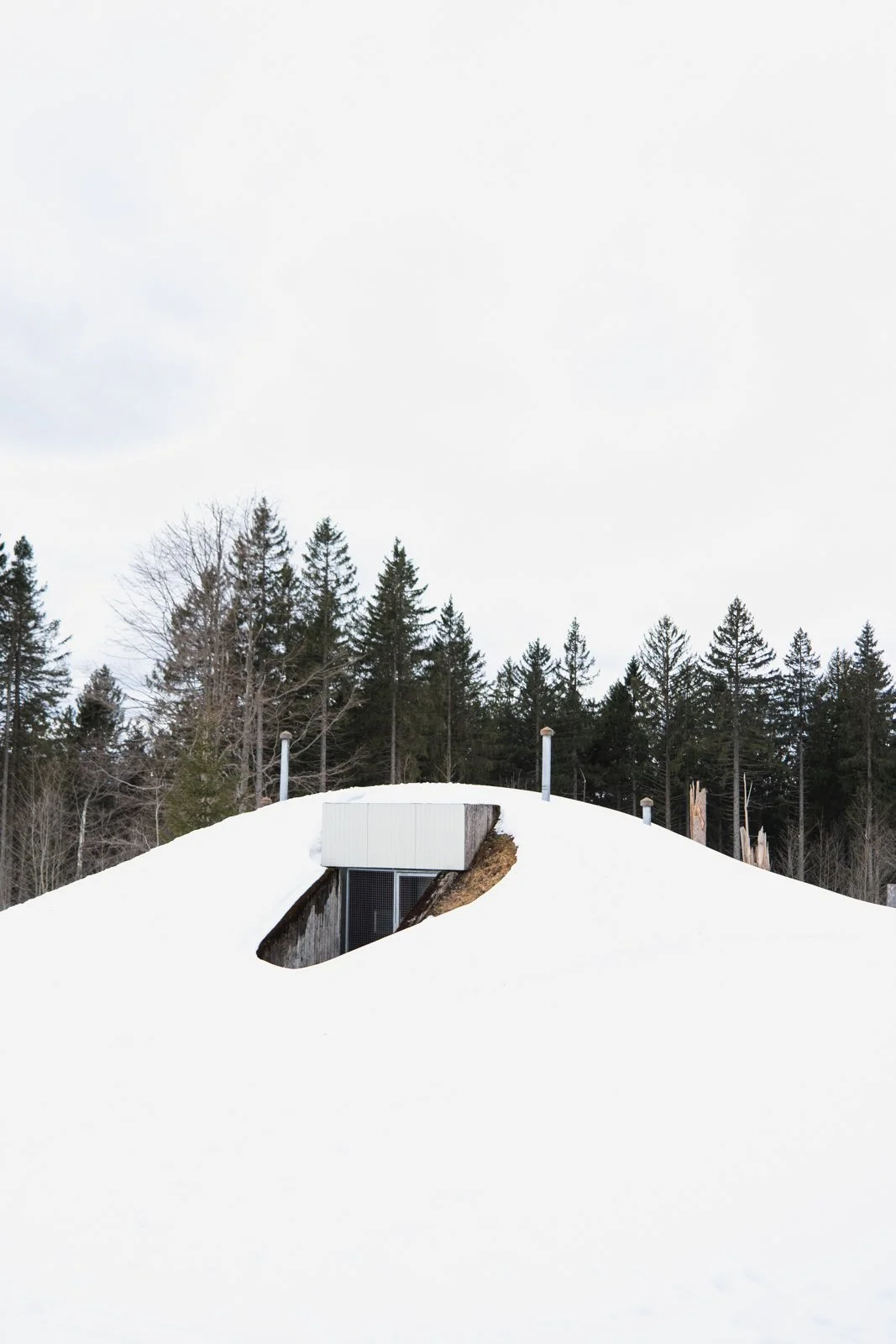
A metaseries moves differently than a series. It does not follow a subject or a place. It follows a tension — the one that runs beneath all the work, the thread that connects a Black Forest landscape to a child's black hair, a sleepless transit lounge to a world quietly preparing for its own end.
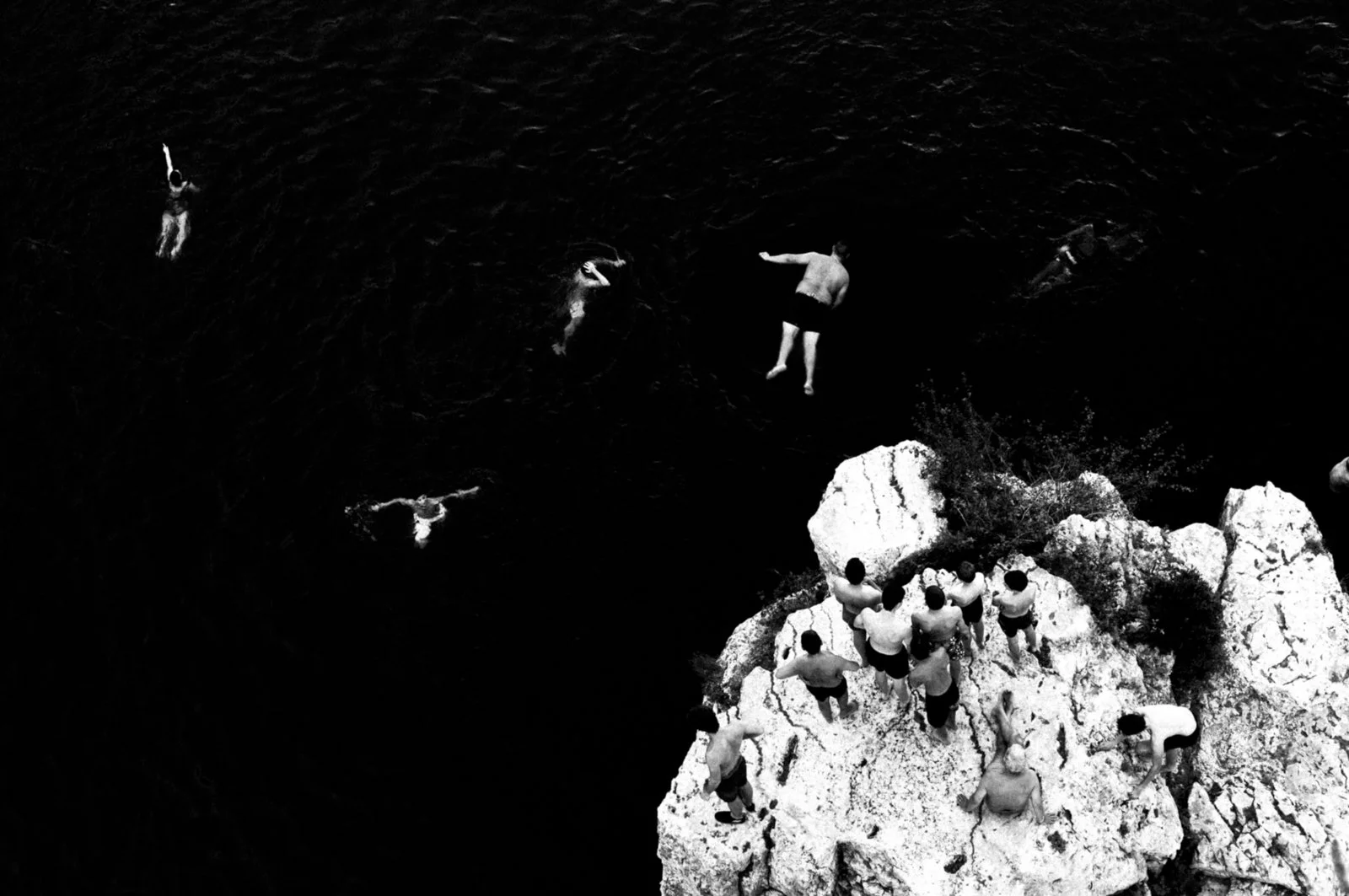
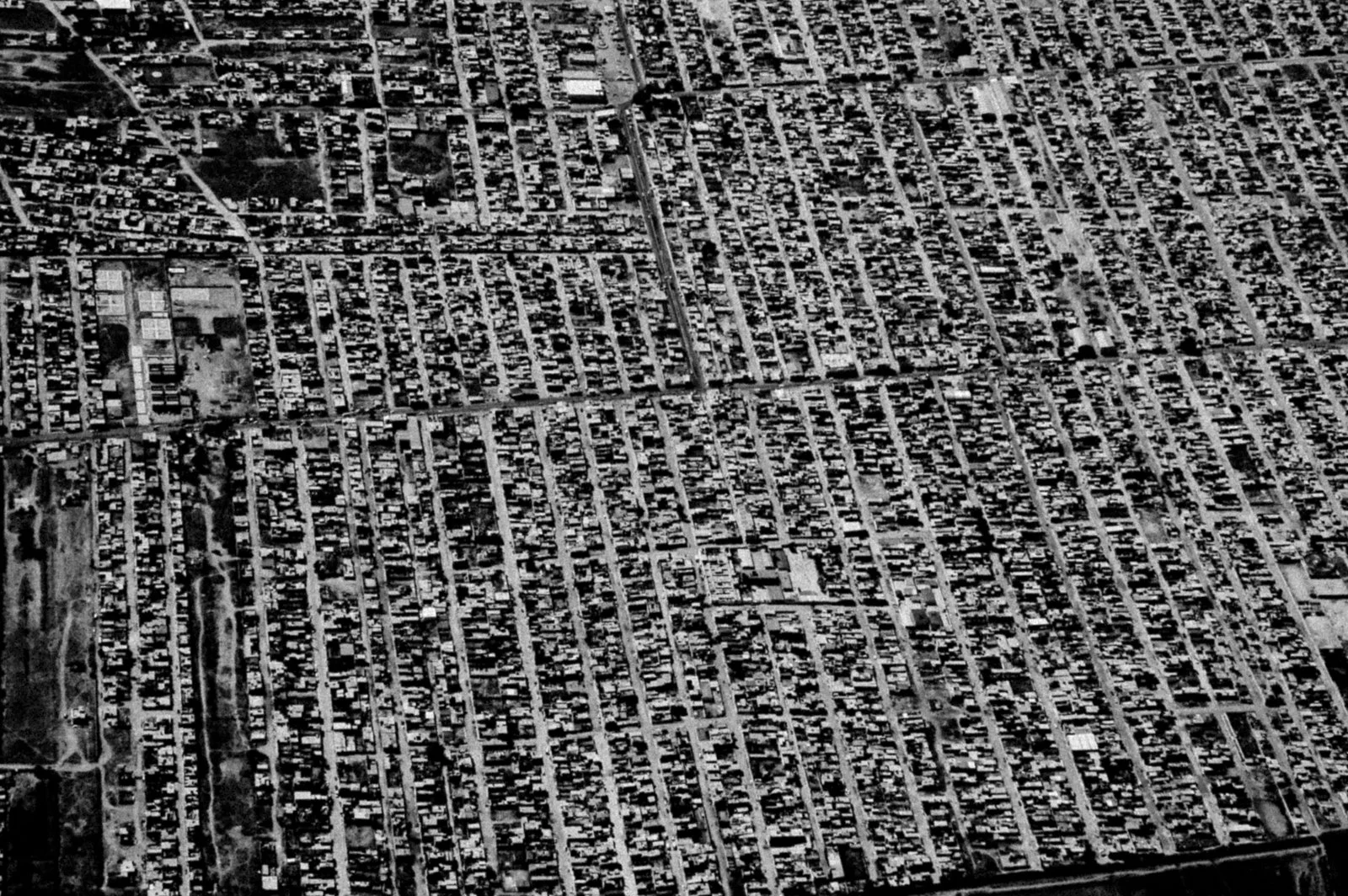
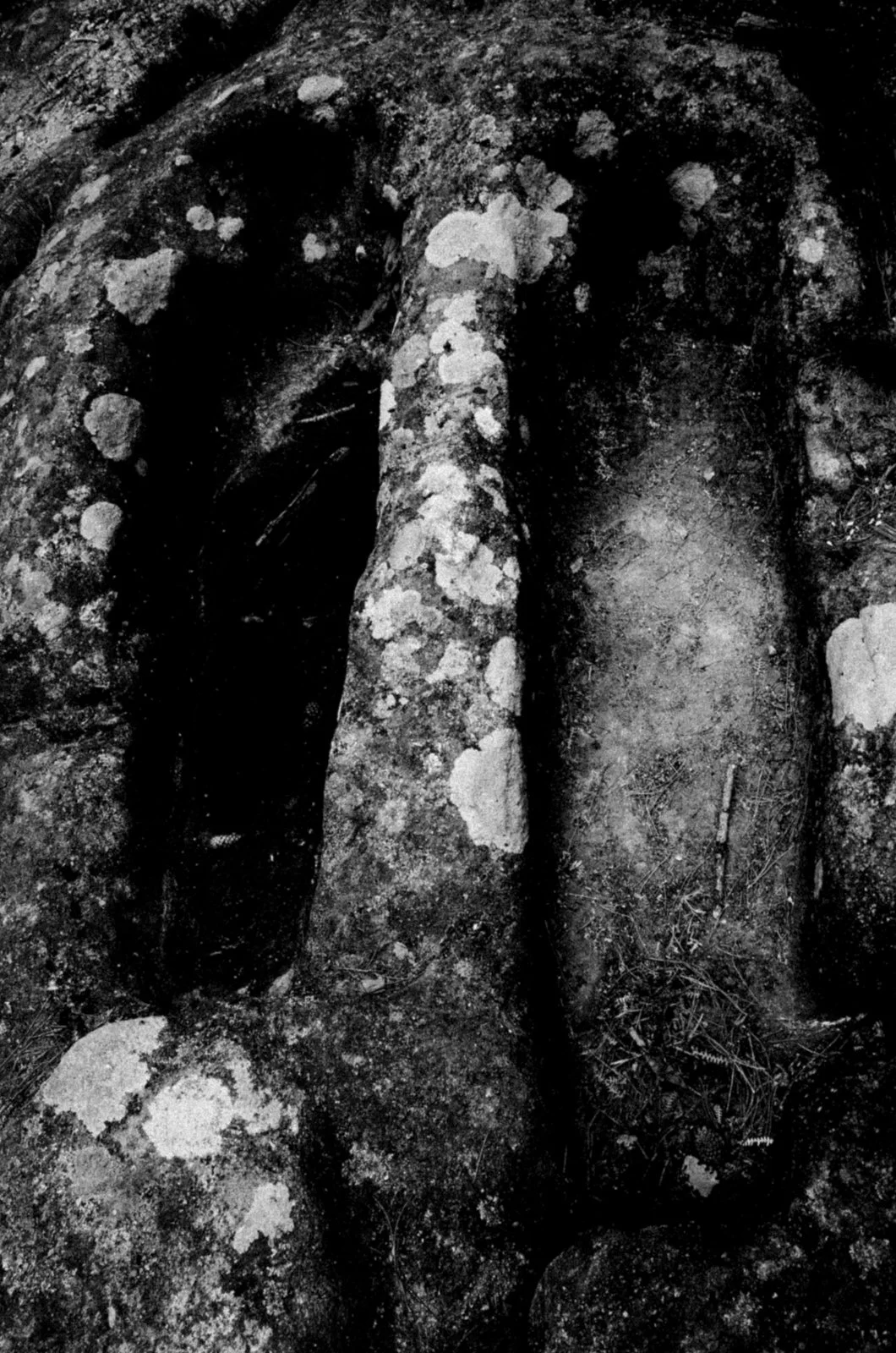
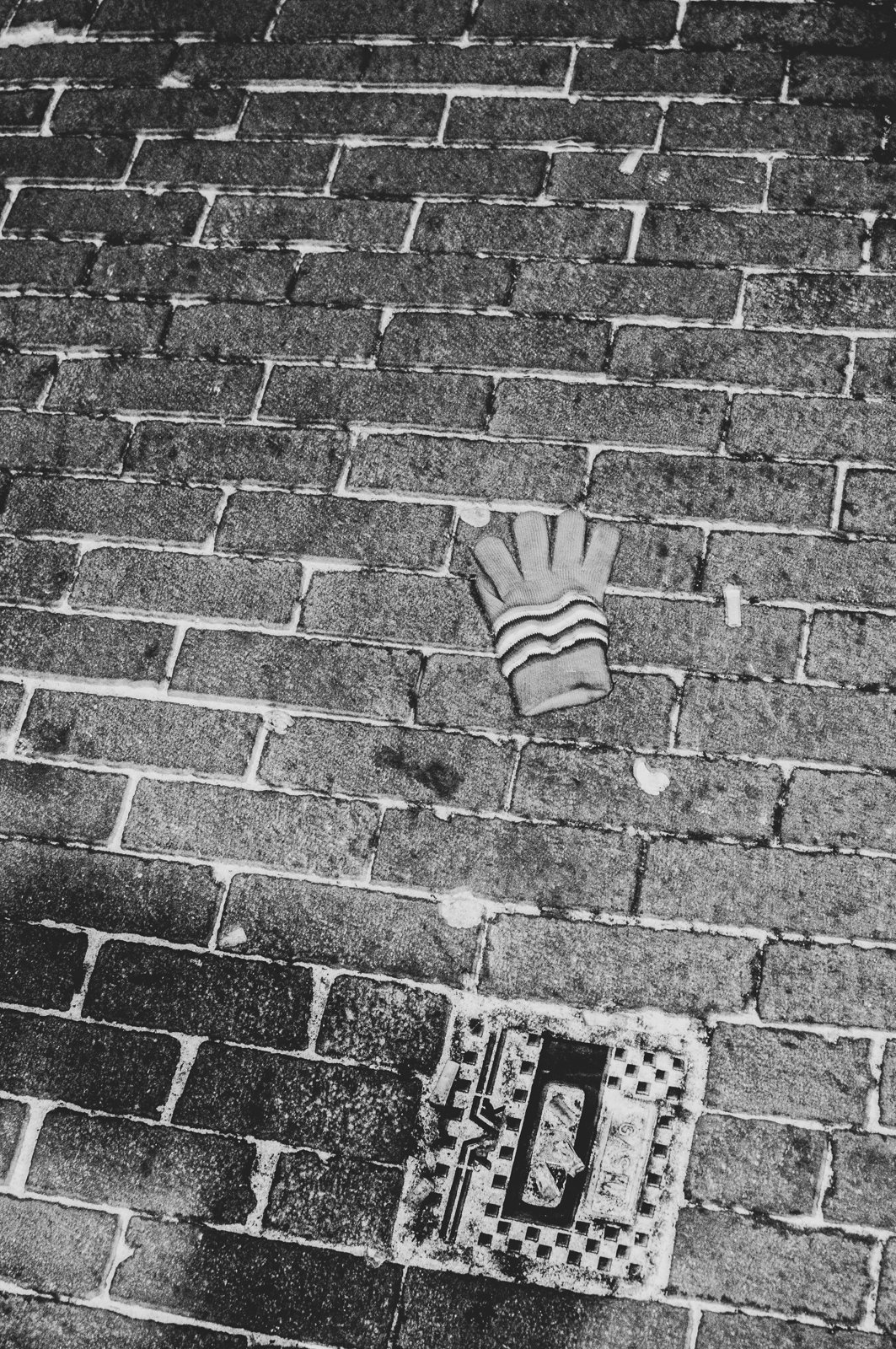
Thirty-six images. Some appear elsewhere in the corpus, seen here in a new light, a new pressure. Others exist only here — made for this sequence alone, made because nothing else could hold what needed to be said.
—
ESCHATON is not prophecy. It is recognition.
The fragile persistence of a world that continues — not because it is safe, but because it does not yet know how to stop.