




METAMORPHOSIS
the passage from childhood to adolescence
She was six when I began. She was twenty-four when I understood what I had done.
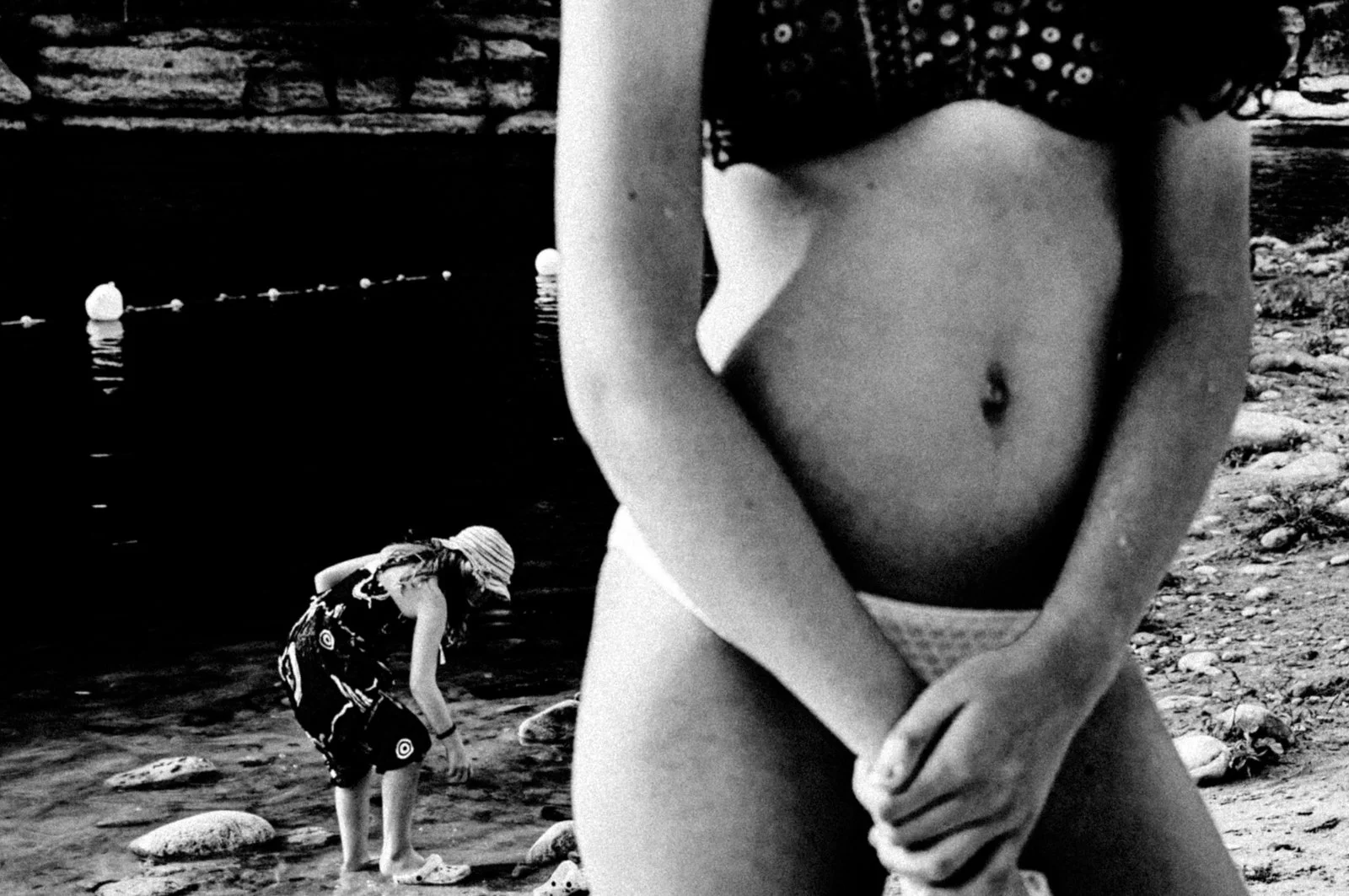
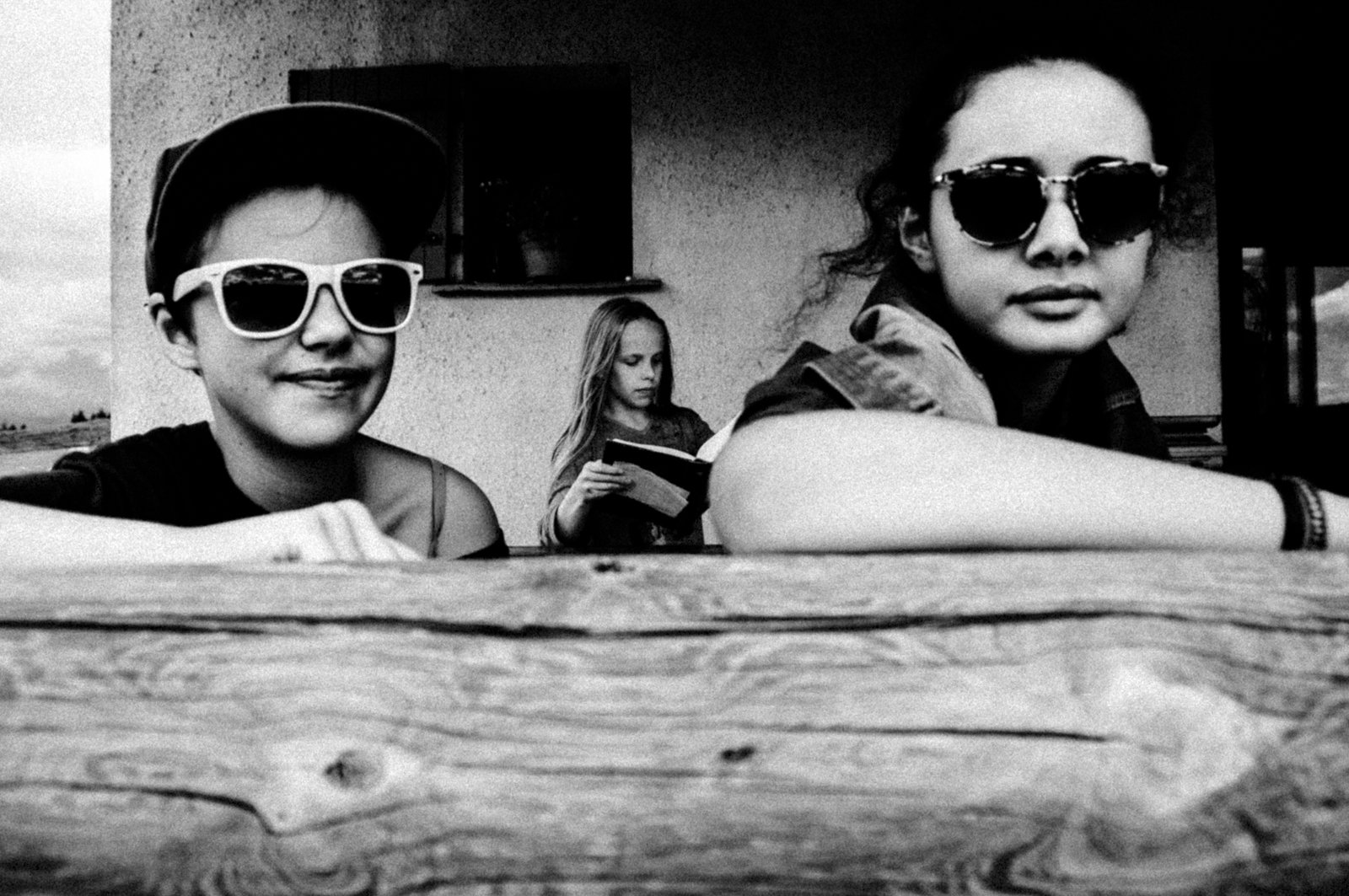
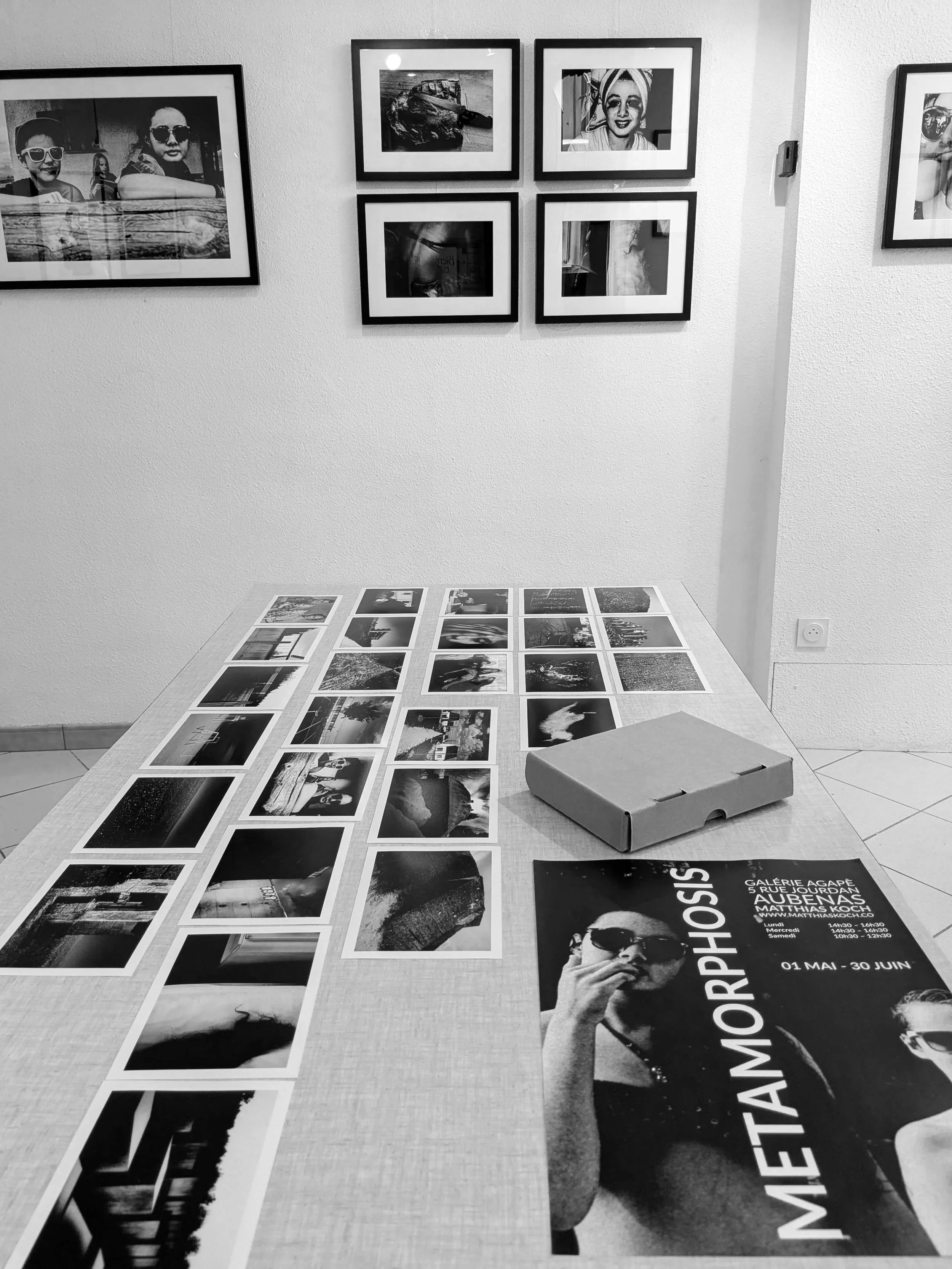
Metamorphosis was never conceived as a series. There was no project, no intention to document anything. There was my daughter, and a camera always nearby. I photographed her as one breathes: instinctively, without knowing why it mattered.
For eighteen years, the images accumulated. A face behind a curtain. Hands too large for a body still growing. A gaze that had changed overnight. I was not making portraits so much as trying to hold on to something already slipping away.
A father with a camera is a photographer who has lost the safety of distance. Each image is a negotiation between looking and loving, between the discipline of framing and the vertigo of watching someone become another person, year after year. I could never step back far enough to understand what I was doing.
Only later, looking through the archives, did the series reveal itself. The images had formed a passage I had never planned: from the unselfconsciousness of childhood, through the guardedness of adolescence, to the stillness of a young woman who has arrived somewhere I cannot follow.
What I see now is a work about disappearance. Not death, but transformation. The child does not die; she becomes. Yet the person she was is gone, irretrievably. The photographs are the only proof of her existence in that former state. Each image is both a rescue and a record of loss.
Black and white removes the warmth of anecdote, allowing these intimate moments to become something more universal: the grain of skin, the weight of a sleeping head, the architecture of a hand. The particular child remains herself, while becoming an allegory of time and passage.
I am aware of the questions these images raise, especially that of consent. What does it mean to photograph someone who cannot yet decide whether to be seen? I have no easy answer. I know only that these images were made in love, not observation, and that the young woman my daughter has become has seen them, recognized herself in them, and agreed to let them exist in the world. That permission is the foundation of the series.
Unlike my other work, which explores history, landscape, and political inheritance, Metamorphosis turns towards a more intimate form of transmission. In Todtnauberg, I photograph what my grandfather left behind. Here, I photograph what I am leaving: not ideas, guilt, or landscapes, but a person.
She was six. She is twenty-four. She is someone I partly made and do not own. The photographs exist in the space between those two truths.
France, 2024
Prints available • Contact for exhibitions and acquisitions. • Published in The Eye of Photography 2024
Prints & exhibition copies Available as limited editions: 40 × 50 cm and 60 × 80 cm. Piezography carbon inks on Hahnemühle Photo Rag 308g. Signed and numbered. Exhibition loans available on request. → matthias.koch@pm.me
Eschaton

Todtnauberg
Unheimlichkeit
Resonances
Twelve Hours
Ardèche