Unheimlichkeit
Something had shifted, and I could not say when. The cities I passed through, the suburbs, the landscapes — they looked the same, but they no longer held. I began photographing not what was breaking, but the moment just before.
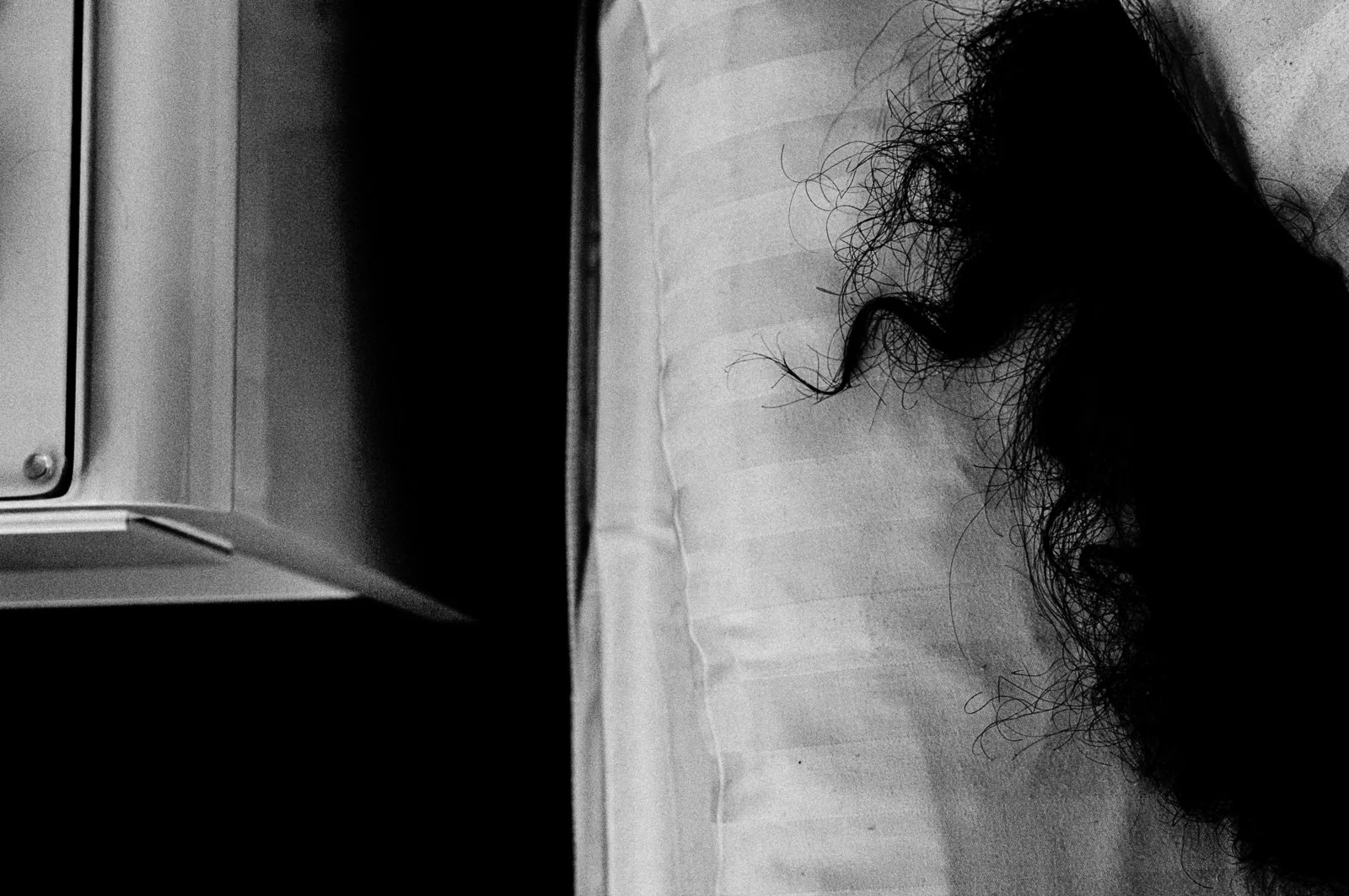
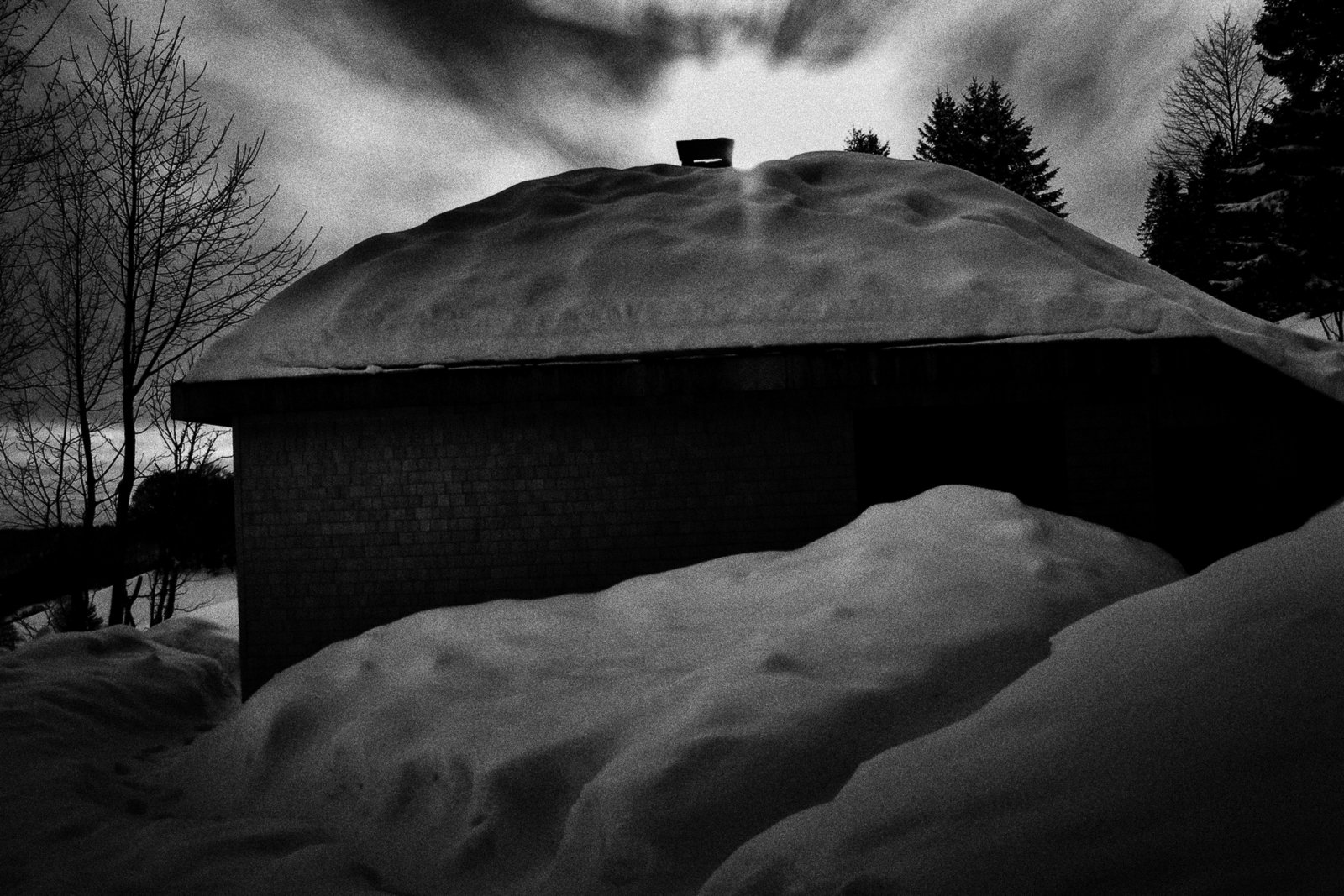
Unheimlichkeit began in the years when I was still traveling for my previous work — moving through cities, suburbs, airports, landscapes that were everywhere and nowhere at once. I was not looking for crisis. I was looking at the ordinary. And what I found there, again and again, was a texture I could not name: a present already saturated with its own fragility, a world that continued to function while quietly preparing for its own disappearance.
The word Unheimlichkeit — uncanniness, unhomeness — names that experience precisely. Not fear, not catastrophe, but the slow recognition that what seemed familiar has become strange. That the structures holding everyday life in place — social, ecological, political — are giving way beneath the surface. Günther Anders saw this decades ago: a world without humans advancing alongside humans without a world. His warnings haunt these images.
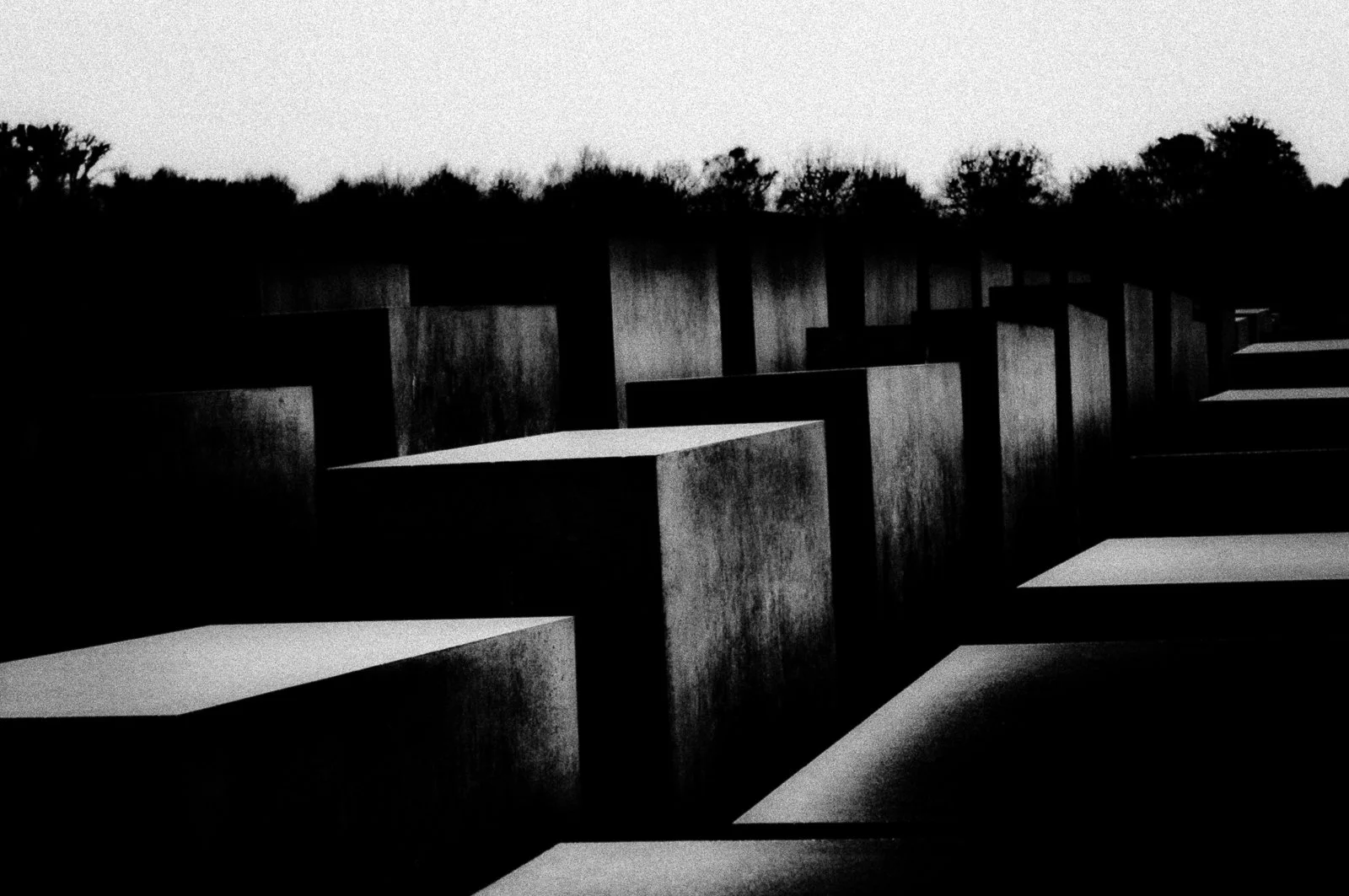
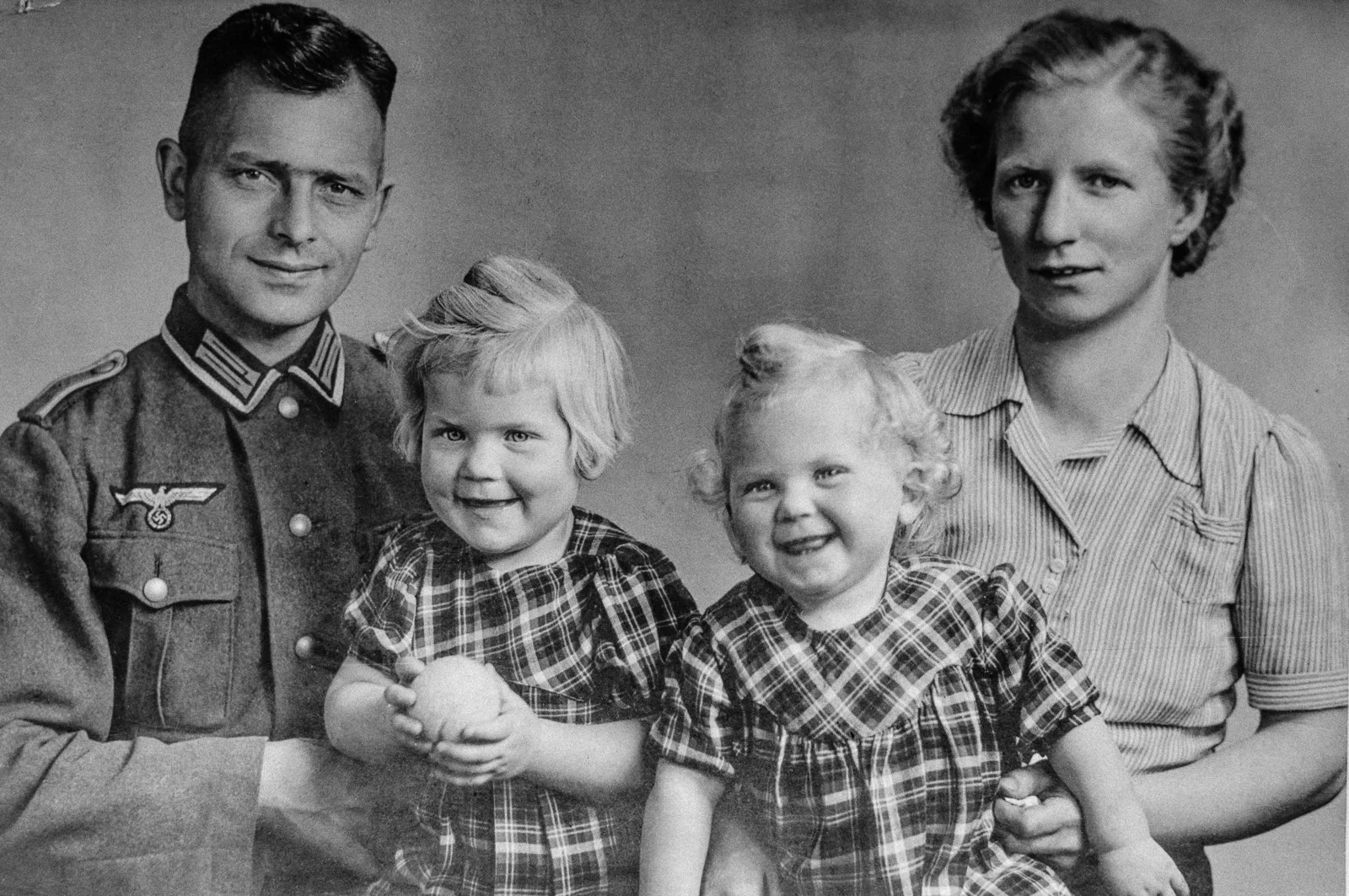
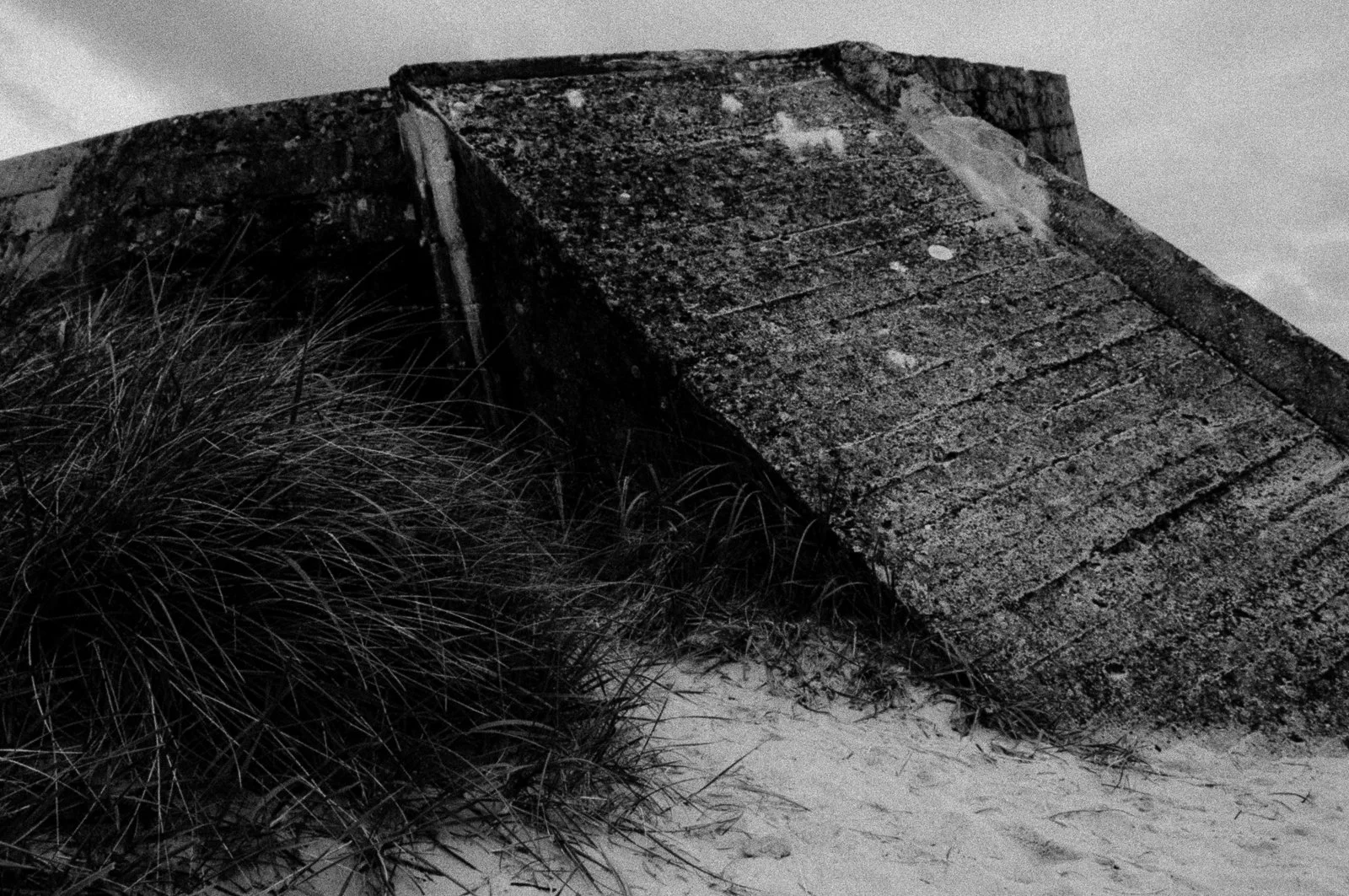
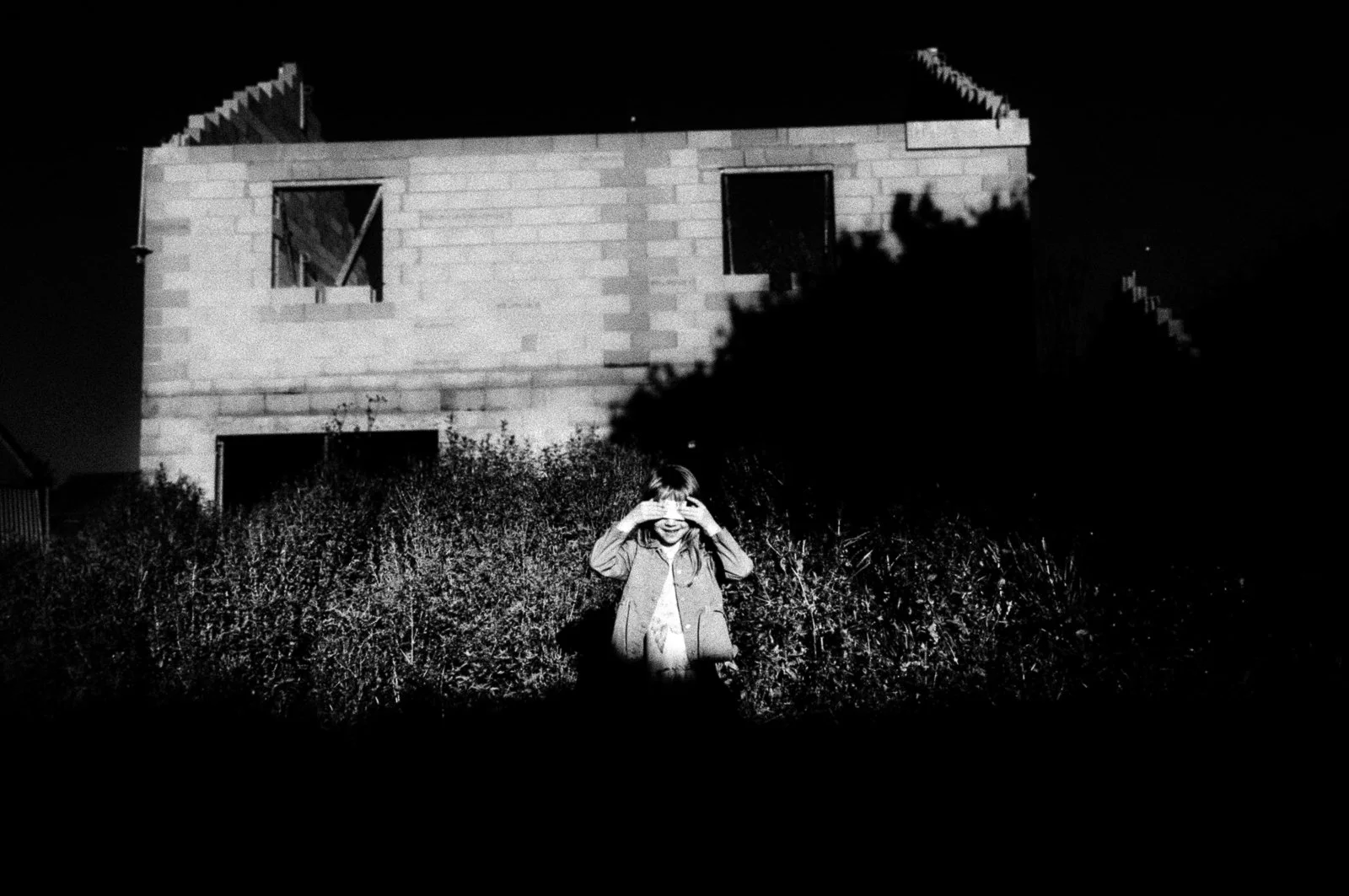
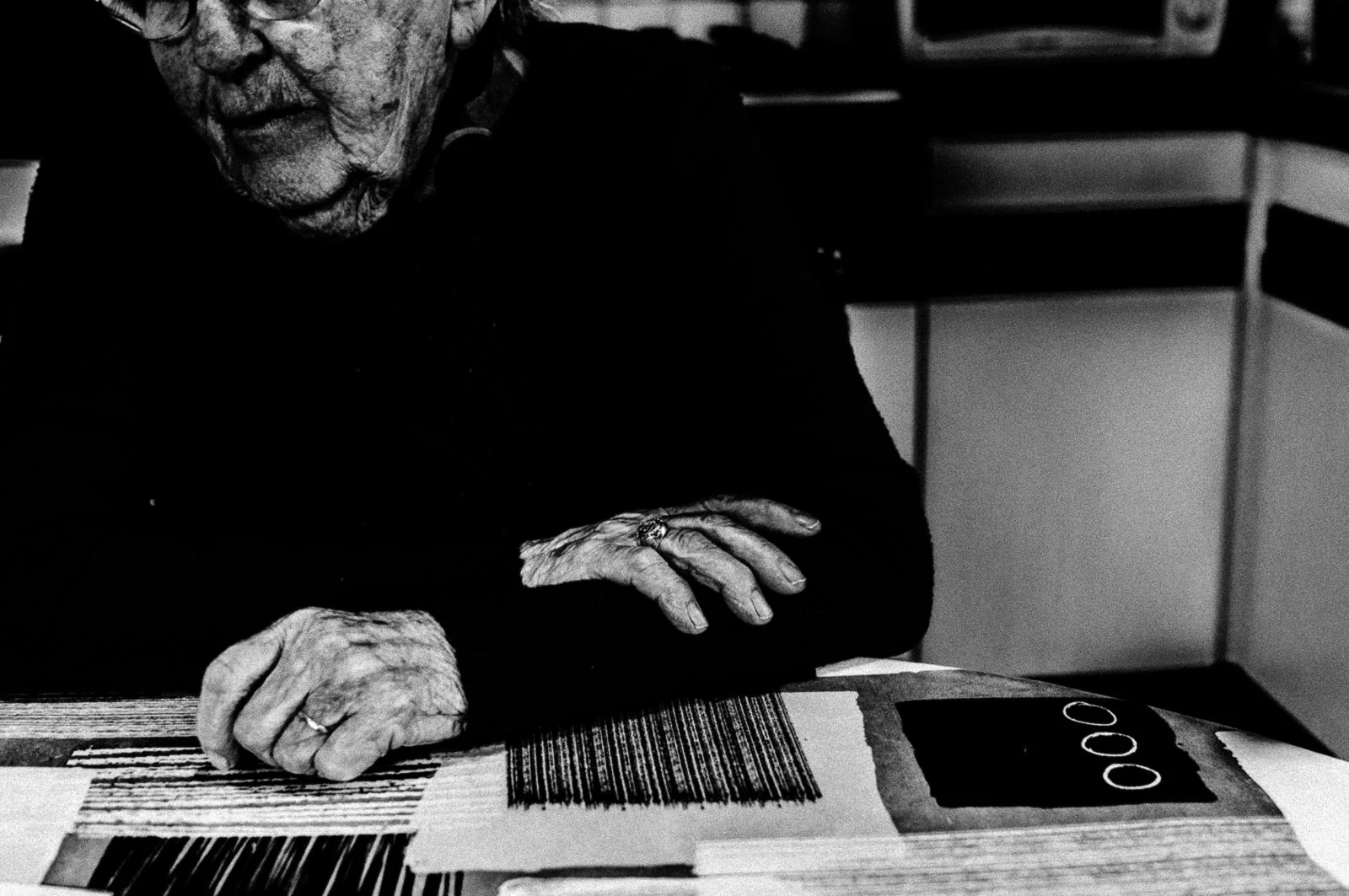
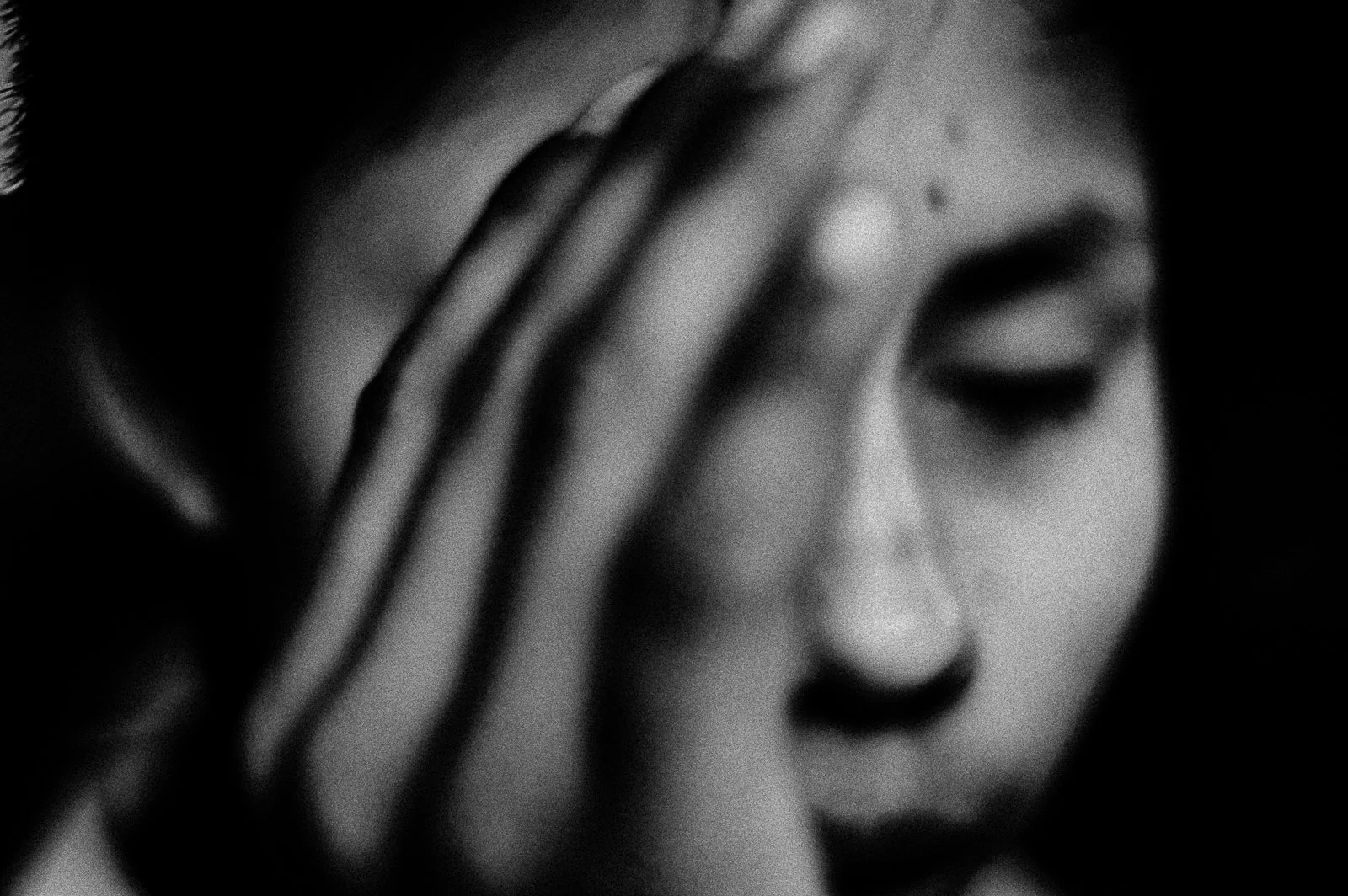
In 1947, a group of scientists created the Doomsday Clock to measure how close civilization stood to annihilation. They set it at seven minutes to midnight. Today it reads 89 seconds. The threats have multiplied — nuclear, ecological, technological — but the response has not kept pace. The COP summits follow one another in their inefficiency. The IPCC continues to call out into the desert. Nothing structurally changes.
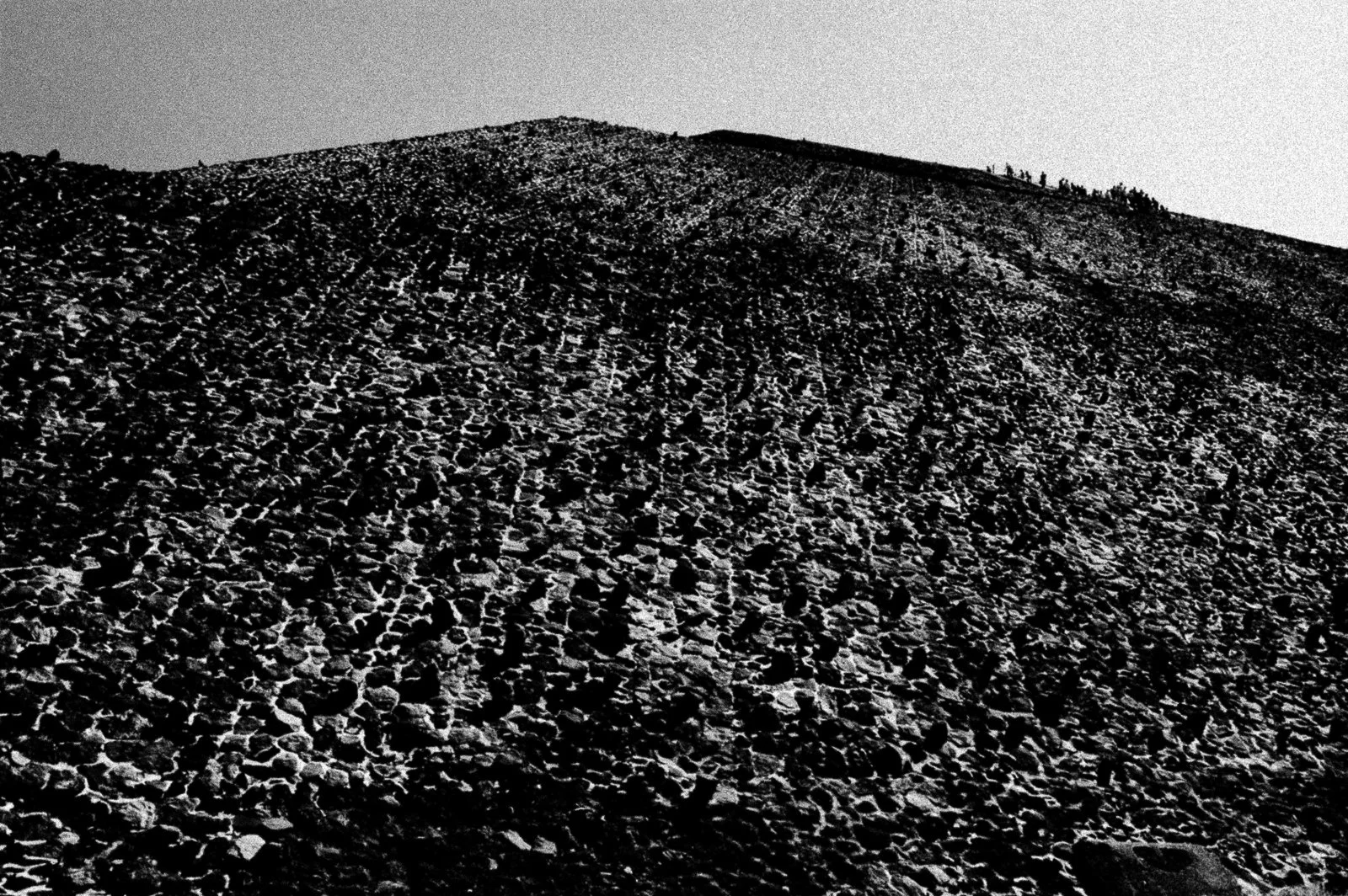
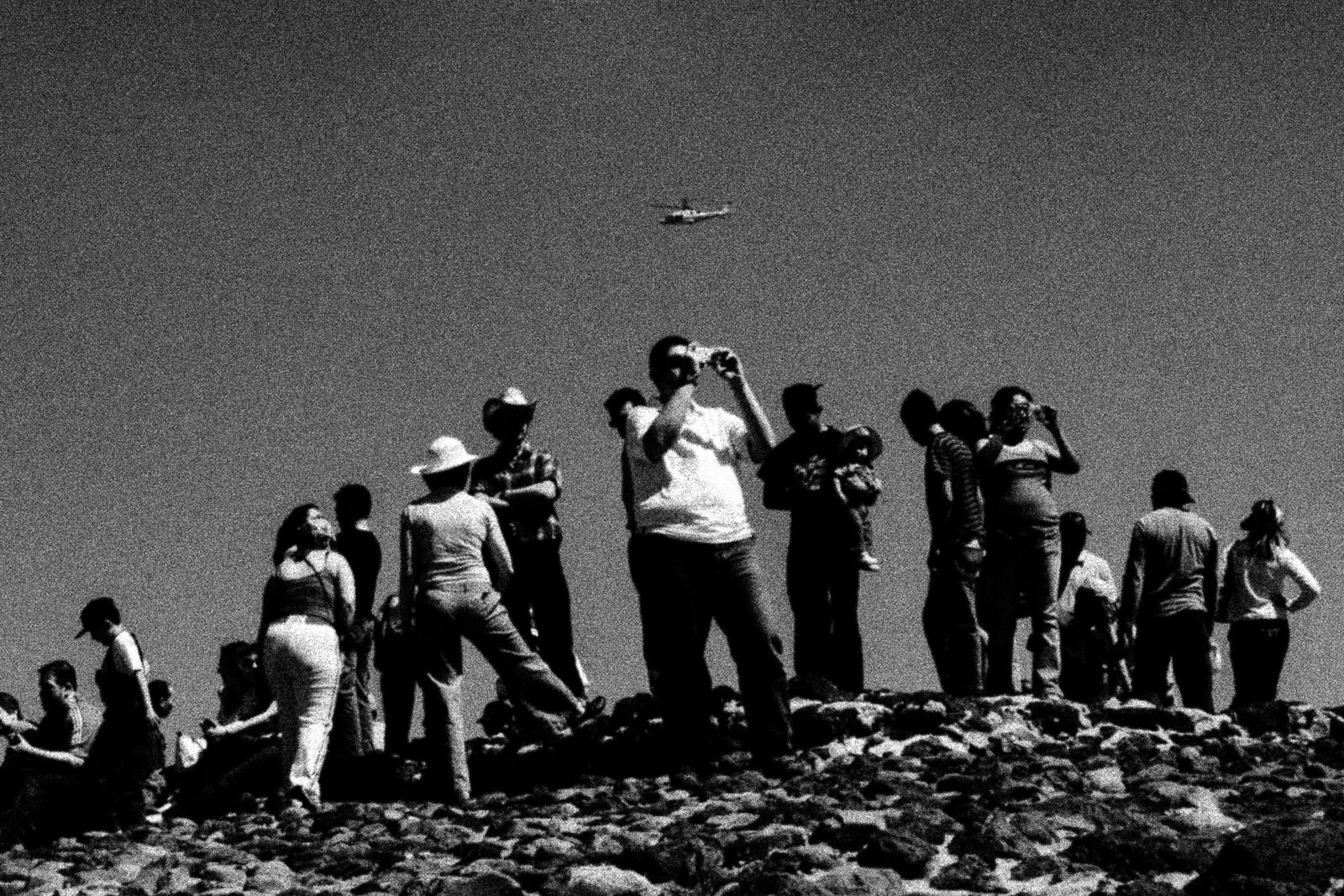
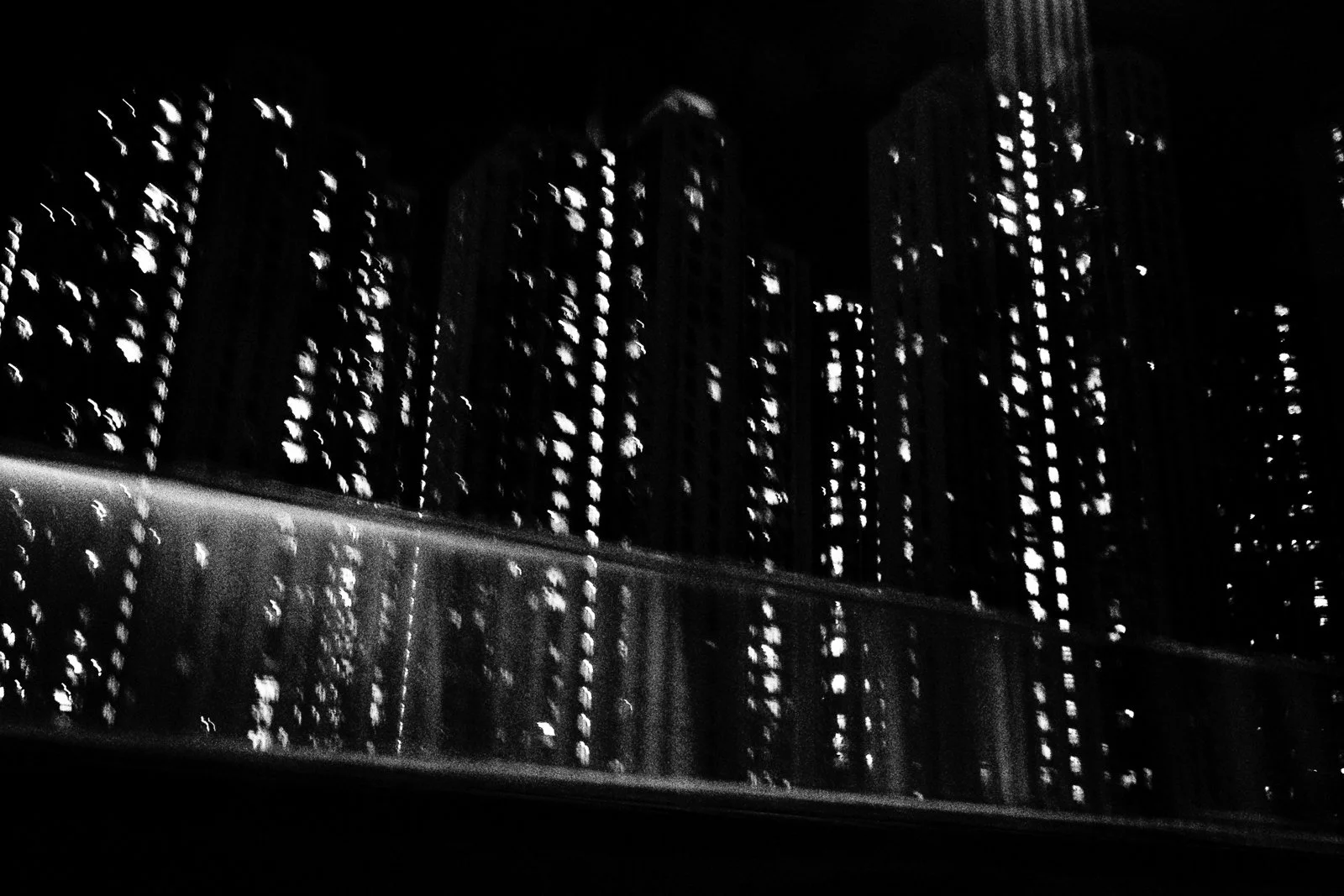
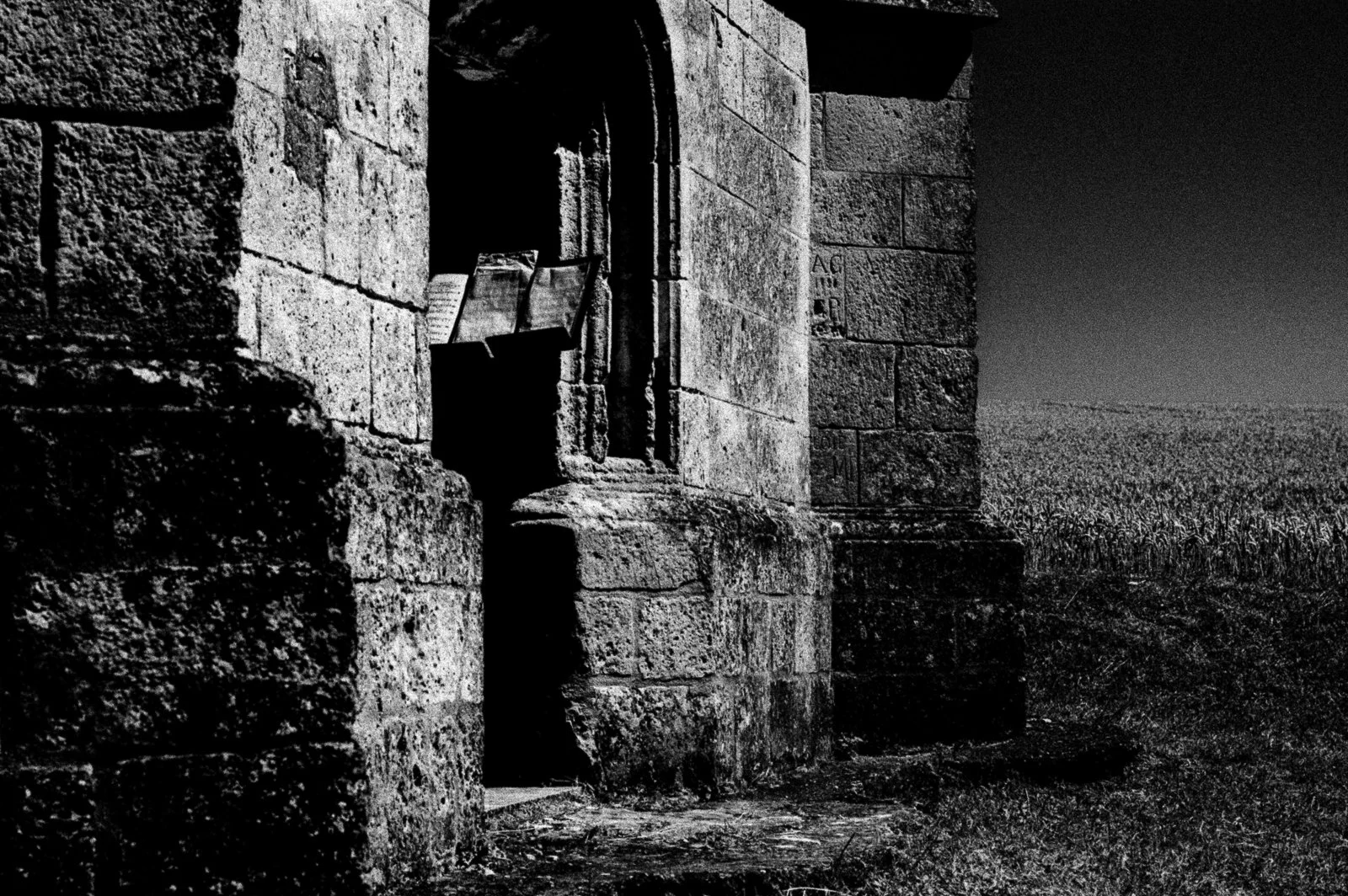
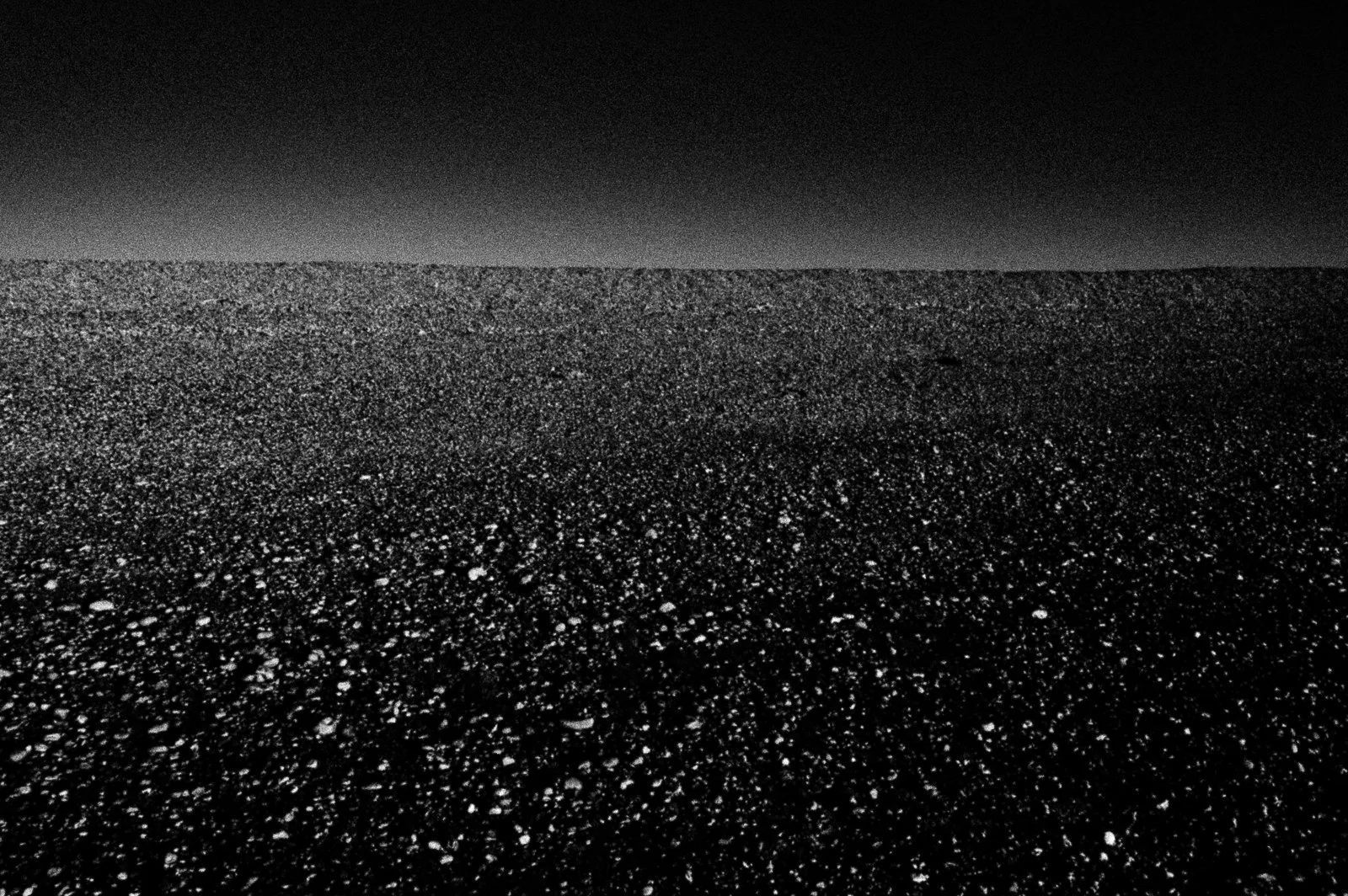
I photographed within that paralysis. Not its spectacular manifestations, but its daily texture: an unfinished building outside Athens that could stand in any failed suburb of any metropolis; a playground at night, emptied of children; old hands on a tablecloth, holding what remains of a life; a parking lot bathed in the flat light of indifference. These are not symbols. They are facts — facts that the black-and-white image lifts from the merely particular into something that concerns all of us.
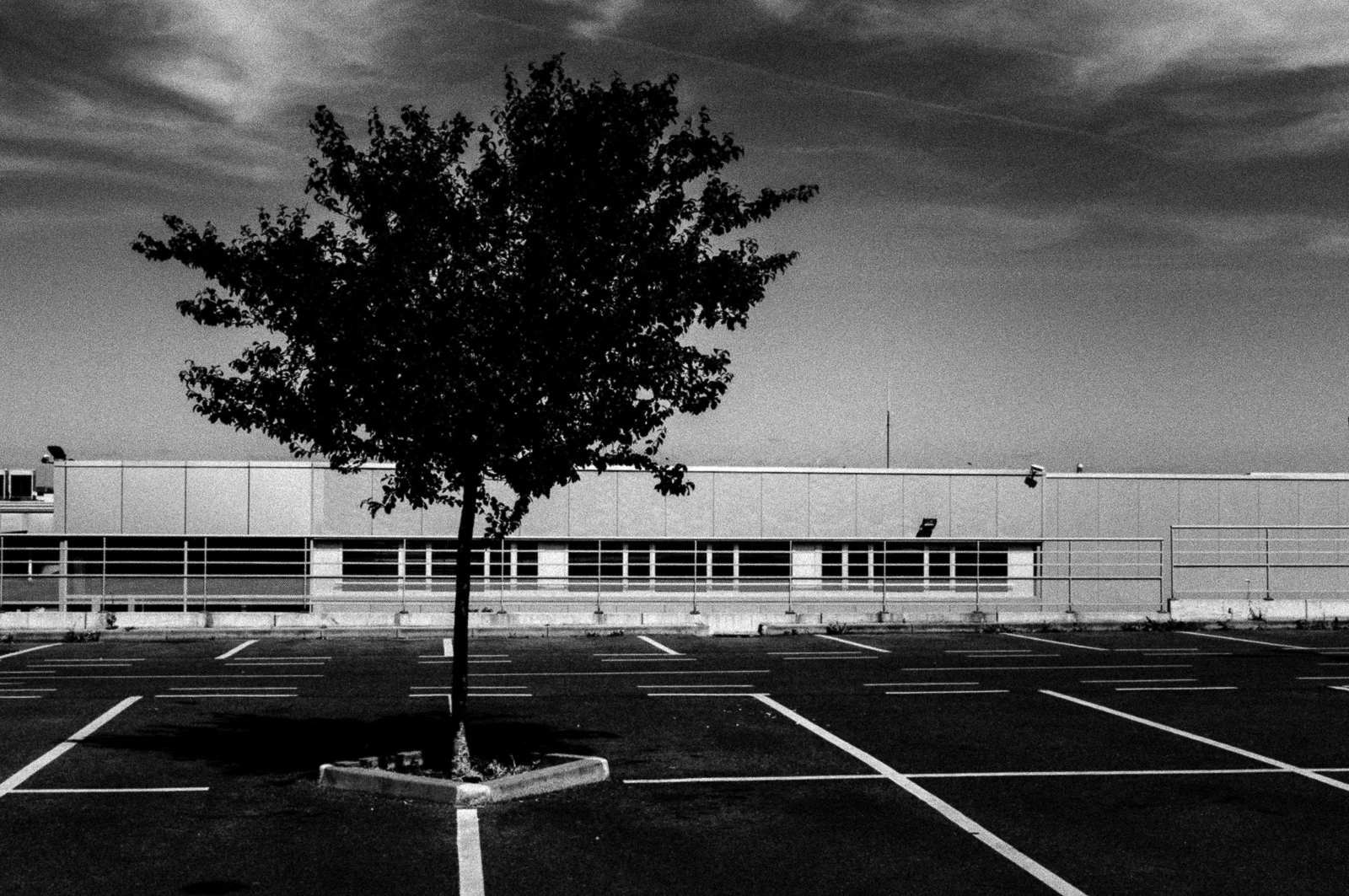
The choice of black-and-white is not aesthetic preference. It is method. As philosopher Claude Molzino has written, black-and-white disincarnates: it distances, it abstracts, it reveals what colour, with its seductive immediacy, would conceal. Colour says look where I am turned. Black-and-white says look at me — at the image as thought, as construction, as act of reading. It is the condition under which photography becomes writing — graphie — and the condition under which a philosopher could enter into dialogue with these images.
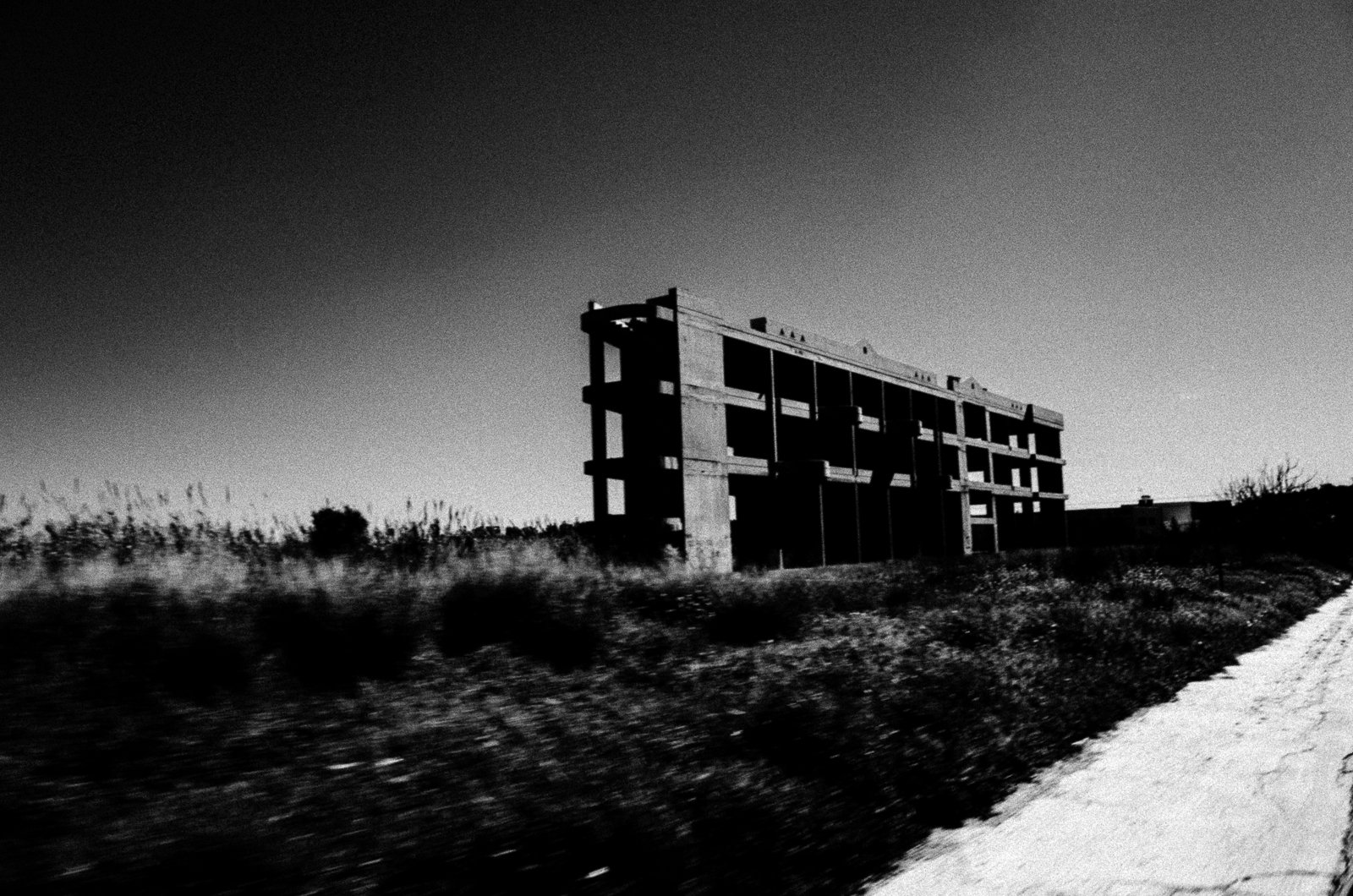
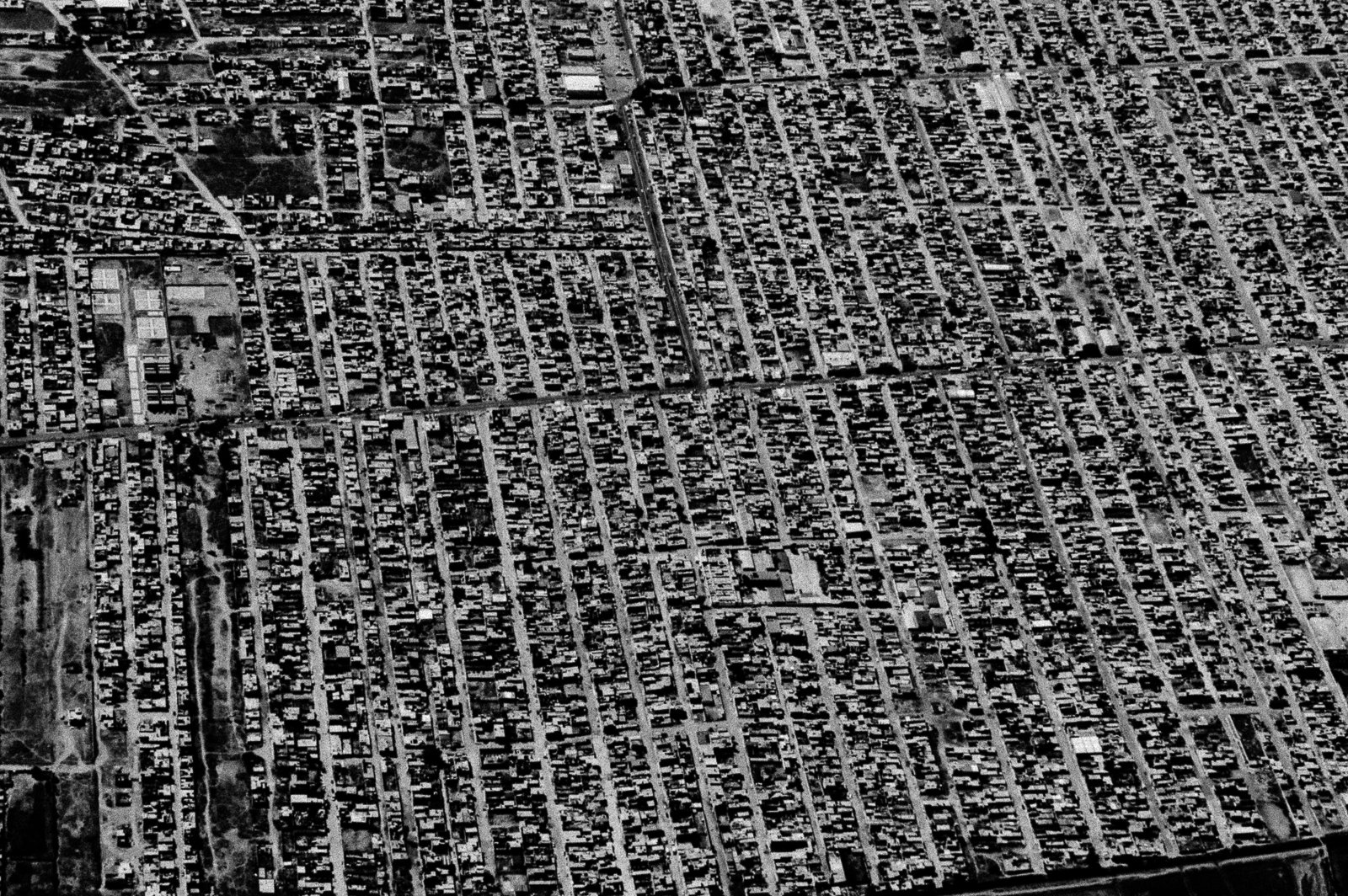
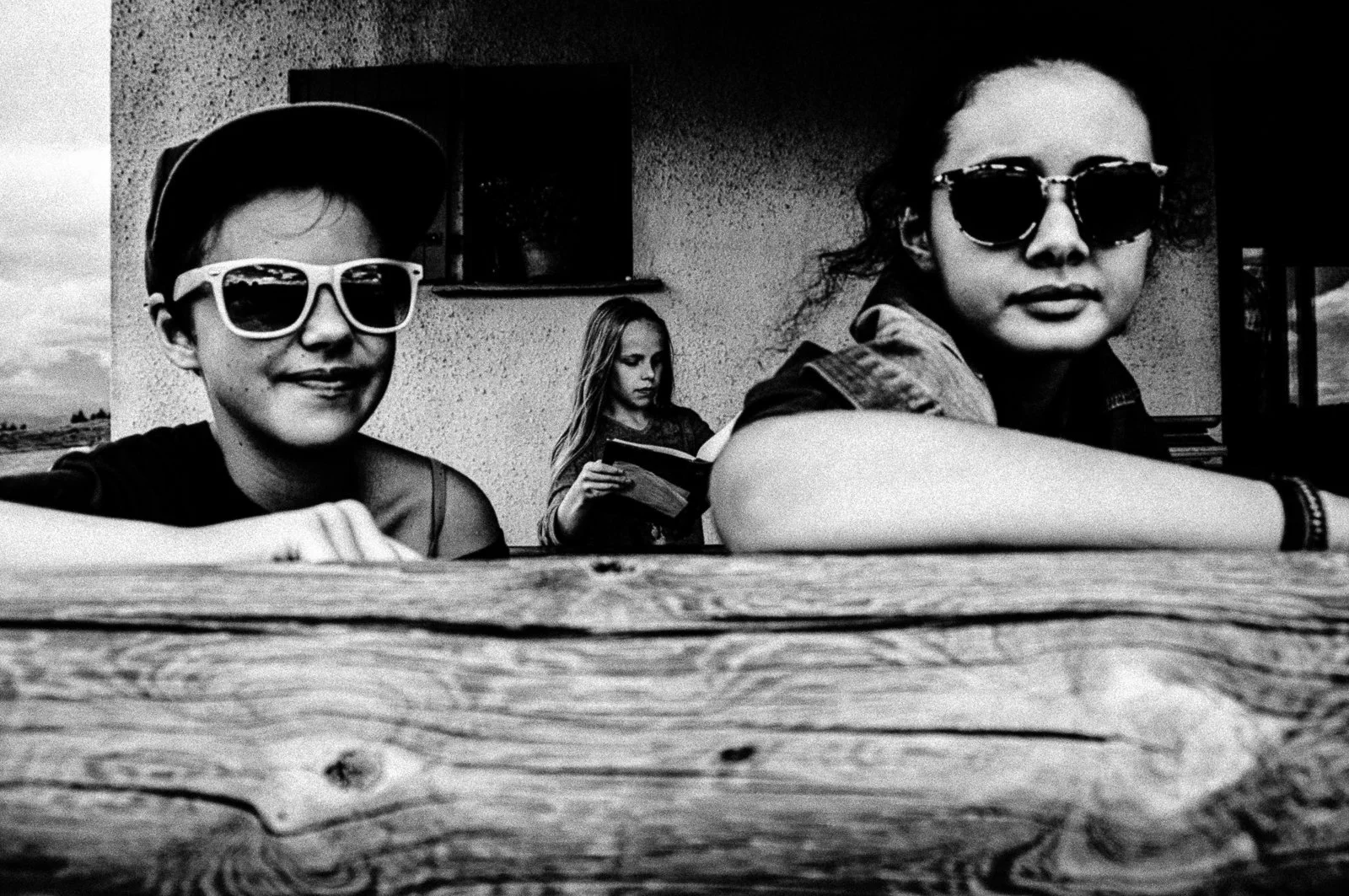
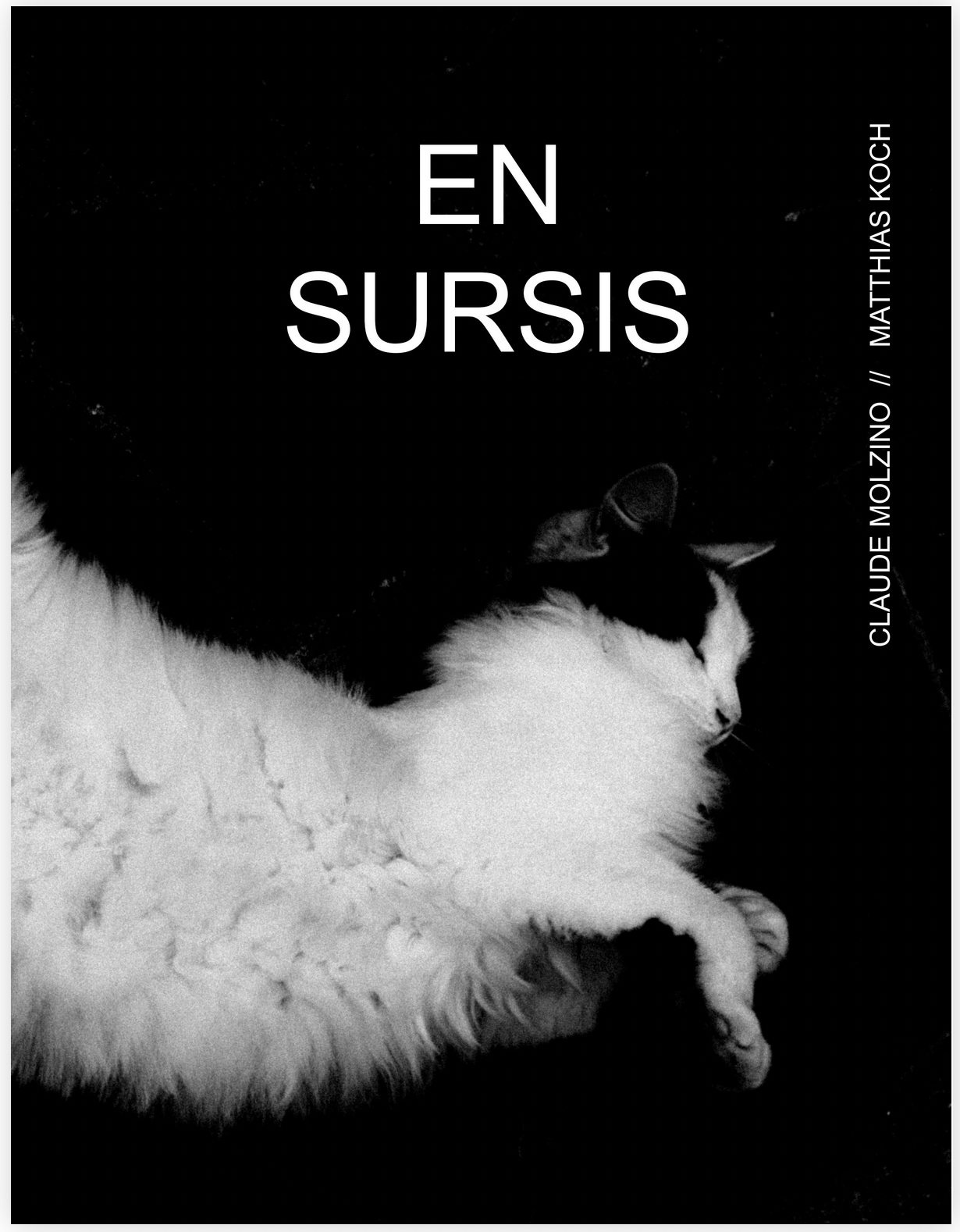
That dialogue became Figures d'un monde en sursis, published by L'Harmattan in 2018. Claude Molzino and I shared the same unease about the world we inhabited, and the book grew from the conviction that photography and philosophy, each in its own way, could approach what neither could say alone. The photographs were not illustrations of her analysis, nor was her text a commentary on my images. We worked in parallel — the camera's marginal gaze and the philosopher's marginal thought converging toward the same ethical demand: to refuse to look away.
Molzino draws on Heidegger, Anders, Barthes, Schürmann to show that these photographs do not merely preserve the past — they make the future visible. In the faces of adolescents wearing dark glasses, she sees disappearance at work. In a child covering her eyes and smiling before an unfinished house, she reads the coincidence of innocence and ruin. The photographic act, she argues, has a phenomenalizing virtue: it makes visible more than it shows. When a subject becomes allegory — without losing its singularity — something is revealed that exceeds any single image.
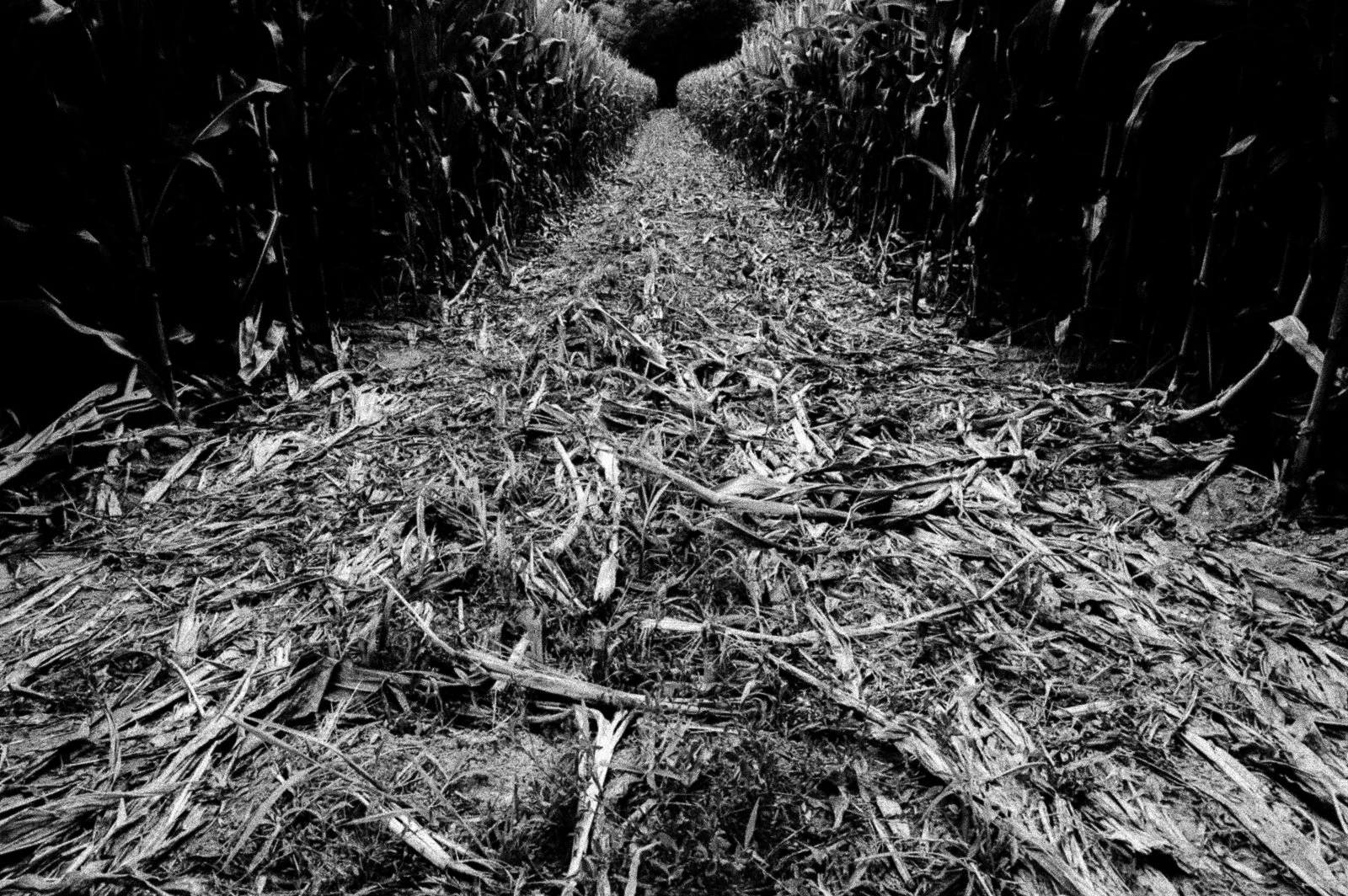
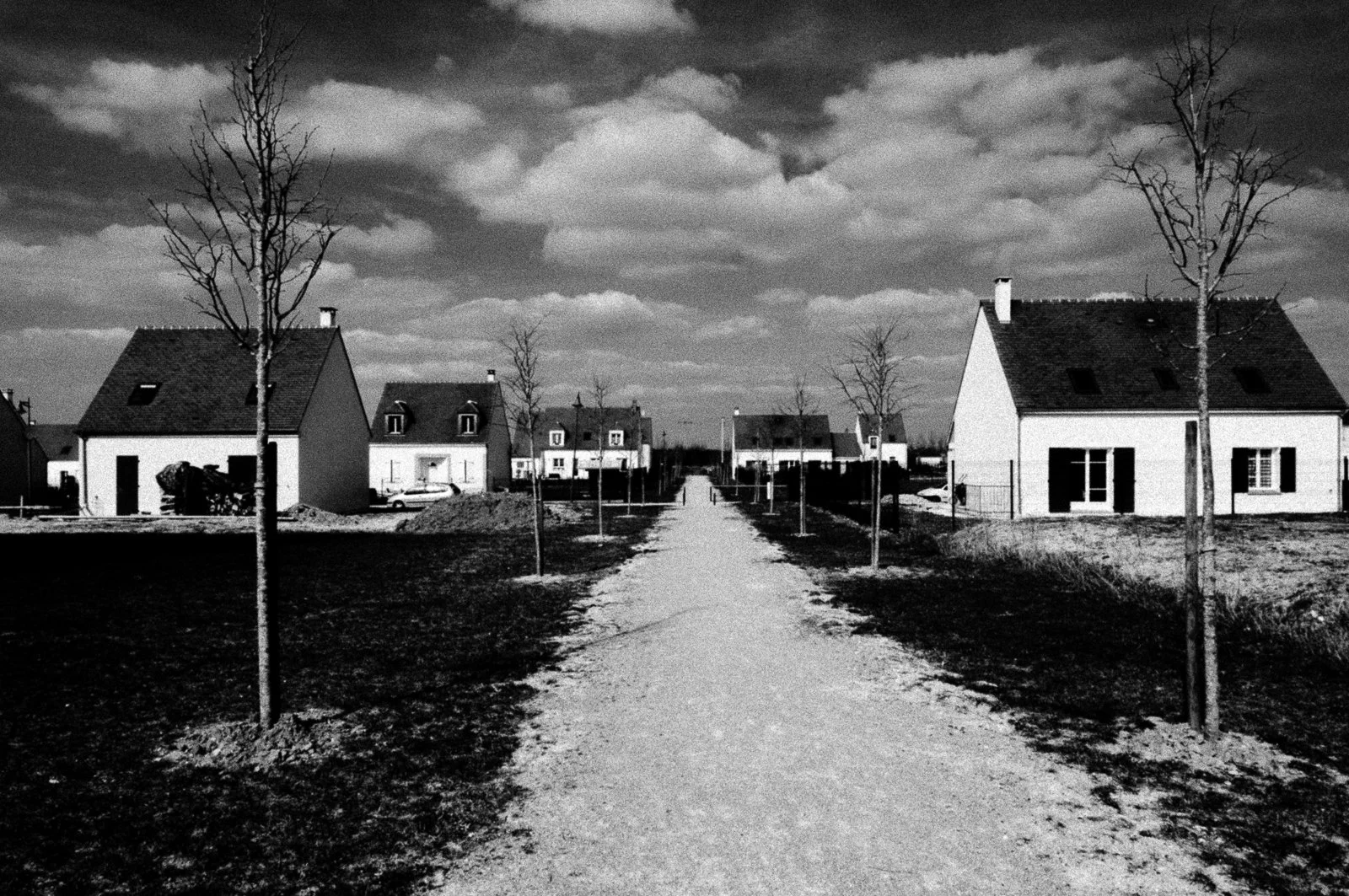
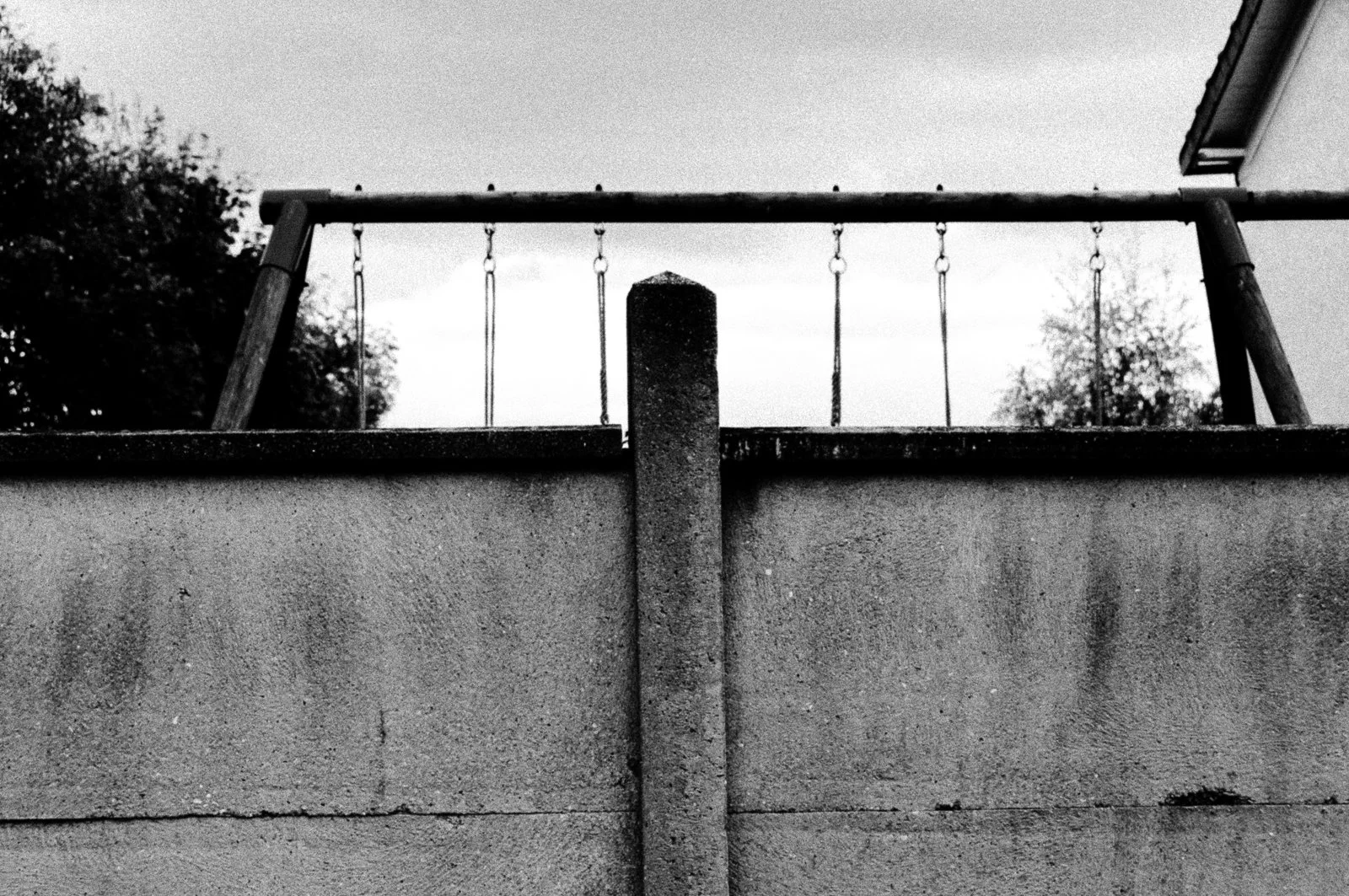
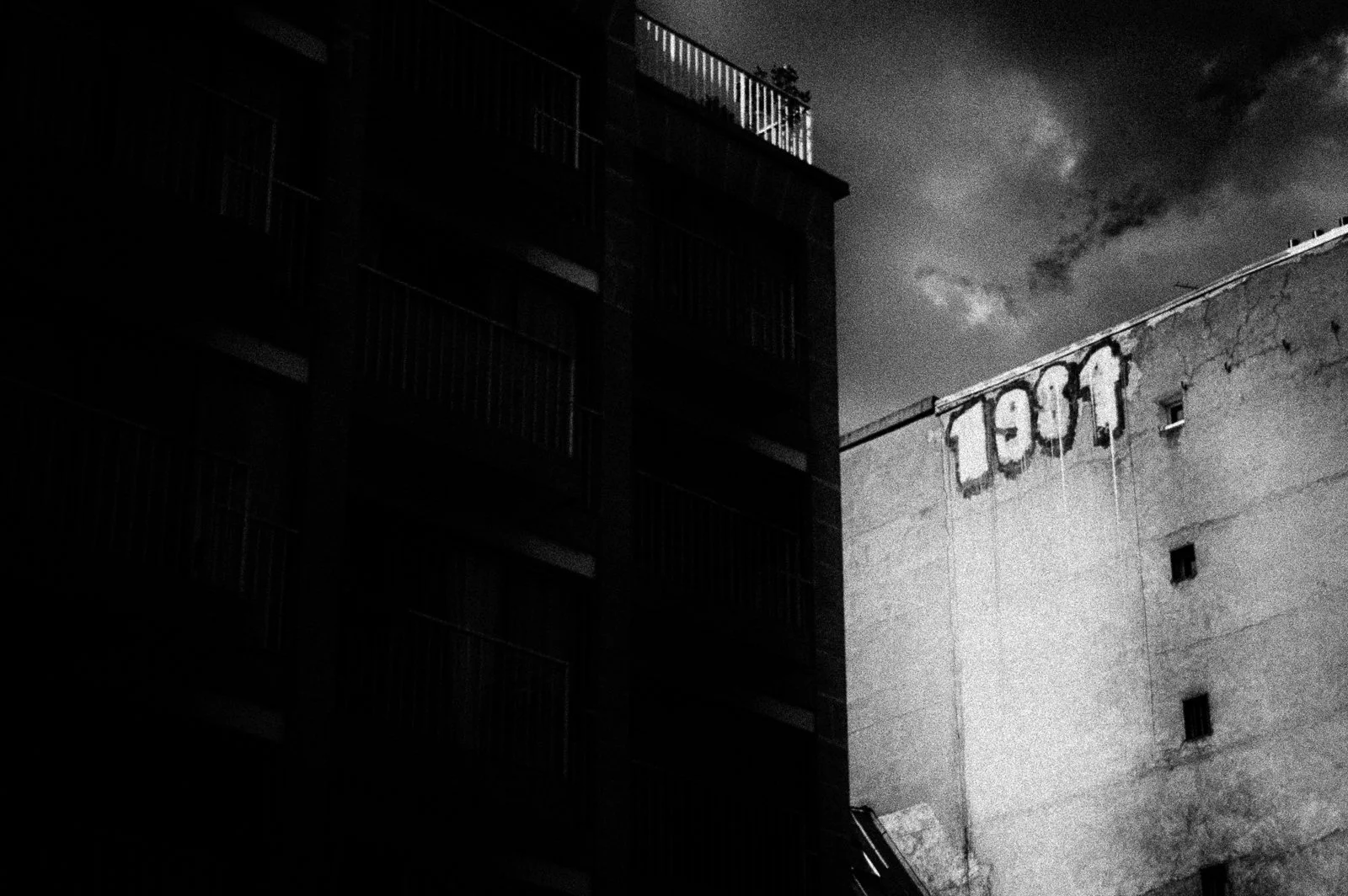
The series was exhibited at La Ferme, Aubenas, in 2026, eight years after the book's publication. Those eight years changed nothing and everything. The clock advanced. The threats deepened. The images, made between 2006 and 2016, had not aged — they had simply become more legible. What once might have seemed like a photographer's pessimism now reads as precision.
But Molzino insists — and I agree — that these are not despairing images. To detect light, one must enumerate the dark passages. The awareness of destruction is not the acceptance of destruction. The photographer's gesture, in its patient attention to what persists — a cat on its back, a woman's worn hands, a child reading in the sun — is itself an act of resistance. Not loud, not heroic. Simply the expression of a coherent existence, whose only purpose is to live.
Sursis — reprieve, borrowed time — is not a deadline. It is our present, understood as a suspension that may last a long time. These images inhabit that suspension. They do not announce the end. They register the fact that we continue — fragile, unguarded, still here.
Prints available · Contact for exhibitions and acquisitions . Exhibition Aubenas — La Ferme, 2026 - Edition “Figures d’un Monde en Sursis 2018
Prints & exhibition copies Available as limited editions: 40 × 50 cm and 60 × 80 cm. Piezography carbon inks on Hahnemühle Photo Rag 308g. Signed and numbered. Exhibition loans available on request. → matthias.koch@pm.me