

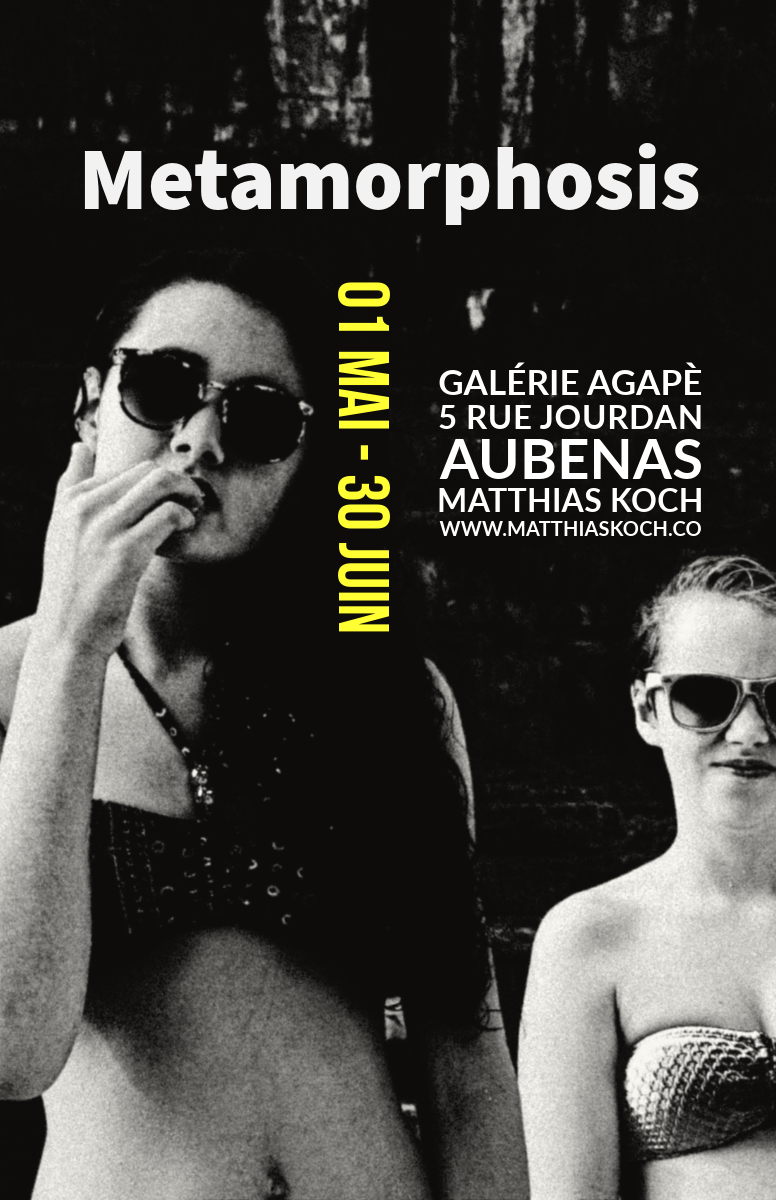
METAMORPHOSIS
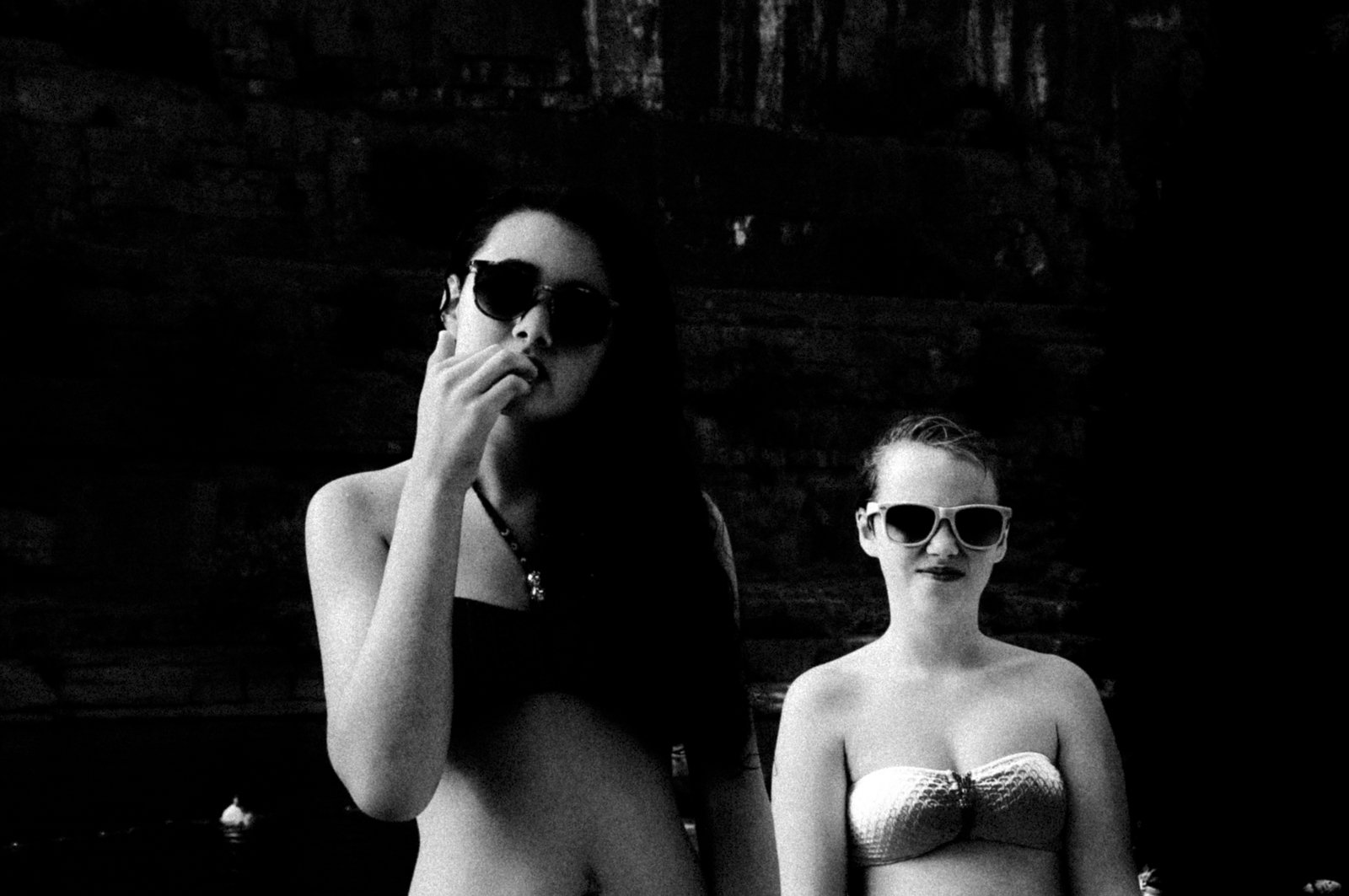
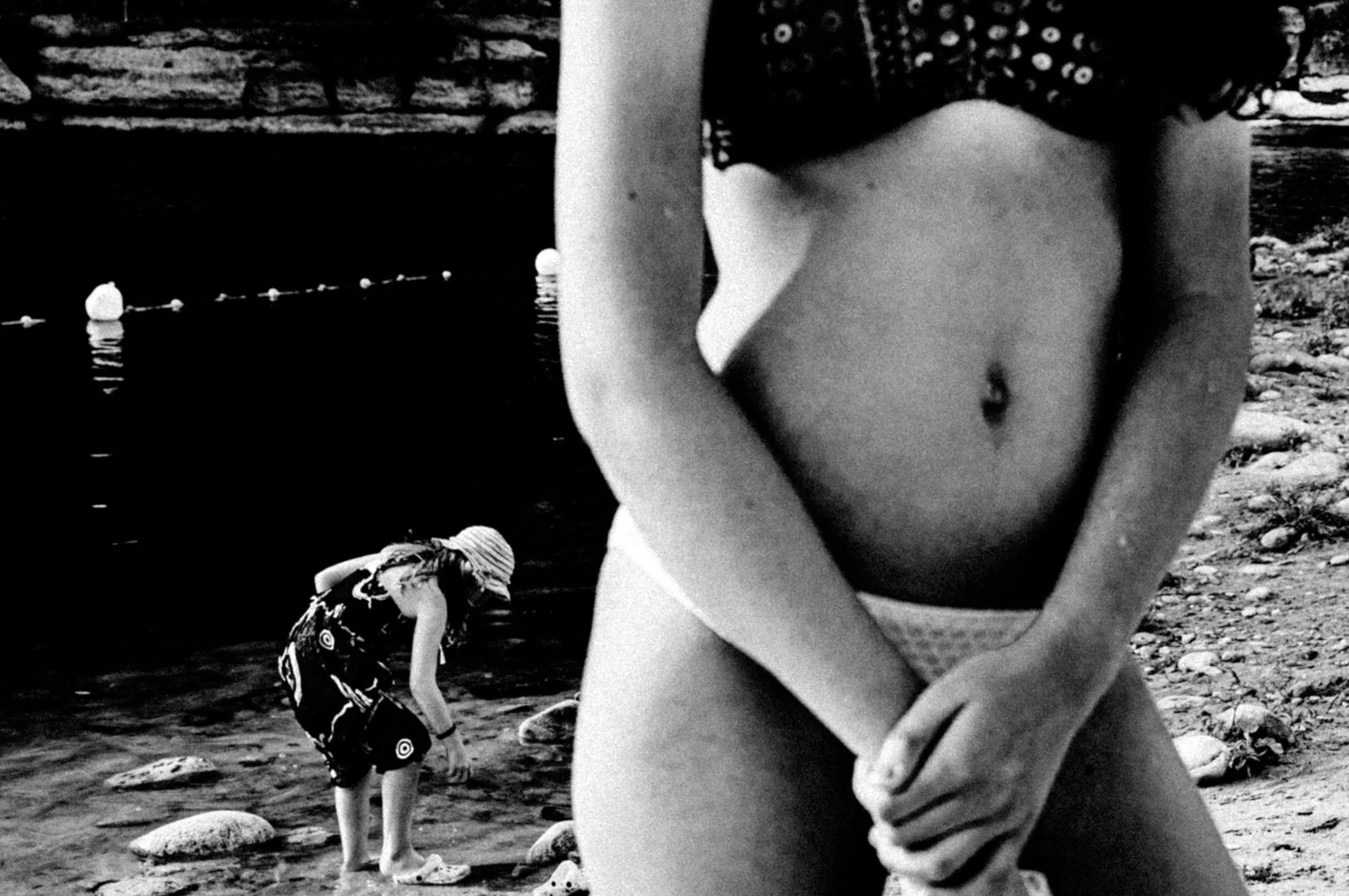
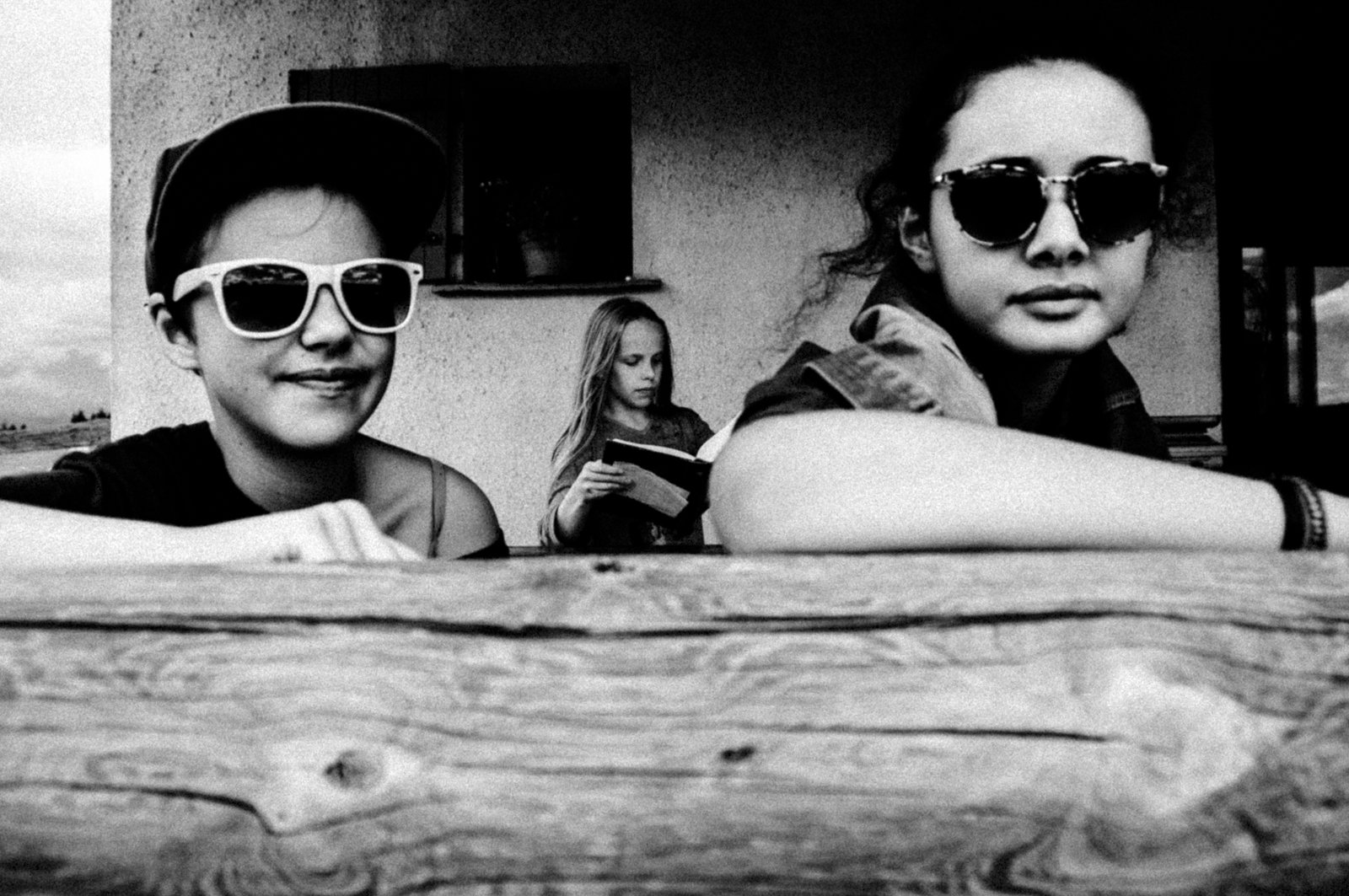
Metamorphosis documents the passage from childhood to adolescence as both an intimate and universal transformation, at a time when generational and social reference points are profoundly shifting.
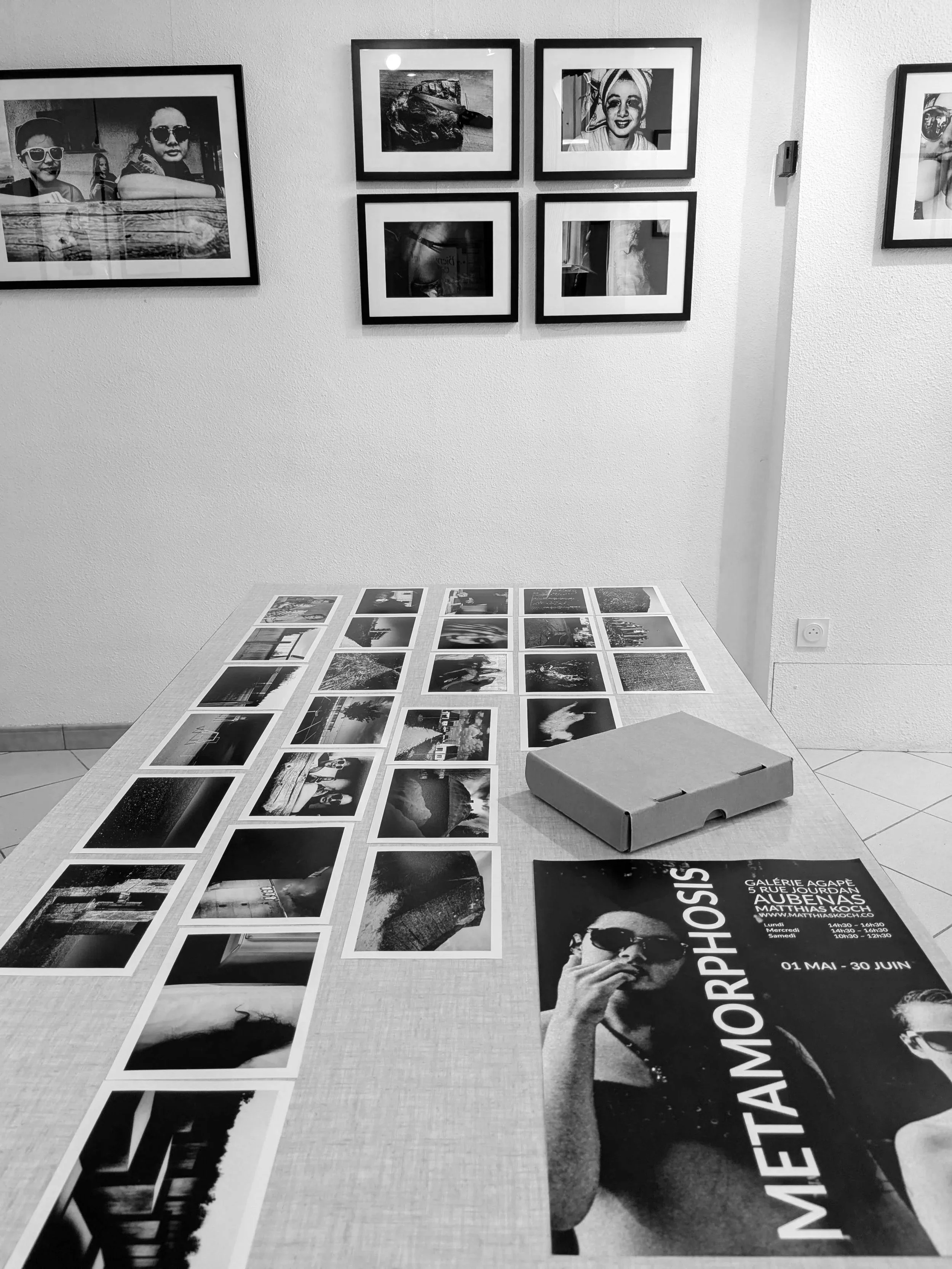
Prints available • Contact for exhibitions and acquisitions. • Published in The Eye of Photography 2024
Prints & exhibition copies Available as limited editions: 40 × 50 cm and 60 × 80 cm. Piezography carbon inks on Hahnemühle Photo Rag 308g. Signed and numbered. Exhibition loans available on request. → matthias.koch@pm.me
She was six when I began. She was twenty-four when I understood what I had done.
Metamorphosis was never conceived as a series. There was no project, no concept, no intention to document anything. There was a child — my child — and a camera that was always nearby, because it always is. I photographed the way one breathes: without deciding to, without knowing why it mattered.
For eighteen years, images accumulated. A face half-hidden behind a curtain. Hands too large for the body they belonged to. A gaze that one morning had changed and would never change back. I was not making portraits. I was failing to hold something that was already leaving.
A father with a camera is not a photographer. Or rather: he is a photographer who has lost the safety of distance. Every image is a negotiation between the one who looks and the one who loves — between the discipline of framing and the vertigo of watching a person become someone else, year after year, in front of you. I could not step back far enough to see what I was doing. That is precisely what makes these images what they are.
It was only afterwards — going through the archives — that the series revealed itself. Not as a decision, but as an evidence. The images had organized themselves into a sequence I had not planned: a passage. From one body to another. From one way of inhabiting the world to another. From the unselfconsciousness of childhood, where every gesture is complete, through the guarded vigilance of adolescence, where the face learns to compose itself for others, to the stillness of a young woman who has arrived somewhere I cannot follow.
What strikes me now, looking at these images together, is how much they are about disappearance. Not death — transformation. The child does not die. She becomes. But the one she was is gone, irretrievably, and the photographs are the only proof that she existed. Every parent knows this. Few are forced to confront it as precisely as a photographer, for whom each image is both a rescue and a record of loss.
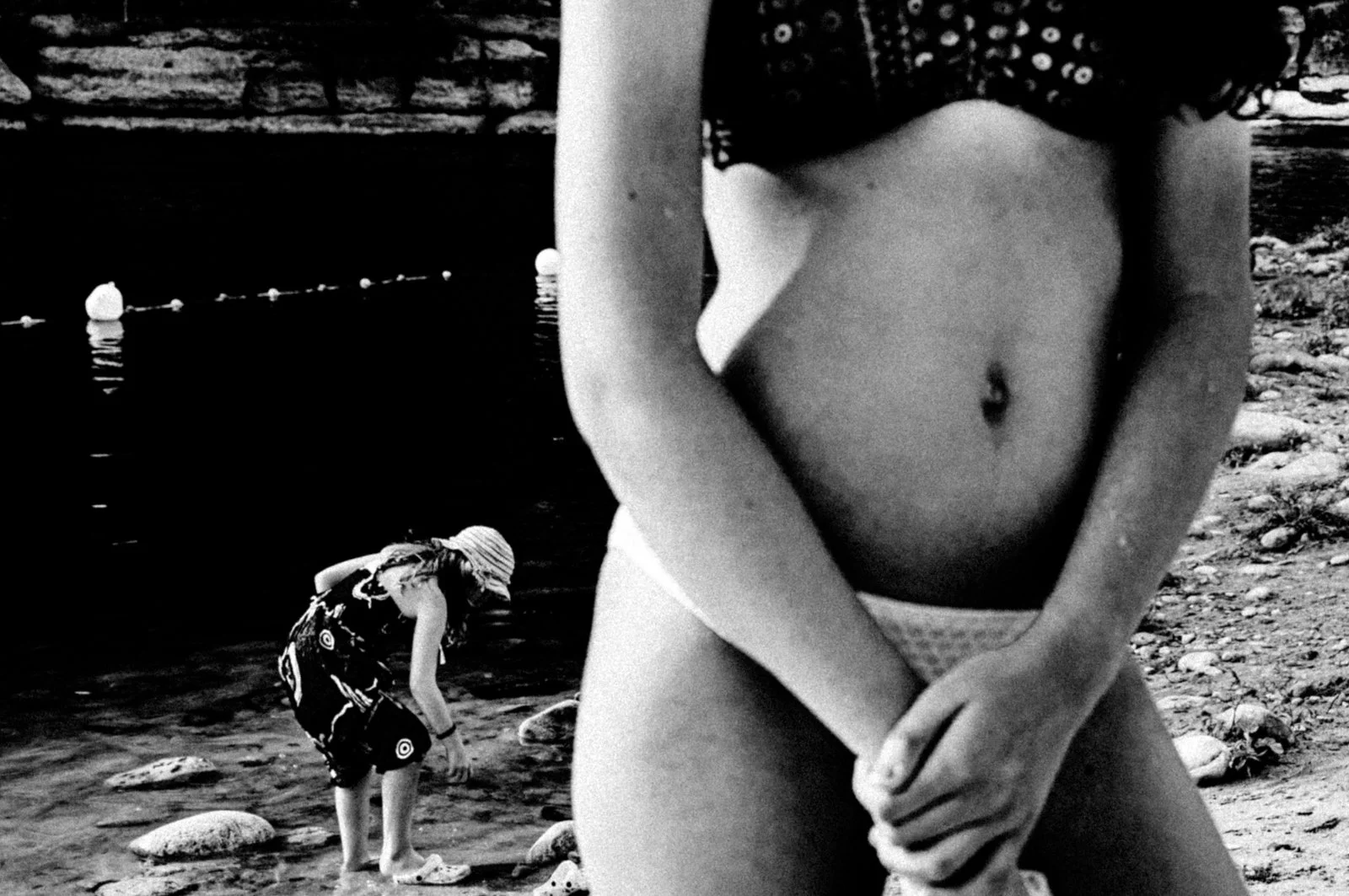
The black-and-white strips these moments of their anecdotal warmth. In colour, they would be family photos — tender, private, forgettable. In black-and-white, they become something else: figures of time at work. The grain of skin, the weight of a sleeping head, the architecture of a hand — abstracted from the particular, they begin to speak of what every body undergoes, not just this one. The particular child becomes, without ceasing to be herself, an allegory of passage.
I am aware of the risks. The intimacy of the subject. The suspicion of sentimentality. The question of consent — what does it mean to photograph someone who cannot yet decide whether to be seen? I have no comfortable answer. What I know is that these images were made in love, not in observation, and that the young woman she has become has seen them, has recognized herself in them, and has allowed them to exist in the world. That permission is the foundation of the series.
Metamorphosis is the only body of work I have that does not deal with history, landscape, or political inheritance. And yet it belongs to the same practice. Because what runs beneath all my work is the question of transmission — what passes from one generation to the next, what survives the passage, what is lost in it. In Todtnauberg, I photograph what my grandfather left behind. In Metamorphosis, I photograph what I am leaving: not ideas, not guilt, not landscapes — a person. The most radical form of transmission there is.
She was six. She is twenty-four. She is someone I partly made and do not own. The photographs are the gap between those two facts.